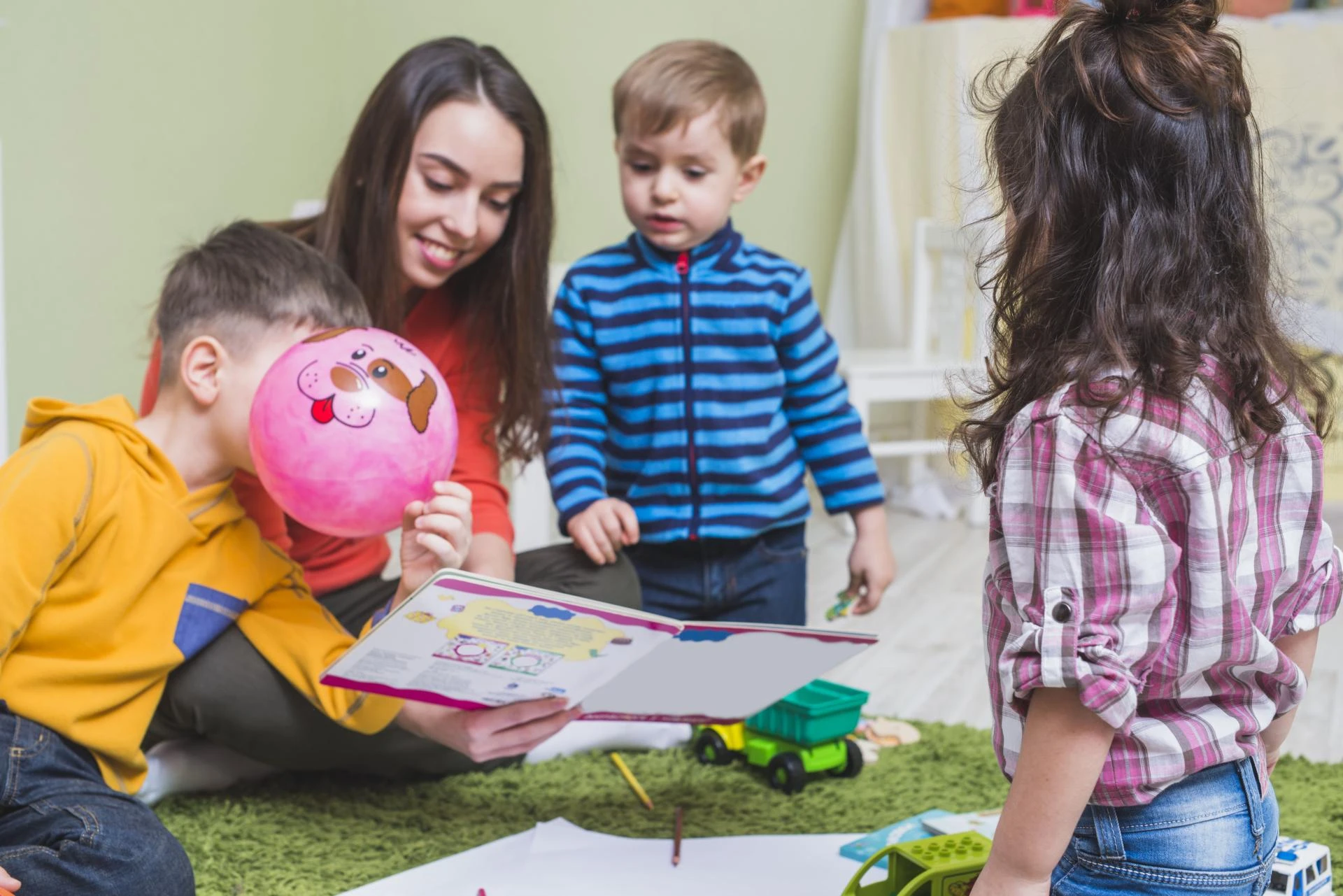
Preschool is one of the most essential stages in a child's development. Between the ages of three and five, children experience fast brain development, laying the groundwork for future learning, confidence, and social skills. A good preschool program does more than just teach letters and numbers; it also develops the whole child. In case you’re looking for the best preschool in englewood - choose Ability School.
Here's a closer look at the main skills that children develop before the age of five, and why preschool is so important in developing lifelong learners.
- Early Social and Emotional Skills
Preschool is often a child's first formal social encounter outside of the family. Here, they learn to share, take turns, express their emotions, and form friendships. Interacting with children from diverse backgrounds promotes empathy, cooperation, and respect for others. These early social skills are important because they influence how children approach obstacles, communicate, and form relationships later in life.
- Language and Communication Development
Before the age of five, children make significant advances in their language skills, and preschool helps to support this development. Children develop their sentence construction and gain new vocabulary through storytelling, singing, conversations, and guided play. They also learn to listen carefully, follow directions, and express themselves more clearly. These communication skills provide a solid basis for future literacy and academic achievement.
- Early Literacy and Numeracy Foundations
Preschool introduces important academic concepts in age-appropriate, engaging ways. Children learn to recognize letters, comprehend phonics, identify numbers, and investigate basic math concepts such as counting and patterns. These early encounters simplify the transition to kindergarten and give youngsters confidence when formal learning begins. Activities that are taught through play feel natural and fun, which encourages curiosity and involvement.
- Motor Skills and Physical Development
Physical development is equally vital to a child's cognitive development. Preschool activities such as sketching, cutting, building blocks, running, and playing on the playground improve both fine and gross motor skills. Fine motor abilities prepare children for writing and everyday tasks such as buttoning garments, whereas gross motor skills promote balance, coordination, and body awareness. These qualities contribute to total physical confidence and independence.
- Problem-Solving and Thinking Skills
Children are inherently interested, and preschool fosters this curiosity through meaningful learning. Puzzles, sensory play, science activities, and pretend play help children learn to solve issues, think creatively, and make decisions. Teachers encourage students to ask questions, try multiple answers, and develop resilience when faced with a difficult assignment. These critical thinking abilities are the foundation for lifelong learning.
- Independence and Responsibility
Preschool gently teaches youngsters how to care for themselves and their environment. Simple routines, such as packing their bags, tidying up after activities, washing their hands, or selecting their supplies, help kids develop independence and responsibility. These simple behaviors instill confidence in children, making them feel capable and pleased of their accomplishments.
- Emotional Readiness for School
Beyond academics, preschool helps children prepare emotionally for the rigidity of school life. They learn to stick to routines, cope with separation from their parents, adapt to new settings, and comprehend basic classroom behavior. This emotional stability makes the transition to kindergarten easier and less stressful for both children and parents.
Conclusion
The preschool years are a great period of development. Children absorb knowledge quickly, explore their surroundings with curiosity, and develop the fundamental abilities they will need for the rest of their lives. A loving preschool environment promotes emotional, social, physical, and intellectual development, resulting in confident, happy students prepared for school and beyond. Ability School - top preschool and Englewood middle schools offers the most effective curriculum for your child’s development.
Key Takeaways
- Preschool has a significant impact on a child's social, emotional, physical, and cognitive development before the age of five.
- Children learn important social skills including sharing, cooperation, empathy, and communication through daily encounters.
- Early exposure to language, reading, and numeracy eases the transition to kindergarten and increases confidence. Play-based activities promote problem-solving skills, creativity, and critical thinking.