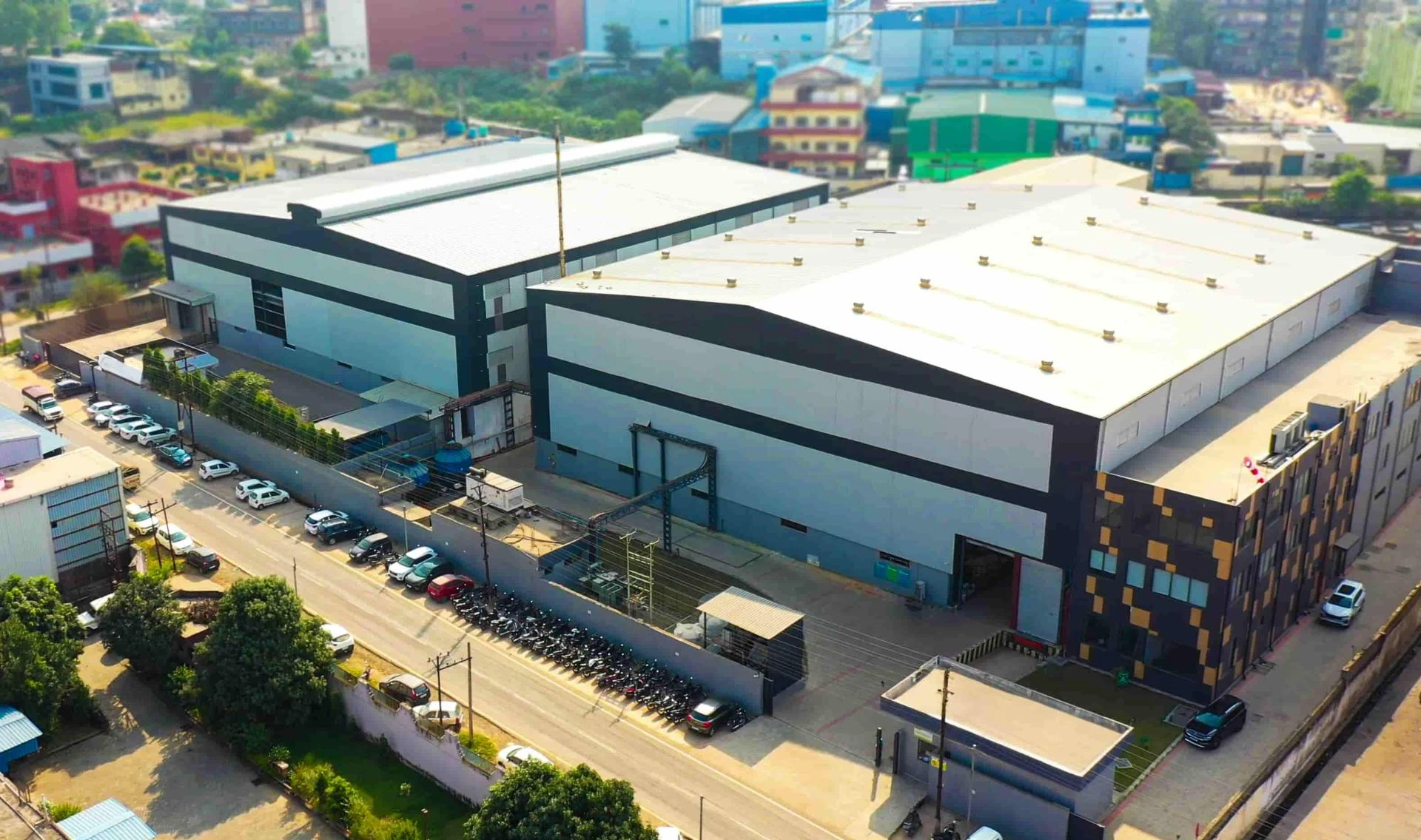
Industrial construction today demands speed, strength, flexibility, and cost efficiency. Traditional construction methods often fall short in meeting tight timelines and evolving operational needs. This is where Pre-Engineered Buildings (PEBs) have emerged as the most reliable and future-ready solution for industrial buildings.
Pre-engineered buildings are factory-fabricated steel structures that are designed, manufactured, and assembled using advanced engineering techniques. Their growing adoption across manufacturing units, warehouses, logistics hubs, and processing plants highlights their unmatched advantages over conventional construction.
1. Faster Construction and Timely Project Delivery
One of the primary reasons PEB structures are ideal for industrial buildings is their significantly reduced construction time. Since components are pre-designed and manufactured in a controlled factory environment, on-site activities are limited mainly to assembly and erection.
This parallel process of fabrication and site preparation ensures:
• Faster project completion
• Minimal delays due to weather conditions
• Reduced dependency on on-site labor
For industries where time directly impacts profitability, this speed offers a major competitive advantage.
2. Cost-Effective Industrial Construction
Pre-engineered buildings optimize material usage through precise structural design, resulting in lower steel consumption without compromising strength. This directly reduces overall project costs.
Cost benefits include:
• Reduced material wastage
• Lower foundation costs due to lighter structural weight
• Minimal maintenance over the building’s lifecycle
• Predictable budgeting with fewer cost overruns
These factors make PEB construction a financially sound choice for industrial infrastructure.
3. High Structural Strength and Durability
Industrial buildings must withstand heavy loads, machinery vibrations, and harsh environmental conditions. Pre-engineered steel buildings are designed to meet stringent structural and safety standards.
Key durability features include:
• High load-bearing capacity
• Resistance to seismic forces and high wind speeds
• Corrosion protection through advanced coatings
• Long service life with minimal repairs
This makes PEB structures ideal for long-term industrial use.
4. Large Clear Spans and Design Flexibility
Industrial operations require large, unobstructed spaces for smooth workflow and efficient machinery placement. Pre-engineered buildings provide wide clear spans without intermediate columns.
Design flexibility allows:
• Easy installation of cranes and heavy equipment
• Customized layouts based on production requirements
• Seamless future expansion without structural disruption
This adaptability supports business growth and operational efficiency.
5. Energy Efficiency and Sustainability
Modern industrial buildings must meet sustainability and energy efficiency goals. Pre-engineered buildings support eco-friendly construction through optimized design and compatibility with insulation systems.
Benefits include:
• Reduced heat gain with insulated roofing and wall panels
• Lower energy consumption for cooling and lighting
• Reduced carbon footprint due to efficient material use
These features help industries comply with green building standards while lowering operational costs.
6. Quality Control and Precision Engineering
Unlike conventional construction, PEB components are manufactured in controlled factory conditions using advanced machinery. This ensures consistent quality, dimensional accuracy, and superior finishing.
Advantages include:
• Minimal on-site errors
• Improved safety standards
• Uniform quality across the structure
Precision engineering ensures reliability and performance throughout the building’s lifecycle.
7. Low Maintenance and Long-Term Value
Pre-engineered steel buildings require minimal maintenance compared to RCC or conventional structures. Protective coatings and high-quality steel reduce wear and tear over time.
This results in:
• Lower maintenance costs
• Reduced downtime for repairs
• Higher return on investment
For industrial owners, this translates into long-term operational savings.
Conclusion
Pre-engineered buildings have redefined industrial construction by offering speed, strength, flexibility, and cost efficiency in a single solution. Their ability to adapt to diverse industrial requirements while ensuring durability and sustainability makes them the preferred choice for modern industrial buildings.
From factories and warehouses to logistics centers and manufacturing plants, PEB structures provide a future-ready construction solution that supports industrial growth and operational excellence.