
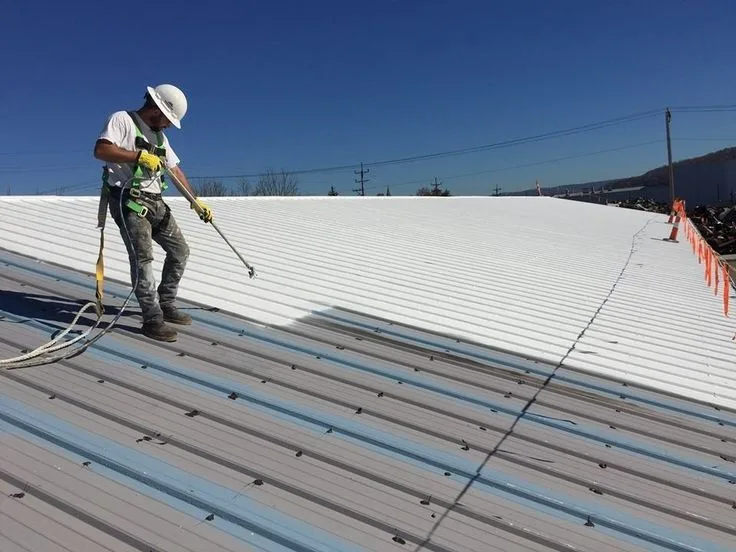
Pole barns lose heat because their large metal surfaces lack a thermal break. Gaps in the building envelope allow air to move freely, which leads to drafts and wasted energy. Spray foam stops this by sealing every crack and void in the walls and roof. This creates a solid barrier that keeps internal temperatures steady throughout the year.
The information provided below comes from years of field observation and industry work. It aims to help owners understand why traditional methods fail and how modern sealing options provide better results. By focusing on proper air barriers, Professional Pole Barn Insulation helps owners maintain comfortable indoor spaces while keeping their energy costs low.

Common Heat Loss Issues in Pole Barns
Pole barns are large structures, and their size makes them prone to heat gain in summer and heat loss in winter. Metal walls and roofs conduct heat very well. Without a proper seal, cold air leaks inside, and warm air escapes outside.
Why Metal Structures Struggle
Metal is a high conductor of energy. When the sun hits the roof, the heat moves directly into the barn. During winter, the cold metal pulls heat from the inside air. Most pole barns use minimal framing, which leaves large cavities that are hard to fill with traditional batts.
Problems with Standard Insulation
Many people choose traditional materials like fiberglass or mineral wool insulation services because they are cheap. These materials often sag over time. When they sag, they leave gaps that allow air to move through the wall. This air movement ruins the ability of the building to hold a steady temperature.
The Role of Spray Foam in Thermal Control
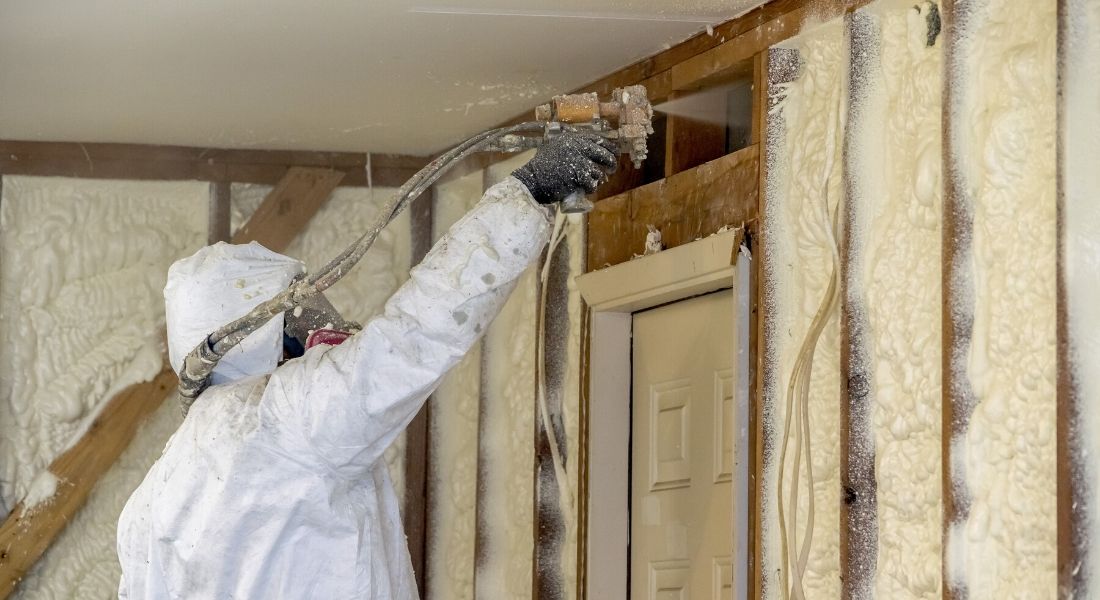
Spray foam is a liquid that expands into a solid. It sticks to metal, wood, and concrete. Because it fills every corner, it creates a tight seal that stops drafts completely. This is why many people hire a professional spray foam insulation contractor to handle their building needs.
Comparing Insulation Options

Understanding the R-Value
The R-value measures how well a material stops heat flow. Spray foam has one of the highest R-values per inch of any material available today. This means owners can use less material to get better results. It keeps the building warm in winter and cool during the heat of summer.
Things to Consider Before Making a Decision
Before choosing a product, look at the specific needs of the building. Think about how the barn is used. A storage shed needs less protection than a workspace or a living area. Check for any leaks in the roof before installing any new material.
Assessing Moisture Risks
Metal buildings sweat when the temperature outside changes. If moisture gets trapped behind insulation, it can lead to rust on the metal poles and rot on the wood framing. Spray foam acts as a vapor barrier, which prevents moisture from reaching the framing members.
Hiring the Right Team
When searching for a local insulation company, focus on their experience with metal structures. A qualified insulation expert knows how to prepare the surface so the foam sticks properly. Ask them about their safety training and the types of equipment they use for large pole barns.
Why Experience Matters
Metal surfaces must be clean and dry. An inexperienced contractor might skip the cleaning step. This leads to the foam peeling away after a few months. Always ask for references to ensure the work is done to a high standard.
Bonus Tips for Efficiency
- Always seal the gaps around doors and windows first, as these are the biggest sources of air leaks.
- Consider installing a ventilation system to manage indoor air quality if the building is sealed tightly.
- Use light-colored paint on the exterior roof to reflect sunlight and lower cooling needs.
- Humidity Control
- High humidity makes it feel colder in winter and hotter in summer. By sealing the gaps, spray foam helps keep internal humidity levels stable, which protects equipment and stored items.
Questions People Ask About Insulation
Does spray foam add strength to a pole barn?
Yes, closed-cell spray foam creates a rigid bond that adds racking strength to the wall sections.
Can I install spray foam over old insulation?
It is usually better to remove old, damaged material first to ensure the foam bonds directly to the metal or wood.
How long does spray foam last in a pole barn?
When applied correctly by an experienced insulation company, the foam will last for the life of the building.
Is spray foam better than mineral wool insulation services?
Spray foam is better for air sealing, while mineral wool insulation experts may recommend their product for sound dampening and fire resistance.
Will spray foam cause the metal to rust?
No, when applied correctly, it prevents condensation, which is the main cause of rust in metal buildings.
Final Thoughts on Pole Barn Comfort
Managing heat loss in a pole barn requires a focus on airtight construction. Traditional batts often fail because they do not stop air movement, while spray foam provides a barrier that blocks both air and heat. Owners should evaluate their budget and the planned use of the building before deciding on a material. Proper installation is the most important step for long-term results.
Contacting Professional Support
For those looking to improve their pole barn, contacting a qualified insulation contractor is the best next step. Spray Foam Tech specializes in these types of projects and can provide the guidance needed to make an informed choice. Interested parties can reach out to them via email at [email protected] or call (737) 777-9590 to discuss specific building needs and get professional advice for their property.
Reviewer: Maria Lopez reviewed the article and brought 12 years of insulation industry experience to improve the guidance. Practical tips were added, and the content was made clearer and more useful for contractors working in the field every day.