
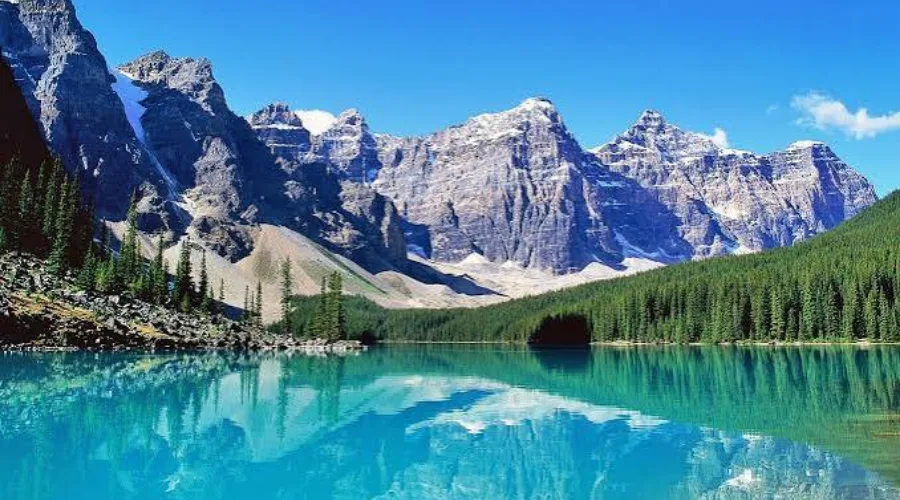
India is a country where a single train ride can take you from snow-capped mountains to sun-drenched beaches, and from ancient temple towns to buzzing metro cities. This diversity is exactly what makes travel planning here so exciting — and so overwhelming. Between choosing destinations, comparing transport options, finding reliable stays, and working within a budget, most travelers end up spending more time planning than actually looking forward to the trip.
This is where professional help changes the entire experience.
The Challenge of DIY Trip Planning
More travelers today are trying to plan their own trips using scattered information from blogs, videos, and social media. While this approach can work for a simple weekend getaway, it starts falling apart when the itinerary involves multiple cities, connecting transport, seasonal weather concerns, or destinations with limited tourist infrastructure. A missed detail — like a mountain pass closing early for winter, or a local festival that shuts down markets for two days — can derail an entire holiday.
Independent research also rarely accounts for real-time changes. Prices fluctuate, accommodation availability shifts, and government travel advisories or permit rules can change without much public notice. Without someone actively tracking these details, travelers are often caught off guard mid-trip.
What a Good Travel Agency Actually Offers?
A dependable travel agency isn't just a booking service — it functions more like a planning partner. Good agencies bring three things that are hard to replicate on your own:
- Local knowledge: Understanding which routes are scenic versus practical, which season suits which region, and which local operators are trustworthy.
- Negotiated value: Access to better rates on hotels, vehicles, and group packages due to existing relationships with vendors.
- Problem-solving on the ground: If a flight gets delayed or a hotel booking falls through, having a support contact can resolve issues in minutes rather than hours.
This is particularly valuable for destinations with more logistical complexity — high-altitude regions, remote valleys, or pilgrimage circuits that require permits, altitude acclimatization schedules, or specific vehicle types.
Matching the Trip to the Right Expertise
Not every getaway needs elaborate planning. A short city break might only need a hotel booking and a list of restaurant recommendations. But treks, pilgrimage tours, honeymoon circuits, or multi-state road trips benefit enormously from structured planning — daily distance calculations, buffer days for weather, and pre-arranged permits where required.
Families traveling with elderly members or young children have different needs too: shorter daily travel times, accessible accommodation, and flexibility built into the schedule. A knowledgeable planner adjusts the itinerary around these realities instead of offering a one-size-fits-all package.
Questions Worth Asking Before You Book
Whether you're booking directly or through an agency, a few questions help filter out unreliable services:
- Is the itinerary customizable, or is it a fixed template?
- What exactly is included — meals, permits, guide fees, or just transport and stay?
- Is there a support contact available during the trip itself, not just before booking?
- Are cancellation and rescheduling policies clearly stated upfront?
Agencies that answer these clearly, without vague language, tend to be far more reliable once you're actually on the road.
Why Working With Local Experts Makes a Difference
India's travel landscape changes by region — what works in Rajasthan's desert circuit doesn't apply to a Northeast India itinerary, and Himalayan travel planning is a different skill set altogether from coastal or backwater tourism. A single travel agent in india with experience across multiple regions can adapt planning strategies instead of forcing every trip into the same format.
This regional flexibility is often the biggest difference between a forgettable holiday and one that goes smoothly from start to finish. It also matters when unexpected situations come up mid-trip — local expertise usually means faster alternatives when a planned activity or route isn't possible.
Planning Ahead for Peak Seasons
Many popular Indian destinations have narrow travel windows — hill stations before monsoon, deserts before peak summer heat, and pilgrimage routes before winter snow closures. Booking early during these windows isn't just about better pricing; it's often the only way to secure accommodation and transport at all, since demand spikes sharply as the ideal travel dates approach.
Final Thoughts
Travel in India rewards preparation. The country's scale and diversity mean that good planning directly translates into a smoother, more enjoyable trip — while poor planning can turn an exciting holiday into a stressful one. Whether you're organizing a short getaway or a longer multi-city journey, having reliable, experienced support behind the scenes makes the difference between simply visiting a place and genuinely experiencing it.