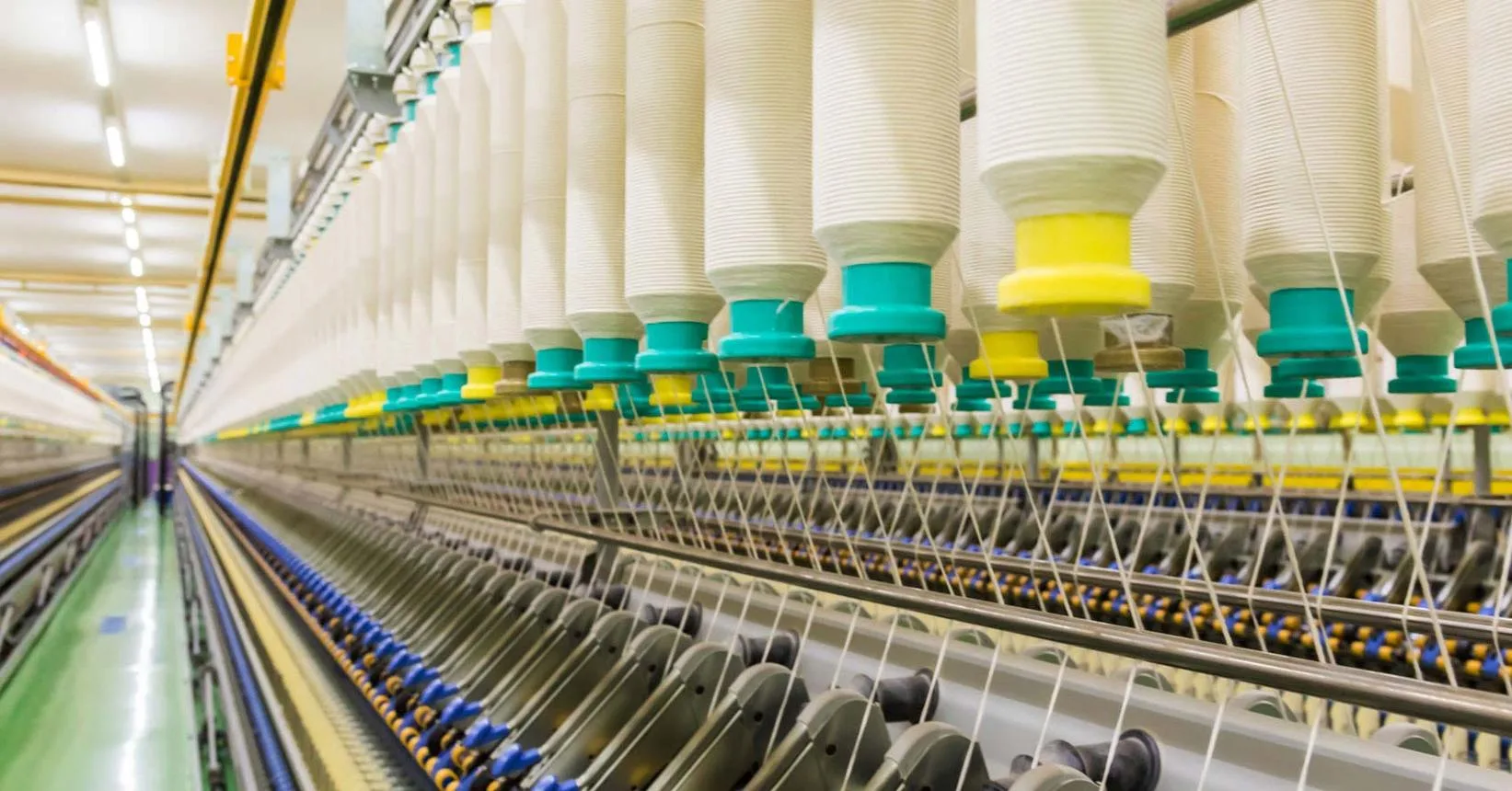
The textile industry is changing as businesses look for better materials, improved product quality, and more responsible manufacturing practices. From clothing brands to fabric manufacturers, many businesses are exploring organic fibres as an alternative to conventional textile materials. One area receiving growing attention is organic yarn manufacturing.
Organic yarn, particularly organic cotton yarn, is used in textile applications where natural fibre properties, comfort, and responsible sourcing are important. This growing interest is creating new opportunities for textile manufacturers, suppliers, and buyers across the industry.
What Makes Organic Yarn Different?
Organic yarn is generally made from fibres cultivated under recognised organic farming standards. Organic cotton is one of the most widely used natural fibres for producing organic yarn.
Unlike conventional cotton farming, certified organic farming restricts the use of synthetic pesticides and fertilisers according to applicable standards. This makes fibre sourcing an important consideration for businesses interested in organic textile production.
Organic cotton yarn is valued for its softness, breathability, and versatility. Depending on its specifications and construction, it can be used to manufacture different types of fabrics and textile products.
Why Are Textile Businesses Exploring Organic Yarn?
The demand for sustainable textile materials is encouraging manufacturers to explore alternative raw materials. Here are some important reasons behind the growing interest in organic yarn.
1. Growing Interest in Sustainable Fashion
Fashion brands are increasingly exploring materials that align with their sustainability goals. Organic cotton yarn can be a suitable option for businesses developing collections focused on responsible sourcing.
2. Comfort and Fabric Applications
Cotton fibres are known for their softness and breathability. Organic cotton yarn can be used in products such as T-shirts, casual wear, baby clothing, and knitted fabrics.
3. Changing Buyer Expectations
Today's textile buyers often want to understand where raw materials come from and how products are manufactured. Better information about fibre sourcing can help businesses make informed purchasing decisions.
4. Opportunities for Textile Manufacturers
The growing interest in organic materials creates opportunities for spinning mills, fabric manufacturers, garment producers, and textile exporters to explore new product categories.
Where Is Organic Cotton Yarn Used?
Organic cotton yarn has applications across several textile segments, including:
- Apparel: T-shirts, shirts, casual wear, and everyday clothing.
- Babywear: Garments where softness and comfort are important.
- Knitwear: Knitted fabrics, tops, and other clothing products.
- Home Textiles: Selected towels, bedsheets, and household fabric products.
- Sustainable Fashion: Textile collections developed using organically sourced fibres.
The final application depends on yarn count, fibre quality, spinning method, and the requirements of the fabric manufacturer.
How to Select the Right Organic Yarn Manufacturer?
Finding a dependable manufacturing partner is an important step for textile businesses. Price alone should not determine the selection process. Buyers should also consider the manufacturer's production capabilities and quality practices.
Here are five important points to check before selecting an organic yarn supplier:
1. Raw Material Information
Understand the origin of the cotton and check whether the supplier can provide appropriate organic certification and traceability documents where required.
2. Yarn Specifications
Check yarn count, composition, construction, and other technical specifications according to your fabric requirements.
3. Quality Consistency
Consistent yarn quality is important for maintaining smooth fabric production and reducing manufacturing issues.
4. Manufacturing Capabilities
Understand the supplier's production capacity, available yarn varieties, and ability to meet bulk requirements.
5. Communication and Supply
Clear communication, order coordination, and reliable delivery planning help build long-term business relationships.
Madhav Texspin: Exploring Organic Yarn Manufacturing in India
India has an established textile manufacturing industry, with spinning mills and yarn suppliers serving domestic and international markets.
Madhav Texspin Pvt. Ltd., based in Rajkot, Gujarat, is involved in cotton yarn manufacturing and organic yarn solutions for textile applications. The company focuses on serving the requirements of businesses involved in knitting and weaving.
For textile buyers searching for an Organic Yarn Manufacturer in India, understanding product specifications, manufacturing capabilities, and sourcing requirements is an important part of selecting the right supplier.
Explore Madhav Texspin's organic yarn products and manufacturing information here:
Organic Yarn Manufacturer in India – Madhav Texspin
What Is the Future of Organic Yarn Manufacturing?
The future of organic yarn manufacturing will depend on several factors, including raw material availability, certification standards, production technology, and demand from textile buyers.
Manufacturers that focus on transparent sourcing, consistent quality, and changing market requirements can create better opportunities in this developing segment.
For textile businesses, exploring organic yarn is not simply about following a trend. It is about understanding material choices and identifying products that match their customers' expectations.
Final Thoughts
Organic yarn is creating new possibilities for the textile industry, from sustainable fashion to everyday fabric production. However, selecting the right yarn requires careful attention to fibre sourcing, technical specifications, and manufacturing quality.
Working with a reliable Organic Yarn Manufacturer can help textile businesses make informed sourcing decisions and develop products that meet their market requirements.