The Rising Tide: Setting the Scene for Mortgage Rate Surges
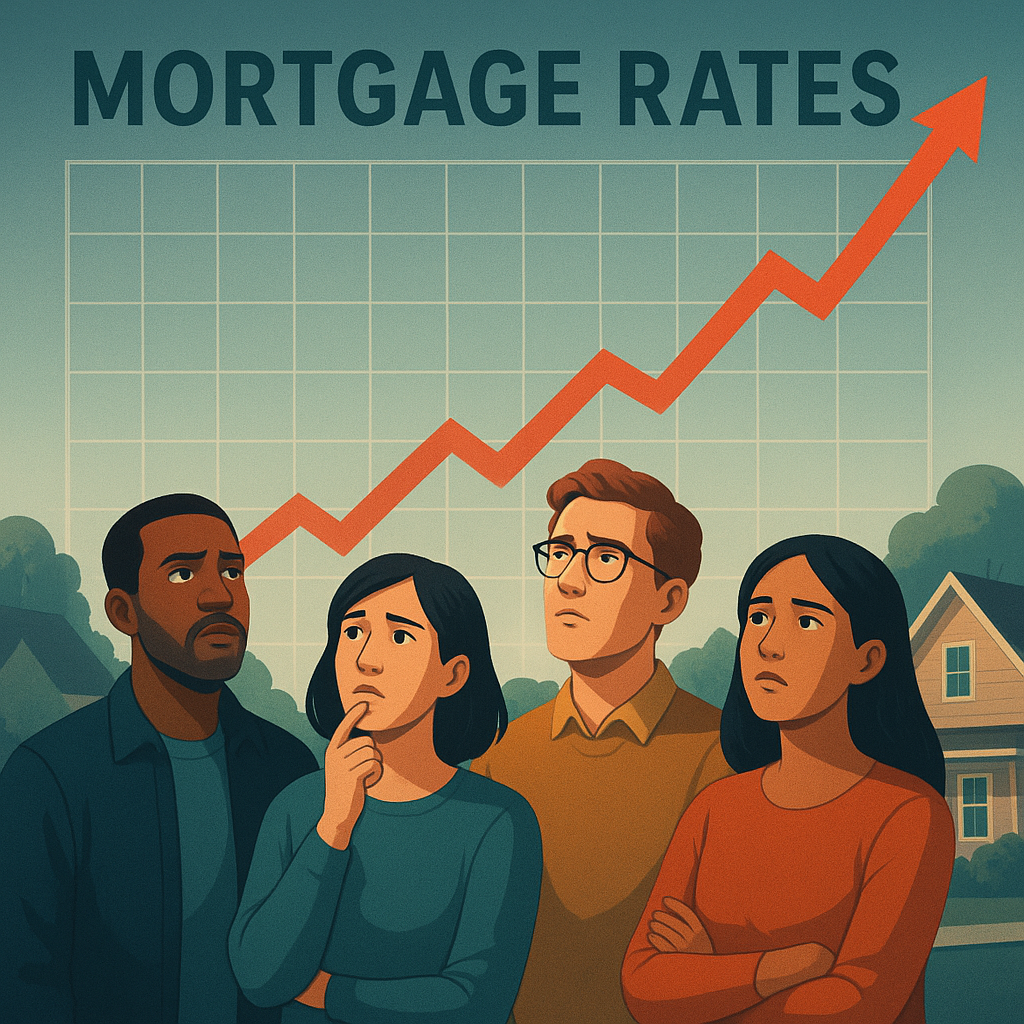
In the summer of 2026, a quiet but significant shift has taken shape in the housing market: mortgage rates have surged beyond many analysts’ expectations, rattling prospective homebuyers and reshaping financing strategies nationwide. Just six months ago, the average 30-year fixed mortgage hovered around 6.5%, but recent Federal Reserve communications and global economic shifts have pushed averages closer to 7.3%, with some lenders quoting upwards of 7.5% for prime borrowers. This rise, subtle yet impactful, is stirring conversations among economists, real estate professionals, and consumers alike.
The backdrop of this surge is not simply a reaction to domestic monetary policy; it is a complex interplay of inflation control measures, geopolitical uncertainties, and shifts in global capital flows. For millions, the increase translates into thousands of dollars more in interest payments over the life of a loan, altering affordability calculations and the appetite for homeownership.
Consider the experience of Sarah Mendoza, a first-time buyer in Austin, Texas. She had budgeted for a mortgage rate of 6.4% but was offered 7.2% at application. "It was a huge shock," she said. "The monthly payment jumped by nearly $200, which forced me to rethink whether I could actually afford my dream home." Stories like Sarah’s have become increasingly common, underscoring the tangible human impact behind the numbers.
Tracing the Origins: How We Arrived at Today’s Mortgage Landscape
The roots of the current mortgage rate environment extend back to the early 2020s, a period marked by extraordinary economic volatility. The COVID-19 pandemic initially prompted historic lows in interest rates as the Federal Reserve slashed benchmark rates to near zero to stimulate recovery. Mortgage rates dipped below 3% for an extended period, fueling a housing boom and record-breaking home price appreciation.
However, by 2023, inflationary pressures began to mount, fueled by supply chain disruptions, labor market tightness, and expansive fiscal policies. The Federal Reserve responded with a series of aggressive rate hikes unprecedented in pace. By late 2024, the federal funds rate had climbed above 5%, a level not seen since the early 2000s.
This tightening cycle directly influenced mortgage rates, which, although not pegged to the federal funds rate, tend to move in tandem with long-term Treasury yields. The 10-year Treasury yield, a key benchmark for fixed-rate mortgages, rose from around 2% in 2021 to above 4.5% by 2025. The bond market's adjustment reflected expectations of sustained inflation and economic uncertainty, pushing mortgage lenders to increase rates accordingly to safeguard profit margins and offset borrowing costs.
Additionally, the mortgage market itself has undergone structural changes. The role of government-sponsored enterprises (GSEs) like Fannie Mae and Freddie Mac, historically instrumental in stabilizing mortgage liquidity, has evolved due to regulatory reforms and changes in risk appetite among private investors. This shift has introduced greater rate volatility and lender caution, further complicating the borrowing environment.
Analyzing the Data: What 2026 Mortgage Rate Trends Reveal
Data from the Mortgage Bankers Association and industry analytics firms reveal a multifaceted picture. Average mortgage rates in mid-2026 stand at roughly 7.1% for 30-year fixed loans, 6.5% for 15-year fixed, and 6.8% for 5/1 adjustable-rate mortgages (ARMs). These figures represent a 0.6–0.8 percentage point increase year-over-year.
Several factors contribute to this upward trajectory:
- Inflation Expectations: Core inflation remains stubbornly above the Fed’s 2% target, driving sustained monetary tightening.
- Global Economic Volatility: Tensions in Eastern Europe and Asia have unsettled markets, causing investors to demand higher yields.
- Federal Reserve Policy: The Fed’s forward guidance indicates no imminent rate cuts, signaling continued pressure on borrowing costs.
- Housing Market Dynamics: Despite higher rates, housing demand is resilient in key metros, supporting lender confidence.
Comparing these data points regionally highlights disparities. Coastal urban centers such as San Francisco and New York have seen mortgage rates average 0.2 percentage points higher than the national mean, reflecting local market conditions and lender risk assessments. Conversely, some interior regions like the Midwest enjoy slightly lower rates due to less volatile housing markets.
Another critical dimension is borrower profile. According to Freddie Mac’s latest report, borrowers with credit scores above 760 are securing rates approximately 0.3 percentage points lower than those with scores in the 700–740 range, emphasizing the premium lenders place on creditworthiness amid tighter conditions.
“Mortgage rates are no longer just a function of central bank policy—they are increasingly shaped by global risk sentiment and lender risk calculations,” says Dr. Emma Reinhart, chief economist at MarketPulse Analytics.
Current Developments in 2026: Innovations and Market Responses
The mortgage industry in 2026 is adapting rapidly to the rate environment through technological innovation and new product offerings. Digital mortgage platforms powered by AI and blockchain have accelerated loan processing times and improved underwriting accuracy, enabling lenders to manage risk more efficiently despite rising rates.
One notable trend is the growing popularity of hybrid adjustable-rate mortgages (ARMs) with initial fixed periods of 7 or 10 years, offering borrowers a lower initial rate with some protection against future hikes. Lenders such as QuantaBank and HomeTrust have expanded their ARM portfolios by 15% in the first half of 2026, reflecting shifting consumer preferences.
Additionally, mortgage brokers and fintech firms are leveraging big data analytics to tailor loan products and pricing. This personalization aims to capture a broader range of borrowers, including those previously underserved due to traditional credit models.
Government initiatives have also emerged in response to affordability concerns. Several states have launched down payment assistance programs and mortgage credit certificates, targeting first-time buyers facing hurdles in the high-rate environment.
The commercial mortgage-backed securities (CMBS) market is another area of flux. Investors have grown cautious, demanding higher spreads and stricter covenants, which in turn pressurizes lenders to maintain conservative underwriting standards.
“The mortgage market today is a balancing act between innovation and caution,” comments Linda Chen, CEO of FinHome Lending. “While rates are higher, our ability to customize loans and streamline approvals helps keep the dream of homeownership within reach for many.”
Expert Perspectives: How Mortgage Rate Dynamics Are Shaping the Industry
Industry experts agree that the current mortgage rate climate is a defining moment for real estate finance. According to a recent panel hosted by the National Association of Realtors, the consensus is that rates above 7% are recalibrating buyer behavior and influencing seller pricing strategies.
Mortgage industry veteran Robert Lang highlights the dual-edged nature of the environment: "Higher rates are cooling some overheated markets, which could help stabilize prices and reduce speculative buying. However, they also raise barriers for entry-level buyers, potentially exacerbating wealth inequality."
Financial advisors are advising clients to rethink mortgage structures and timing. The trend toward shorter-term loans and ARMs reflects a growing anticipation that rates may moderate by 2028, but uncertainty remains high.
Real estate developers are also adjusting. Many have delayed new projects, wary that higher financing costs will dampen demand. This slowdown could constrain housing supply further, potentially placing upward pressure on prices despite rate hikes.
Investors and portfolio managers are exploring alternative housing investments, such as build-to-rent communities and co-living spaces, to hedge against traditional homeownership market challenges.
These shifts underscore the importance of staying informed in a market where mortgage rates act as both a lever and a barometer of economic health.
Looking Ahead: What Buyers, Sellers, and Lenders Should Watch
As 2026 progresses, several key factors will influence the trajectory of mortgage rates and their impact on the housing market:
- Federal Reserve Policy Updates: Any indication of rate pauses or cuts will be closely monitored by lenders and borrowers.
- Inflation Trajectories: Persistent inflation above target could maintain upward pressure on rates.
- Housing Supply Responses: New construction and inventory levels will affect price dynamics amid higher borrowing costs.
- Technological Advances: Continued fintech innovation could improve access and reduce costs for select borrower segments.
- Global Economic Stability: Geopolitical events and international capital flows remain wildcards influencing market sentiment.
Prospective buyers are encouraged to consider locking in rates when they align with their financial goals, while sellers may need to recalibrate price expectations in light of the evolving affordability landscape. Lenders, meanwhile, face the challenge of balancing risk management with competitive product offerings.
For a deeper dive into how mortgage rates are transforming purchasing decisions this year, readers can refer to How Mortgage Rates Are Shaping Homebuying Decisions in 2026. For insights on avoiding common pitfalls in understanding mortgage rates, Avoiding Costly Pitfalls: Common Mistakes in Understanding Mortgage Rates offers practical guidance.
Ultimately, mortgage rates in 2026 tell a story of cautious optimism intertwined with economic realities. Navigating this terrain requires a nuanced understanding of both market data and personal financial strategy.