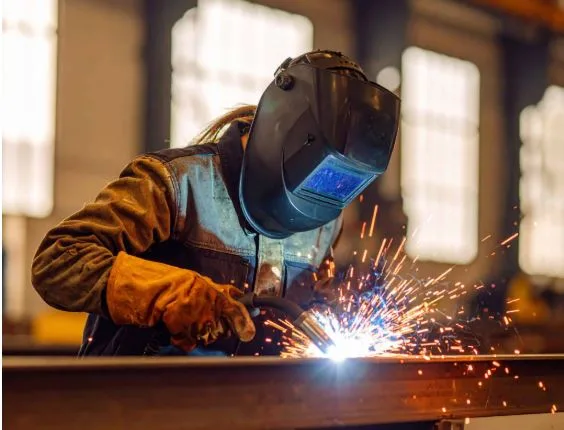
Precision welding is not only about joining two pieces of metal. It is about control, consistency, cleanliness, and confidence in the final result. In industries where a weld must look clean, hold under stress, resist corrosion, meet procedure requirements, or preserve the shape of thin material, TIG welding continues to be one of the most trusted processes. From aerospace training shops and race car fabrication to stainless steel work, aluminum repair, tube welding, custom metal art, marine hardware, farm repair, and high-end fabrication, TIG welding gives skilled operators the ability to control heat, filler metal, puddle movement, arc focus, and weld appearance with exceptional accuracy. This is one reason Miller TIG welders have remained a top choice for precision welding projects. Miller has built a strong reputation by combining reliable arc performance, user-friendly controls, advanced inverter technology, portable designs, and models that serve everyone from students and mobile welders to professional fabrication shops and industrial users.

Understanding Why TIG Welding Demands Better Equipment
TIG welding, also known as gas tungsten arc welding, uses a non-consumable tungsten electrode to create the arc. A shielding gas, usually argon, protects the weld puddle from contamination. Filler metal may be added separately by hand, or the weld can be made without filler when the joint design allows it. Compared with MIG or stick welding, TIG usually requires more operator skill, but it also gives more control over the weld.
That control matters because precision welding often involves difficult conditions, such as:
- Thin stainless steel that can warp if overheated
- Aluminum that needs AC output and oxide-cleaning action
- Chromoly tubing used in motorsports and performance fabrication
- Aerospace and aviation training applications where weld quality is critical
- Food-grade or sanitary stainless work where bead appearance and cleanliness matter
- Marine hardware exposed to corrosion and vibration
- Custom fabrication where the final weld is visible
- Repair work where too much heat can damage surrounding material
A basic welder can sometimes make a metal joint, but precision work demands a machine that gives the welder a stable arc, smooth starts, accurate amperage control, dependable high-frequency starts, pulse options, AC balance and frequency control, and repeatable settings. Miller TIG welders are popular because they are designed around these real-world needs.
Miller’s Strong Position in the TIG Welding Market
Miller is one of the most recognized names in welding equipment, and its TIG lineup covers a broad range of applications. The company offers smaller portable machines, DC TIG units, AC/DC TIG machines, multiprocess welders, and industrial-level TIG power sources. This gives buyers flexibility. A garage fabricator may not need the same machine as an aerospace training lab, and a mobile welder may need different features than a production aluminum shop.
Miller’s TIG category includes product families such as Maxstar, Dynasty, Syncrowave, and Multimatic AC/DC machines. These names matter because each series serves a different welding need. Maxstar models are known for DC TIG and Stick performance in compact packages. Dynasty machines are known for advanced AC/DC TIG capability, portability, and high-end control. Syncrowave machines serve shops that want strong TIG performance, easier setup, and productivity-focused features. Multimatic AC/DC machines appeal to users who want TIG, MIG, flux-cored, and stick capability in one unit.
This variety is one reason Miller remains a strong choice. Instead of forcing every welder into one type of machine, the lineup gives different users a path based on material, budget, portability, duty cycle, input power, and process needs.
Arc Quality: The Main Reason Professionals Stay Loyal
The heart of any TIG welder is arc quality. TIG welding is a process where small differences are easy to feel. A rough start, unstable low-amp arc, wandering arc cone, inconsistent pulse, or poor crater control can affect the final weld. Precision welders often choose a machine because of how it feels under the hood, not just because of the numbers on the spec sheet.
Miller TIG welders have a strong reputation for smooth starts and stable arc control. This is especially important when welding thin material or working near edges. On thin stainless, for example, too much heat can cause discoloration, sugaring, burn-through, or distortion. On aluminum, the welder needs enough cleaning action to break through oxide while still controlling puddle width and heat input. On small tube joints, the arc must stay focused so the weld does not wash too far into surrounding material.
A stable arc helps the welder:
- Start cleanly without contaminating the tungsten
- Keep the puddle controlled at low amperage
- Maintain consistent bead width
- Reduce unnecessary heat input
- Control the weld toe and final appearance
- Work with confidence on thin or expensive material
For precision projects, this is not a small advantage. It directly affects quality, speed, rework, and operator confidence.
Advanced AC/DC Capability for Aluminum and Mixed-Metal Work
One of the strongest reasons many welders choose Miller TIG machines is AC/DC capability. DC TIG is commonly used for steel, stainless steel, chromoly, titanium, and many specialty metals. AC TIG is commonly needed for aluminum and magnesium because alternating current helps manage the oxide layer on aluminum while allowing the weld puddle to form properly.
Miller Dynasty and Syncrowave AC/DC machines are popular among welders who regularly work with aluminum. Aluminum is difficult because it conducts heat quickly, forms oxide rapidly, and can go from cold to overheated in a short time. A machine with strong AC controls gives the welder more command over cleaning action, penetration, puddle shape, and travel speed.
Important AC TIG controls may include:
- AC balance, which helps control cleaning action and penetration
- AC frequency, which can narrow or widen the arc cone
- Waveform options, which can change arc feel and puddle behavior
- Pulse settings, which help manage heat input and puddle timing
- Amperage control, usually through a foot pedal, fingertip control, or torch switch
Miller’s higher-end TIG machines are especially valued because they let advanced welders fine-tune the arc. This is useful for aluminum tanks, intercooler piping, marine parts, bicycle frames, cast aluminum repairs, automotive fabrication, and visible cosmetic welds.
Inverter Technology and Portability
Older transformer-based TIG machines were known for durability, but many were heavy and less convenient to move. Modern inverter technology changed the way welders think about power, portability, and efficiency. Miller has invested heavily in inverter-based TIG machines, especially in the Dynasty and Maxstar lines.
The advantage is clear: a welder can get serious TIG performance in a machine that is much easier to move around a shop, load into a service vehicle, or use in a training environment. Some Miller TIG machines weigh far less than traditional shop units while still offering professional arc control.
Portability matters in many situations:
- Mobile repair and field welding
- Motorsports shops with limited space
- Farm and ranch repair work
- Construction and fabrication sites
- Training labs where machines may be moved often
- Small shops that need flexible floor space
- Contractors working in multiple locations
A compact welder is not automatically a better welder, but when portability is combined with stable TIG performance, it becomes a major advantage. Miller’s ability to package advanced TIG features into manageable machine sizes is a major reason the brand remains popular.
Pro-Set and Memory Features for Repeatable Welding
One of the reasons Miller machines are useful for precision work is the availability of setup-assistance features on certain models. Pro-Set, for example, helps take guesswork out of setting parameters by giving welders a proven starting point. This does not replace skill, but it helps operators get close to a workable setting faster.
Memory features are also important. In professional welding, repeatability is money. A shop that regularly welds the same material, thickness, and joint type cannot afford to start from scratch every time. Saved programs can improve consistency from part to part and operator to operator.
Repeatable settings help with:
- Reducing setup time
- Supporting welding procedure consistency
- Training newer operators
- Maintaining similar bead appearance across projects
- Reducing rework caused by incorrect parameters
- Improving productivity in small-batch fabrication
For custom shops, this can be especially valuable. Even when each project is different, many tasks repeat often enough that saved settings become useful.
Pulse TIG Control for Heat Management
Pulse TIG is a major advantage for precision welding. Pulse settings alternate between higher and lower amperage levels, helping control heat input while maintaining puddle rhythm. This can be useful when welding thin stainless, tubing, sheet metal, edge joints, outside corners, and heat-sensitive materials.
Pulse is not magic, and it does not replace proper technique. However, it can help skilled welders produce more consistent results when the material demands careful heat control. Pulse can also help create a steady bead pattern, manage puddle freeze, reduce distortion, and improve control on vertical or out-of-position welds.
Miller’s TIG machines with advanced pulse control are often chosen by welders who need more than basic amperage adjustment. In precision work, heat control is one of the biggest challenges. A machine that gives better command over heat gives the welder more room to produce clean, accurate welds.
Low-Amperage Control for Thin Materials
Not every welding project involves thick plate or high amperage. Many precision TIG jobs involve thin tubing, small brackets, sheet metal, stainless trim, artistic work, or delicate repair. In these cases, low-amperage control is critical. The welder must be able to start and maintain the arc without overheating the workpiece.
A TIG machine that performs poorly at low amperage can make thin material frustrating. The arc may wander, the puddle may become unstable, or the start may be too aggressive. Miller TIG welders are widely respected because many models provide smooth low-end control, allowing the operator to work carefully on delicate joints.
This is one of the biggest differences between an entry-level machine and a professional TIG power source. On thick metal, many machines can produce enough heat. On thin, expensive, or highly visible work, the quality of the arc becomes much more obvious.
Why Miller TIG Welders Are Popular in Automotive and Motorsports Work
Automotive and motorsports fabrication are natural fits for Miller TIG welders. Race cars, custom builds, exhaust systems, intercooler piping, roll cages, fuel tanks, suspension components, and brackets often require clean welds with controlled heat. Materials may include stainless steel, aluminum, mild steel, and chromoly.
In this environment, weld appearance matters, but strength matters even more. A beautiful weld that lacks penetration or has contamination is not acceptable. TIG welding allows the fabricator to watch the puddle closely and add filler with precision. Miller machines support this by offering stable arc control and useful parameter adjustment.
Motorsports welders often value:
- AC TIG for aluminum components
- DC TIG for chromoly and stainless
- Foot pedal control for changing heat during the weld
- Pulse for thin tubing and heat-sensitive joints
- Portability for trackside or mobile repair
- Reliable starts for short, repeated welds
Because motorsports work often combines appearance and performance, Miller TIG welders are a common choice among serious fabricators.
Why Fabrication Shops Trust Miller for Stainless Steel
Stainless steel is one of the most common materials in precision TIG work. It is used in food processing, kitchen equipment, architectural metalwork, medical equipment, exhaust systems, marine hardware, and industrial fabrication. Stainless requires careful heat control because too much heat can cause warping, oxidation, discoloration, and corrosion concerns.
TIG welding is ideal for stainless because it allows a clean, controlled weld with minimal spatter. Miller TIG machines help by giving operators the arc stability and amperage control needed for clean bead placement. When combined with good gas coverage, clean material, proper filler, and correct technique, Miller TIG welders can produce the neat, consistent stainless welds that professional customers expect.
For stainless work, welders often look for:
- Smooth DC arc performance
- Reliable foot pedal response
- Good low-amp control
- Pulse options
- Consistent starts
- Ability to use gas lenses and quality torches
- Stable output during long welds
A machine cannot fix poor cleaning or poor fit-up, but it can help a skilled welder perform at a high level.
Aluminum Welding and the Dynasty Advantage
Aluminum is one of the strongest reasons many welders upgrade to a higher-end TIG machine. Aluminum welding requires more than simply switching to AC. The welder must control cleaning action, arc focus, heat buildup, puddle fluidity, and travel speed. Miller Dynasty machines are widely respected because they offer advanced AC controls in relatively portable packages.
The Dynasty line is especially attractive for welders who need advanced aluminum performance without the size and weight of older industrial machines. Features such as AC frequency control can help narrow the arc and improve directional control. Balance control helps manage cleaning and penetration. Pulse features help moderate heat input. For welders who regularly work on aluminum, these adjustments can make a noticeable difference.
Common aluminum TIG projects include:
- Marine hardware
- Boat parts
- Automotive intake and intercooler piping
- Aluminum tanks
- Bicycle and motorcycle components
- Aerospace training coupons
- Sheet aluminum fabrication
- Cast aluminum repair
Aluminum is unforgiving, so welders often prefer a machine that gives them more control rather than fewer options.
Miller Maxstar for DC TIG Precision
Not every welder needs AC capability. If the work is mainly steel, stainless steel, chromoly, copper alloys, or certain specialty metals, a DC TIG machine may be enough. Miller Maxstar welders are known for combining DC TIG and Stick capability in compact, portable units.
The Maxstar line is useful for contractors, maintenance teams, field welders, and fabricators who need dependable DC TIG performance without carrying a large machine. Some models are especially attractive because they offer professional output in a lightweight package. For users who do not weld aluminum, choosing a DC-focused machine can be a smart way to get quality TIG performance without paying for AC features they may not use.
Maxstar machines are often considered for:
- Stainless fabrication
- Pipe and tube work
- Maintenance repair
- Field welding
- Light industrial fabrication
- Training environments
- Stick welding backup capability
For precision DC TIG work, portability and stable arc quality make the Maxstar series an important part of Miller’s lineup.
Syncrowave TIG Welders for Shop Productivity
The Syncrowave name has a long history in TIG welding. Modern Syncrowave machines are designed for fabricators who want strong TIG performance, productivity, and easier setup. These machines are especially useful in shops where welders need dependable AC/DC TIG capability but may not require every advanced control found on the highest-end Dynasty models.
Syncrowave machines appeal to users who want a practical balance of performance, usability, and shop-focused productivity. For businesses, the value is not only in the arc. It is also in how quickly welders can set up, how easily they can move through projects, and how consistently the machine performs across common materials.
Syncrowave models can be a strong fit for:
- General fabrication shops
- Aluminum and stainless work
- Maintenance departments
- Educational labs
- Small manufacturers
- Repair shops
- Professional welders who want straightforward TIG controls
The key appeal is confidence. A shop needs a machine that can handle daily work without slowing the operator down.
Multiprocess Flexibility with TIG Capability
Some users want TIG precision but also need MIG, flux-cored, and stick welding. This is where Miller Multimatic AC/DC machines become attractive. A multiprocess machine is not always the perfect replacement for a dedicated high-end TIG unit, but it can be an excellent solution for small shops, mobile welders, and users with limited space or budget.
For example, a fabricator may use MIG for general steel work, stick for outdoor repair, and TIG for stainless or aluminum precision tasks. Instead of buying separate machines, a multiprocess welder can cover multiple needs. Miller’s Multimatic AC/DC machines are especially useful because they include AC TIG capability, which many basic multiprocess welders do not offer.
This flexibility is useful for:
- Small fabrication businesses
- Farm and ranch users
- Repair shops
- Hobbyists moving into professional work
- Mobile welders
- Educational programs
- Shops with limited floor space
For a dedicated aerospace or high-volume aluminum TIG shop, a Dynasty may still be the better choice. But for a user who needs one machine to do many jobs, a Miller multiprocess AC/DC welder can be a practical investment.
Build Quality, Support, and Long-Term Confidence
Welding machines are business tools. A welder that fails during a project can delay delivery, cost money, and damage customer trust. Miller’s reputation is partly built on long-term reliability and support. Professional buyers often look beyond the purchase price and consider service access, parts availability, warranty, resale value, and dealer support.
Miller’s large distributor network and strong brand recognition make ownership easier for many users. Accessories, consumables, torches, foot controls, carts, coolers, covers, and replacement parts are generally easier to source than with lesser-known brands. This matters over years of ownership.
Long-term value is especially important for professional welders. A cheaper machine may look attractive upfront, but if it lacks support, has inconsistent arc performance, or becomes difficult to repair, the total cost can be higher. Miller TIG welders often remain popular because buyers see them as dependable tools that can hold value and continue working for years.
Training and Education Advantages
Welding schools, technical programs, and training centers often need machines that are reliable, easy to understand, and capable of teaching modern welding techniques. Miller TIG welders fit this environment well because many models combine clear interfaces with professional-level capability.
Training environments benefit from features such as:
- Clear display menus
- Parameter explanations
- Saved programs
- Locks and limits on some models
- Durable construction
- AC/DC process capability
- Compatibility with common torches and controls
- Ability to teach pulse, AC balance, and AC frequency
For students, learning TIG on a quality machine helps them understand what a stable arc should feel like. For instructors, consistent machines reduce variables and make it easier to teach technique rather than troubleshoot equipment problems.
Precision Welding Is About More Than Appearance
Many people associate TIG welding with beautiful stacked-dime beads. Appearance is part of the appeal, but precision welding is not only cosmetic. In many industries, TIG is chosen because it can produce clean, strong, controlled welds with minimal spatter and excellent puddle visibility. The operator can manage filler addition separately from arc heat, which gives more control than wire-fed processes in many detailed applications.
Miller TIG welders support precision by helping operators manage the most important welding variables:
- Heat input
- Arc length
- Travel speed
- Filler timing
- Puddle size
- Shielding gas coverage
- Start and stop quality
- Crater filling
- Bead profile
- Penetration control
When these variables are controlled well, the result is not just a better-looking weld. It is often a better-performing weld.
Where Miller TIG Welders Make the Most Sense
Miller TIG welders are not always the cheapest machines available, and not every user needs the most advanced model. However, they make strong sense when weld quality, machine reliability, and long-term usability matter.
They are especially suitable for:
- Professional fabrication shops
- Automotive and motorsports builders
- Aluminum welding specialists
- Stainless steel fabricators
- Aerospace training and precision welding programs
- Marine hardware manufacturers
- Maintenance departments
- Serious hobbyists who want to grow into professional-level work
- Mobile welders needing portable but capable equipment
- Shops that need repeatable settings and process control
For occasional rough repair work, a simpler machine may be enough. But for precision projects where weld quality is visible, inspected, or structurally important, Miller’s advantages become easier to justify.
How to Choose the Right Miller TIG Welder
Choosing the right Miller TIG welder depends on the type of work being done. The best machine is not always the biggest or most expensive. It is the one that matches the material, thickness, duty cycle, input power, portability needs, and skill level of the operator.
A buyer should consider these questions:
- Will the work include aluminum? If yes, AC/DC TIG is usually needed.
- Is the work mostly steel or stainless? If yes, a DC TIG machine may be enough.
- Is portability important? If yes, Maxstar or Dynasty models may be attractive.
- Is the machine for a shop or field use? Input power flexibility may matter.
- Are advanced AC controls needed? Aluminum specialists may benefit from Dynasty features.
- Is the machine for multiple processes? A Multimatic AC/DC may be practical.
- Will multiple operators use it? Memory and setup-assistance features can help.
- Is the work production-based? Duty cycle and cooling options should be considered.
- Will the machine be used for training? Interface clarity and parameter control matter.
For professional buyers, it is often better to choose a machine with room to grow. TIG welding skill develops over time, and advanced features become more valuable as the operator understands how to use them.
Why Professionals Continue to Choose Miller
Miller TIG welders remain popular because they solve real welding problems. They give welders better control over difficult materials. They support clean starts, stable arcs, advanced AC welding, repeatable settings, pulse control, and practical portability. They also come from a brand with strong recognition, support, and a broad product range.
For a professional, the value is not only in one feature. It is in the full ownership experience. The machine must weld well, set up efficiently, handle demanding projects, support accessories, perform consistently, and remain serviceable over time. Miller has earned loyalty because its TIG machines are built around the needs of welders who care about quality.
Conclusion
Miller TIG welders remain a top choice for precision welding projects because they combine arc quality, control, durability, modern technology, and practical usability in a way that serves both skilled professionals and serious learners. TIG welding already demands patience, cleanliness, and technique, so the machine must support the welder rather than fight against them. Miller’s Dynasty, Maxstar, Syncrowave, and Multimatic AC/DC machines give users options for aluminum, stainless steel, chromoly, mild steel, specialty metals, mobile work, shop production, training, and multiprocess fabrication. Whether the goal is a clean stainless bead, a controlled aluminum weld, a strong chromoly joint, or a repeatable shop procedure, Miller TIG welders continue to stand out because they offer the precision, flexibility, and confidence that demanding welding projects require.