
Unlocking the Future: An Urgent Scene from the Frontlines of Medical Research
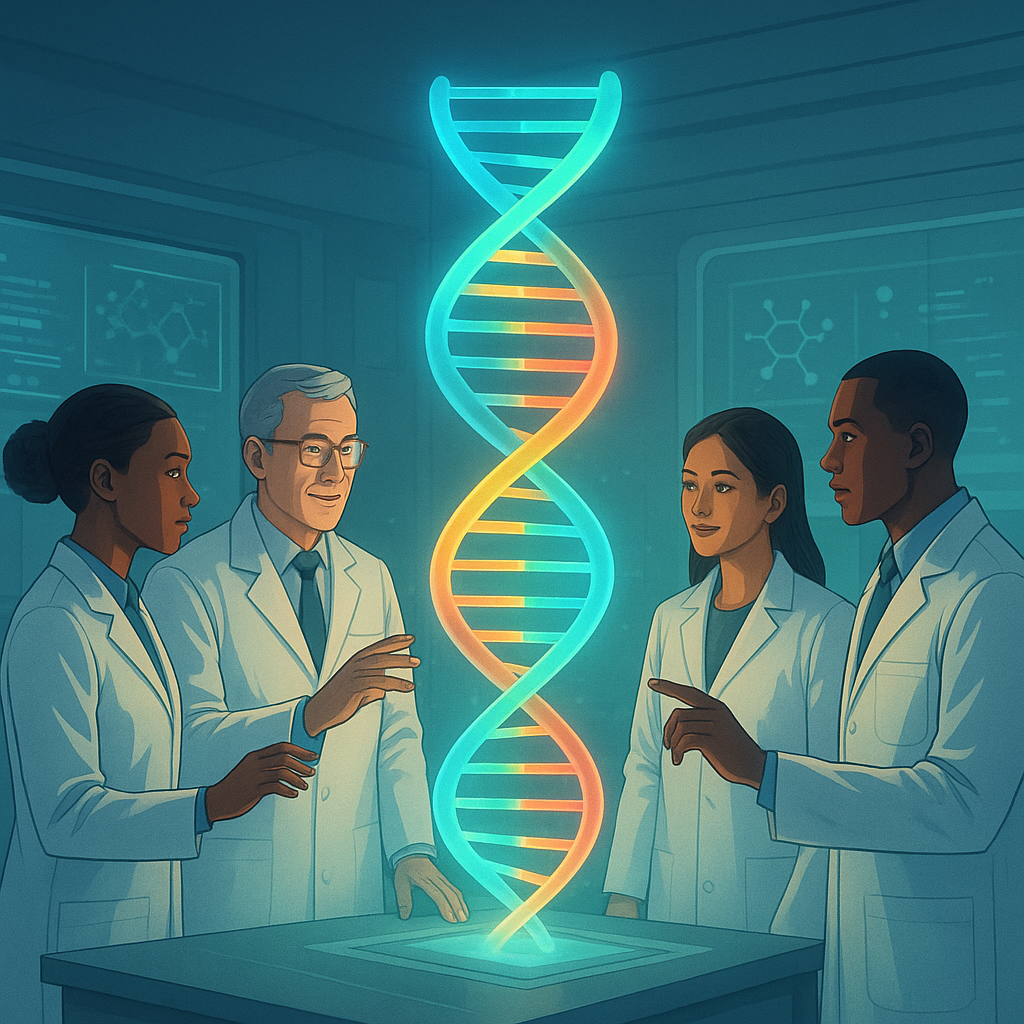
In a sprawling laboratory at the National Institutes of Health, a scientist peers intently at a 3D bioprinter fabricating miniature human organs from stem cells. Nearby, another team analyzes terabytes of genetic data, hunting for elusive mutations that could unlock cures for rare diseases. This scene, emblematic of the cutting-edge environment defining medical research in 2026, epitomizes the relentless human quest to conquer illness. According to the World Health Organization, over 10 million deaths annually could be prevented with advances in medical research, emphasizing its critical role in global health.
The urgency is palpable. With aging populations, emerging pathogens, and chronic diseases on the rise, medical research stands as humanity’s best hope to improve longevity and quality of life. Yet its scope and complexity are often underappreciated outside scientific circles. This article dives deep into how medical research has evolved, its current breakthroughs, and what lies ahead, drawing on expert insights and the latest data to illuminate this vital field.
“Medical research doesn’t just save lives; it transforms societies by enabling healthier, more productive populations,” says Dr. Elena Ramirez, Chief Scientist at the Global Health Frontier Institute.
A Historical Perspective: Charting the Evolution of Medical Research
The journey of medical research is a narrative of incremental learning punctuated by revolutionary breakthroughs. From the ancient Greek observations of Hippocrates to the discovery of penicillin by Alexander Fleming in 1928, the foundations were laid for modern scientific inquiry into human health. The mid-20th century marked the rise of randomized controlled trials and molecular biology, radically shifting paradigms.
By the 21st century, advances in genomics, bioinformatics, and imaging technologies catalyzed a new era. The Human Genome Project, completed in 2003, decoded the blueprint of human life, enabling unprecedented precision in understanding disease mechanisms. In parallel, the rise of computational power fueled big data analytics, transforming how researchers approach complex biological questions.
Yet, challenges persisted. Translating laboratory findings into therapies remained slow and costly, with many promising drugs failing in clinical trials. Regulatory hurdles and ethical debates over emerging technologies like gene editing stirred controversy. Nevertheless, the momentum was undeniable, setting the stage for the innovations we witness today.
"Understanding the past innovations and failures equips us with the wisdom to navigate future medical challenges," reflects Dr. Nathaniel Chen, historian of medicine at Cambridge University.
Analyzing the Landscape: Data-Driven Insights into Medical Research in 2026
Recent statistics underscore the scale and diversity of medical research worldwide. Global investment in medical research reached an estimated $290 billion in 2025, with the U.S., China, and the European Union leading expenditures. The number of registered clinical trials surpassed 150,000 globally as of early 2026, spanning oncology, neurology, infectious diseases, and rare genetic disorders.
Technological integration has amplified research efficiency. Artificial intelligence (AI) algorithms now analyze vast datasets to identify potential drug candidates, reducing development timelines by up to 40%, according to industry reports. Furthermore, precision medicine initiatives tailor treatments based on individual genetic profiles, improving outcomes in diseases like cancer and cystic fibrosis.
Comparative data reveals notable trends:
- Oncology research accounts for nearly 35% of clinical trials, reflecting the global cancer burden.
- Neurodegenerative diseases such as Alzheimer’s and Parkinson’s have seen a 25% increase in funding over the past five years.
- Infectious disease research
- Regenerative medicine, including stem cell therapies, has doubled its clinical trial presence since 2020.
This data illustrates a field both vast and rapidly evolving, driven by innovation and urgent health needs.
2026 Breakthroughs: What’s Shaping Medical Research This Year
The year 2026 is witnessing remarkable advances that promise to redefine treatment landscapes. One prominent development is the integration of quantum computing in drug discovery. Institutions like IBM and Google, collaborating with pharmaceutical giants, have demonstrated quantum algorithms capable of simulating complex molecular interactions previously intractable for classical computers.
Such capabilities accelerate the identification of drug candidates for diseases with unmet needs. For example, a recent breakthrough in designing antiviral compounds targeting elusive RNA viruses emerged from quantum simulations, marking a potential leap in pandemic preparedness.
Additionally, the application of CRISPR 3.0 gene-editing technology has made strides. This latest iteration allows for higher precision edits with minimal off-target effects, enabling safer therapeutic interventions. Trials using CRISPR 3.0 to correct genetic mutations in inherited blood disorders have shown promising early results.
Another notable trend is the proliferation of decentralized clinical trials. Enabled by digital health technologies and wearable sensors, these trials increase participant diversity and reduce logistical barriers, enhancing data quality and inclusivity.
These advances are not isolated; they reflect a systemic transformation. The collaborative networks spanning academia, industry, and governments have strengthened, fostering open science and rapid knowledge sharing. This spirit of collaboration is detailed in our recent piece Unveiling Breakthroughs: How May 2026 Is Redefining Medical Research.
Voices from the Field: Expert Perspectives and Industry Impact
Leading voices in medicine emphasize the dual promise and responsibility that come with rapid innovation. Dr. Amina Patel, CEO of NovaGene Therapeutics, highlights the ethical dimensions: "As we harness technologies like AI and gene editing, we must ensure equitable access and robust oversight to prevent misuse or exacerbation of health disparities."
Pharmaceutical companies are adapting to these imperatives by investing heavily in ethical frameworks and community engagement. Meanwhile, regulatory bodies worldwide are revising guidelines to keep pace with scientific progress without compromising safety.
The impact on healthcare systems is profound. Personalized therapies, though often costly upfront, promise long-term savings by reducing ineffective treatments and hospitalizations. Health insurers are beginning to incorporate genomic data into coverage decisions, signaling a shift toward value-based care.
Industry analysts forecast that by 2030, over 60% of new drugs will be developed using AI-driven platforms, a stark contrast to less than 10% a decade ago. This shift is creating new job categories and demanding interdisciplinary expertise, blending biology, computer science, and ethics.
For readers interested in the broader innovation ecosystem, our article Harnessing Innovation: Advanced Strategies Transforming Medical Research Today offers an in-depth exploration.
Looking Ahead: What to Watch in Medical Research’s Next Decade
The future of medical research is poised to be shaped by several converging forces. First, the expansion of global genomic databases will deepen understanding of genetic diversity and disease susceptibility, enabling more inclusive therapies.
Second, emerging biotechnologies such as synthetic biology and nanomedicine hold promise for creating novel treatment modalities and diagnostic tools. For instance, programmable nanobots capable of targeted drug delivery are transitioning from concept to early human trials.
Third, the ethical and regulatory landscape will become increasingly complex as technologies blur lines between therapy and enhancement. International cooperation will be vital to establish standards that balance innovation with societal values.
Finally, climate change’s impact on disease patterns will require adaptive research priorities. Vector-borne diseases are shifting geographically, necessitating rapid development of vaccines and treatments tailored to new epidemiological realities.
- Integration of AI and real-world data for continuous learning healthcare systems.
- Expansion of telemedicine-supported clinical trials for broader participation.
- Greater emphasis on mental health research informed by neurotechnology advances.
- Investment in pandemic preparedness through rapid diagnostics and therapeutics.
- Development of sustainable research infrastructures minimizing environmental footprints.
These trajectories underscore medical research’s dynamic role in addressing both current and emerging health challenges.
Case Studies: Real-World Impact of Cutting-Edge Medical Research
Consider the case of Lumasiran, an RNA interference therapy developed through collaborative academic-industry efforts that now effectively treats primary hyperoxaluria type 1, a rare genetic kidney disease. Since its approval in 2024, patient outcomes have improved dramatically, reducing the need for dialysis and transplant.
Another example is the rapid development of a pan-coronavirus vaccine leveraging mRNA platforms and AI-predicted epitopes. Initiated in late 2024, the vaccine entered Phase III trials in 2026, aiming to provide broad protection against multiple coronavirus strains, a critical tool against future pandemics.
Lastly, the deployment of AI-powered diagnostic tools in oncology clinics has enhanced early cancer detection rates by up to 30%, according to recent hospital system reports. These tools analyze imaging and genomic data to identify malignancies with unprecedented accuracy.
These cases exemplify how medical research translates into tangible health benefits, reinforcing its indispensable value.
In sum, the trajectory of medical research reflects a profound commitment to overcoming human disease. Its integration of technology, ethics, and collaboration heralds a promising future. For a broader understanding of the transformative power of modern medical research, readers can explore Revolutionizing Health: The Unseen Power and Promise of Modern Medical Research.