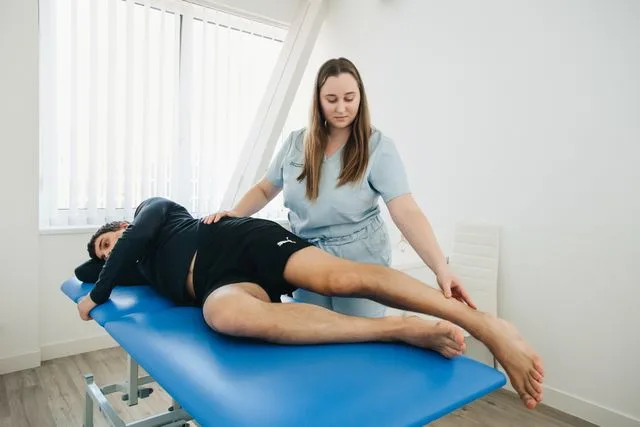
Most people view massage therapy as a luxury treatment reserved for spa days and special occasions. Yet growing evidence suggests that massage therapy deserves a more prominent place within standard healthcare practices. Professional massage therapists often work alongside physicians, physical therapists, and other healthcare providers to address pain, improve mobility, and support overall wellness in ways that are frequently overlooked. Understanding the legitimate therapeutic value of massage therapy reveals why it merits recognition as a serious healthcare intervention rather than merely an indulgence.
The Scientific Foundation Behind Massage Therapy
Massage therapy operates on well-established physiological principles that affect multiple body systems simultaneously. When a trained therapist applies pressure and movement to muscles and soft tissues, they stimulate blood circulation, increase oxygen delivery, and promote the release of tension held within muscle fibers. These mechanical actions trigger biochemical responses, including the release of endorphins and the reduction of cortisol, the body's primary stress hormone.
Research institutions and medical organizations have documented that massage therapy produces measurable changes in muscle function, pain perception, and nervous system regulation. For example, individuals recovering from sports injuries often benefit from therapeutic massage as part of their rehabilitation program, working alongside physical therapy exercises to restore strength and range of motion. The scientific basis for these outcomes distinguishes massage therapy from purely cosmetic treatments.
Pain Management Without Pharmaceutical Dependency
Chronic pain affects millions of people, and many individuals struggle with pharmaceutical pain-management options that carry risks of dependency or unwanted side effects. Massage therapy offers a non-pharmacological approach to reducing pain signals and improving the body's natural pain-management mechanisms.
Through techniques that release muscle tension and improve circulation, massage therapists help clients experience relief from conditions such as lower back pain, neck tension, and migraine headaches. This approach becomes particularly valuable for people seeking to reduce their reliance on pain medications or those who cannot tolerate certain medications because of allergies or other health concerns.
Healthcare providers increasingly recognize that incorporating massage therapy into a comprehensive pain-management strategy can reduce the need for higher medication doses while improving overall outcomes. For individuals living with chronic conditions, this therapeutic option provides an evidence-based approach that complements rather than replaces appropriate medical care.
Rehabilitation and Recovery From Injury
The role of massage therapy in post-injury rehabilitation highlights its clinical value within healthcare systems. Following surgery, injury, or intensive physical therapy, targeted massage can support recovery by reducing inflammation, minimizing scar tissue restrictions, and restoring normal movement patterns.
Physical therapists frequently recommend massage as an addition to treatment plans because it enhances the effectiveness of exercise-based rehabilitation. Athletes and active individuals often include therapeutic massage in their training and recovery routines because it helps maintain tissue health and reduce the risk of future injuries.
Patients undergoing post-surgical or sports rehabilitation programs may find that intensive massage therapy in Manhattan provides targeted soft-tissue treatment that supports a faster return to normal function. Many orthopedic and sports medicine practices now refer patients to licensed massage therapists because this form of care can help improve mobility and recovery outcomes.
Mental Health and Stress Reduction Benefits
Beyond its physical effects, massage therapy significantly influences mental health and emotional well-being through its effects on the nervous system. The calming effects of therapeutic touch, combined with focused breathing and a quiet environment, activate the parasympathetic nervous system, which promotes relaxation and recovery.
People experiencing anxiety, depression, or chronic stress often report meaningful improvements in their emotional state after regular massage therapy sessions. This mind-body connection is particularly important because stress and emotional strain frequently contribute to physical symptoms such as headaches, muscle tension, digestive discomfort, and sleep disturbances.
Massage therapists trained in therapeutic techniques understand how to create an environment that supports emotional regulation and overall wellness. By addressing both physical and emotional dimensions of health, massage therapy offers a comprehensive approach that aligns closely with modern holistic healthcare models.
Accessibility and Preventive Health Potential
Massage therapy also holds substantial potential as a preventive healthcare tool. Regular sessions can help maintain healthy muscle function, improve flexibility, and reduce the likelihood of chronic tension developing into more serious musculoskeletal issues.
Unlike invasive procedures or many pharmaceutical interventions, massage therapy carries relatively few risks for most healthy individuals and can often be incorporated safely into ongoing wellness routines. Despite these advantages, insurance limitations and lack of public awareness have prevented massage therapy from becoming a more common part of preventive healthcare discussions.
Healthcare organizations that include massage therapy within broader wellness programs often report higher patient satisfaction and improvements in overall well-being. As more attention shifts toward prevention rather than treatment alone, massage therapy may become an increasingly valuable component of long-term health maintenance.
Conclusion
Massage therapy represents a significant and often undervalued form of healthcare that deserves greater recognition within modern medical practice. Its foundation in physiological science, effectiveness in pain management, important role in rehabilitation, and positive impact on mental health demonstrate that it is far more than a luxury service.
The non-pharmaceutical nature of massage therapy, combined with its accessibility and broad range of benefits, makes it a valuable option for individuals seeking comprehensive approaches to health and wellness. As healthcare continues to evolve toward preventive care and whole-person treatment, massage therapy is likely to play an increasingly important role in helping people manage pain, reduce stress, recover from injuries, and maintain a higher quality of life. Recognizing massage therapy as legitimate healthcare rather than an occasional indulgence allows patients and providers alike to take fuller advantage of its therapeutic benefits.