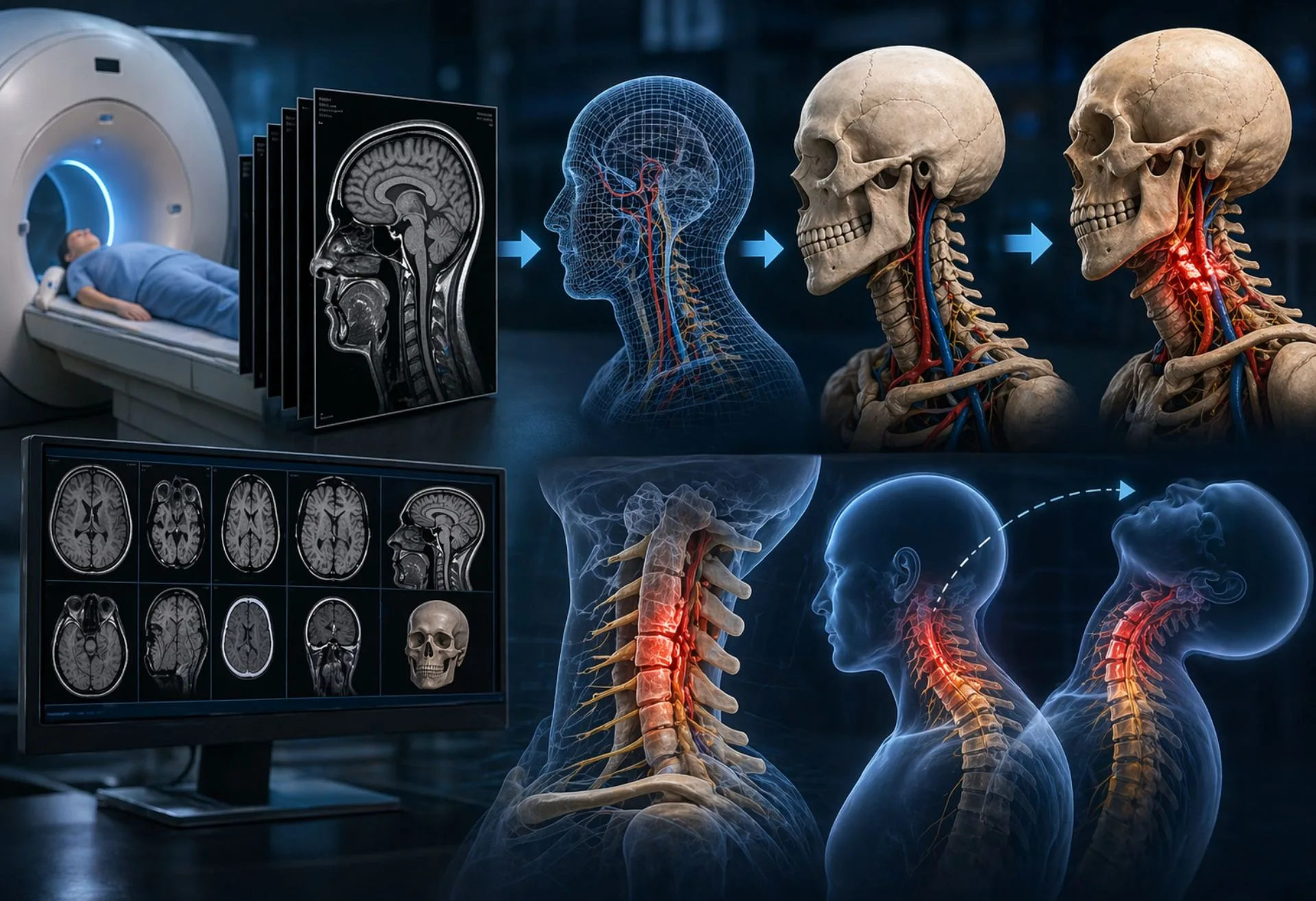
Courtroom cases involving medical evidence are often filled with technical language and complex anatomical details. Jurors without medical training may struggle to understand surgical procedures, injury mechanisms, or diagnostic findings through reports and testimony alone. This communication gap is one reason why 3D Medical Animation has become increasingly important in legal presentations.
By transforming complicated medical concepts into visual storytelling, medical animations help explain what happened in a clear and understandable way.
What Is 3D Medical Animation?
3D Medical Animation is a digital visual representation of medical events, anatomy, injuries, or procedures. These animations use motion, medical illustration, and anatomical modeling to recreate events step by step.
In legal settings, animations are commonly used to demonstrate:
- Surgical procedures
- Brain and spinal injuries
- Orthopedic trauma
- Vehicle accident injuries
- Medical malpractice events
- Internal organ damage
- Treatment complications
Instead of asking jurors to interpret medical terminology or static scans, animations visually guide them through the medical evidence.
Why Visual Learning Matters in Courtrooms
Most people process visual information faster than spoken or written information. When jurors are presented with complicated medical explanations verbally, important details can easily be misunderstood or forgotten.
Simplifies Complex Medical Concepts
Medical terminology can be confusing for individuals without healthcare experience. 3D Medical Animation breaks down anatomy, injuries, and procedures into clear visual sequences that are easier to follow.
For example, an animation can show how a spinal disc injury occurred during an accident or how a surgical error affected surrounding organs.
Improves Information Retention
Visual content is often easier to remember than verbal testimony. Jurors are more likely to recall animated demonstrations during deliberations because the information is connected to visual memory.
Creates Better Understanding
Animations can present timelines, treatment progression, and injury impact in a structured format. This allows jurors to better understand cause, effect, and medical outcomes.
How Animation Services Help Explain Medical Evidence
Professional Animation Services are often used to support expert testimony and clarify difficult evidence. Medical animations can combine imaging studies, surgical records, anatomy, and expert analysis into a single visual presentation.
These animations may include:
- 3D anatomical models
- Surgical reconstructions
- Injury progression visuals
- Accident impact simulations
- Medical device demonstrations
By visually presenting evidence, legal teams can reduce confusion and improve communication with jurors.
The Importance of Accuracy
Accuracy is essential in medical animation. Every detail must reflect medical evidence correctly, including anatomy, timing, and injury mechanisms.
Animations used in legal cases are often reviewed alongside medical records, diagnostic imaging, and expert testimony to ensure they accurately represent the facts of the case.
Clear and medically accurate visuals can help prevent misunderstandings and improve the overall effectiveness of courtroom communication.
Conclusion
Medical evidence can be difficult for jurors to interpret without visual support. 3D Medical Animation helps explain complicated injuries, anatomy, and medical procedures in a format that is easier to understand and retain. As courtroom presentations continue to evolve, animation services remain a valuable tool for improving communication and helping juries better understand complex cases.
FAQs
- What is 3D Medical Animation?
3D Medical Animation is a visual representation of medical procedures, injuries, or anatomy created using digital animation technology.
2. Why do juries understand animated evidence better?Animations simplify complex medical information through visual storytelling, making details easier to understand and remember.
3. Are medical animations used in courtrooms?Yes, medical animations are commonly used in personal injury, malpractice, and wrongful death cases to explain medical evidence.
4. What are animation services in legal cases?Animation services involve creating visual demonstrations of injuries, surgeries, or accidents to support legal presentations and expert testimony.