Software installation failures can be incredibly frustrating, especially when you're trying to set up essential programs or applications that your work depends on. If you've encountered error messages, incomplete installations, or programs that refuse to launch after installation, you're certainly not alone. Many computer users experience installation problems that seem mysterious and difficult to resolve without technical expertise. These issues can stem from compatibility conflicts, corrupted installation files, insufficient system resources, permission restrictions, or underlying hardware problems that aren't immediately obvious. The longer these problems persist, the more they impact your productivity and create unnecessary stress. Rather than spending hours troubleshooting or risking further system damage through trial-and-error fixes, seeking professional assistance is often the most efficient solution. This is where qualified Computer Repairs Richmond technicians can make a significant difference, diagnosing the root causes and implementing effective solutions. Throughout this article, we'll explore the common reasons why software installations fail, practical troubleshooting steps you can try, and when it's time to call in the professionals to get your system working smoothly again.
Richmond's Growing Tech Community and Support Services
Richmond, a vibrant suburb in Melbourne's inner west, has developed into a thriving hub for small businesses, creative professionals, and digital entrepreneurs. The area's diverse population and business landscape mean that many residents and companies rely heavily on their computer systems for daily operations, making reliable software functionality essential. As more people and businesses in Richmond embrace digital tools and software solutions, the demand for reliable computer repair and technical support services has grown accordingly. Local IT professionals have responded by developing specialized expertise in diagnosing and resolving software installation issues specific to Richmond's business and residential community. This established support network makes it easier than ever to get professional help when software problems arise. Let's explore the specific reasons why installation failures occur and how they can be resolved.
Identifying Compatibility Issues and System Requirements
One of the most common reasons software fails to install correctly is compatibility problems between the application and your computer system. Software developers design their programs for specific operating systems, processor architectures, and system configurations, and attempting to install software designed for incompatible systems inevitably leads to failure. Before installation, you should always verify that your computer meets the minimum system requirements listed by the software publisher. This includes checking your operating system version, available RAM, hard drive space, processor type, and any specific graphics or sound card requirements. Many installation failures occur because users attempt to run 32-bit software on 64-bit systems without the necessary compatibility layers, or try to install Windows software on Mac systems. Additionally, older software may not be compatible with newer operating system versions that have removed support for legacy applications. Professional computer repair technicians in Richmond can quickly assess your system specifications and determine whether compatibility issues are causing your installation problems, then recommend appropriate solutions such as updating your operating system, installing compatibility software, or selecting alternative programs that better suit your system.
Resolving Corrupted Files and Incomplete Downloads
Installation failures frequently result from corrupted or incomplete installation files, which can occur due to interrupted downloads, malware interference, or corrupted storage media. When installation files become corrupted during the download process, the installer cannot execute properly, resulting in cryptic error messages or installation wizard crashes. You can prevent many of these issues by ensuring you're downloading software from official, legitimate sources rather than third-party websites that may host compromised versions. If you suspect file corruption, attempt to re-download the installation file, preferably from the official publisher's website. Clear your browser cache and temporary files before downloading to ensure a clean download process. Some installers allow you to verify file integrity through checksums or hash values, which confirm whether the downloaded file matches the original. If re-downloading doesn't resolve the issue, the problem may lie deeper within your system. Computer repair services in Richmond can access specialized diagnostic tools to identify corrupted system files that interfere with installations, repair damaged file systems, and ensure your computer can properly process and execute installation files.
Managing Permissions, User Accounts, and System Restrictions
Many users encounter installation failures due to insufficient user permissions or system restrictions that prevent software from accessing necessary directories or modifying system files. Modern operating systems implement strict permission structures to protect system integrity and security, but these same protections sometimes block legitimate software installations. If you're logged in with a standard user account rather than an administrator account, certain software installations will fail because the installer cannot modify protected system directories. Some corporate or educational computers have additional restrictions implemented through group policies or security software that actively blocks certain installation attempts. Running the installer as an administrator, disabling security software temporarily during installation, or adjusting user account control settings can sometimes resolve these permission-related failures. However, if these steps don't work, professional technicians can investigate your system's security policies, user account configuration, and access restrictions to identify what's preventing successful installation. They can make appropriate adjustments without compromising your system's security or stability.
Hardware Issues and System Resource Problems
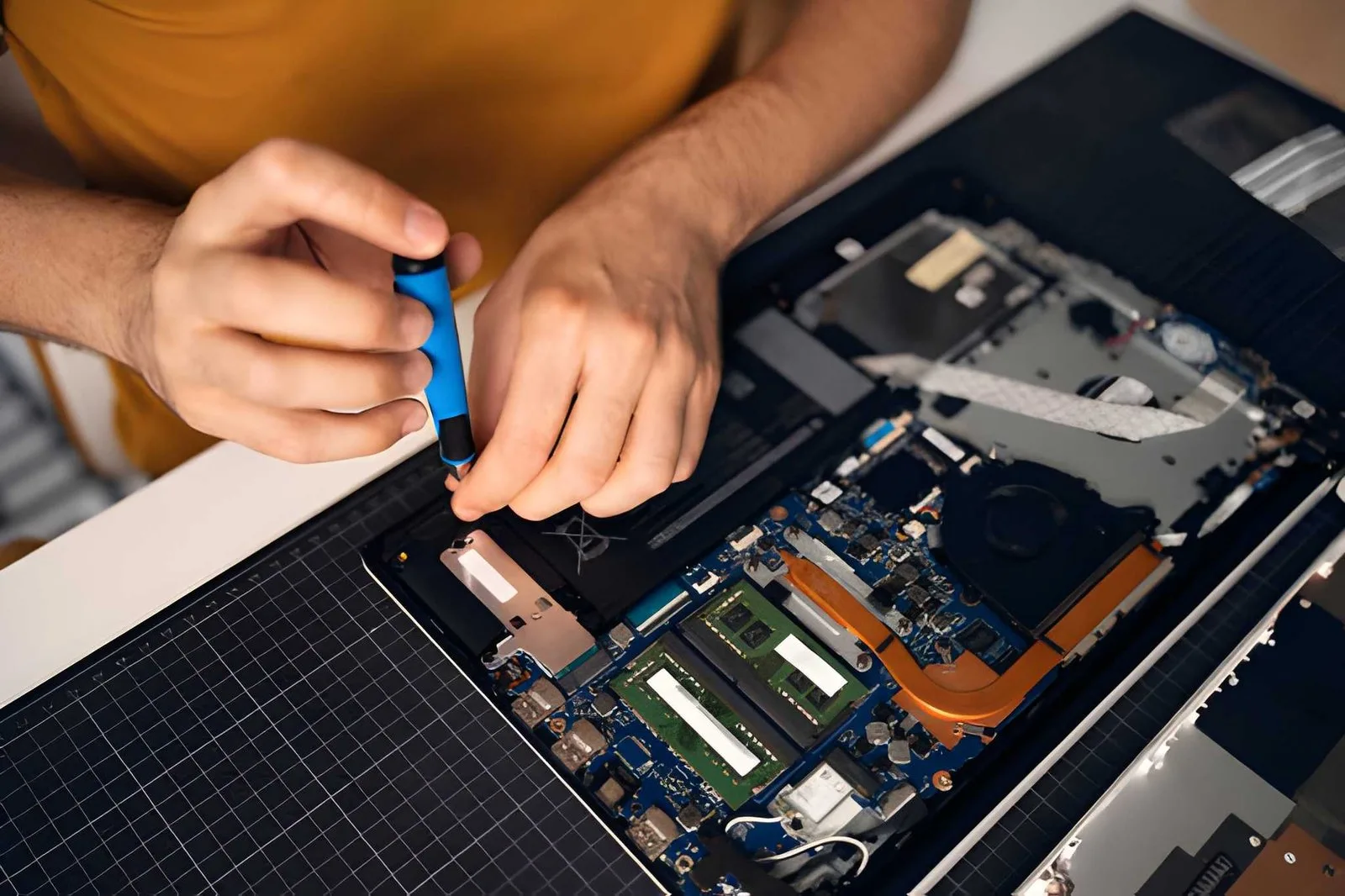
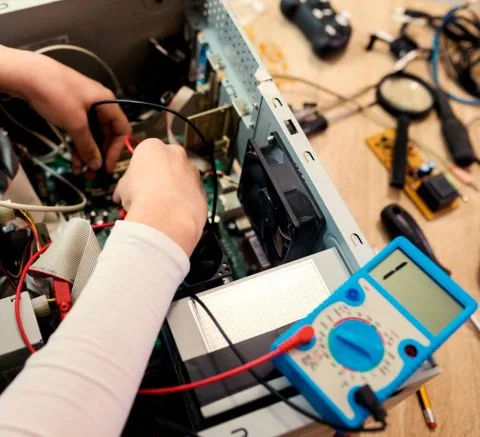
Installation failures sometimes indicate deeper hardware problems or resource constraints that prevent your system from properly executing the installation process. Insufficient available hard drive space, failing storage drives, defective RAM, or overheating processors can all cause installation failures or result in unstable software behavior after installation. If your system is running low on storage space, the installation process may fail partway through when it attempts to write files to a full drive. Failing hard drives may cause read errors that corrupt the installation process, while defective RAM can cause random crashes during installation. Overheating can cause the system to throttle performance or shut down unexpectedly during installation. Professional computer repair technicians in Richmond can run comprehensive hardware diagnostics to identify these physical problems, replace failing components, and ensure your system has adequate resources for successful software installation and reliable operation.
Conclusion
Software installation problems can stem from multiple causes, including compatibility issues, corrupted files, permission restrictions, and hardware failures. While some issues can be resolved through troubleshooting steps you can perform yourself, persistent installation failures often require professional expertise. Computer repair services in Richmond provide comprehensive diagnostic and repair solutions that identify root causes and implement lasting fixes. Rather than struggling with frustrating error messages, contacting qualified technicians ensures your software installs correctly and your system runs reliably.