
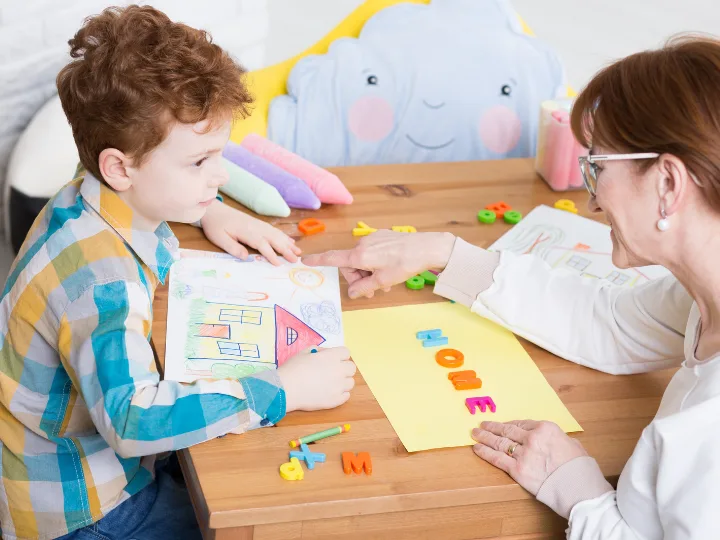
Everyday activities such as dressing, writing, eating and completing schoolwork can present different challenges for children. When a task feels too difficult, it may affect their confidence, independence and willingness to participate. Task adaptation involves modifying an activity, its tools or its environment to make it more manageable. Exploring occupational therapy near me can help families understand how these adjustments may support children’s participation in everyday routines.
Understanding Task Adaptation
Task adaptation means changing how an activity is performed without removing its main purpose. The adjustment depends on the child’s abilities, challenges and individual goals.
For example, a child who struggles with handwriting may benefit from a thicker pencil, lined paper or shorter writing activities. A child who finds dressing difficult might practise with larger buttons before progressing to smaller fasteners.
These changes let children participate in meaningful activities while gradually building their skills. Instead of expecting every child to complete a task in the same way, adaptation recognises that different approaches may be needed to achieve similar outcomes.
Reducing Everyday Frustration
Tasks that require several steps or precise movements can sometimes feel overwhelming. Repeated difficulty may lead to frustration, avoidance or a reluctance to try again.
Adapting an activity can reduce unnecessary barriers. Breaking a complicated task into smaller steps, simplifying instructions, or providing extra time can make participation easier.
For instance, a child learning to organise school materials could begin with a simple checklist before managing a complete school bag independently.
These adjustments help create achievable opportunities for practice. As children become more comfortable with a task, therapists can gradually increase its difficulty to encourage continued learning.
Encouraging Greater Independence
One purpose of occupational therapy is to help children participate more independently in everyday activities. Task adaptation can provide the support needed to practise skills while reducing reliance on constant assistance.
A child who struggles to use cutlery might benefit from an adapted handle that is easier to grip. Similarly, placing frequently used belongings within easy reach can make daily routines more manageable.
Occupational therapists consider which changes suit the child’s needs and environment. They can then adjust support as abilities develop.
The aim is not necessarily to make every task easier permanently. Instead, adaptations can help children participate now while building the skills needed for greater independence over time.
Supporting Individual Learning Needs
Children develop at different rates and respond differently to instructions, equipment and learning environments. A single approach may not suit every child, even when they work toward the same goal.
Task adaptation allows activities to reflect individual strengths and challenges. Some children may need visual instructions, while others may benefit from demonstrations, additional practice or modified equipment.
For example, a child who finds scissors difficult to control might begin with suitable adapted scissors and simple cutting lines before attempting more complex shapes.
Occupational therapists can observe how children approach activities and identify adjustments that support participation. Regular review helps ensure that the strategies remain suitable as needs change.
Improving Environmental Accessibility
Sometimes, a child’s difficulty comes partly from the environment rather than the activity itself. Poor positioning, distracting surroundings, or inaccessible equipment can make everyday tasks harder.
Environmental adjustments may include providing a stable seating position, organising materials within reach, reducing unnecessary distractions or creating a clearly defined workspace.
For children doing homework, a suitable chair and an organised desk may help them focus. In other situations, visual labels and consistent storage locations can make belongings easier to find.
Considering the environment alongside the activity helps families identify practical changes that may improve participation at home, during learning and in community settings.
Building Confidence Through Practice
Successful participation can encourage children to try unfamiliar activities and continue practising challenging skills. When a task is appropriately adapted, children may experience progress without becoming overwhelmed.
Families can support this process by recognising effort, offering manageable choices and allowing children enough time to complete activities. Adaptations should provide useful assistance without creating unnecessary dependence.
Exploring occupational therapy near me may help families understand which adjustments could support a child’s daily participation. An occupational therapist can assess individual needs, recommend practical strategies and review progress over time.
Final Summary
Task adaptation helps children participate in everyday activities by reducing barriers, supporting independence and making practice more manageable. Adjustments to tools, instructions, task steps and environments can address individual challenges while encouraging skill development. With suitable guidance and regular review, adaptations can help children build confidence and participate more actively in daily life.
FAQs
1. What Is Task Adaptation?
Task adaptation involves modifying an activity, equipment or environment so a person can participate more effectively while working towards a meaningful goal.
2. Who Can Benefit From Task Adaptation?
Children who have difficulty with handwriting, dressing, eating, organisation, or other everyday activities may benefit from appropriate adaptations.
3. Does Task Adaptation Replace Skill Development?
No. Adaptation can support participation while children practise and develop relevant skills. The approach depends on their individual needs and goals.
4. Can Parents Adapt Tasks At Home?
Yes. Parents can simplify instructions, organise materials, provide suitable tools and divide activities into manageable steps.
5. Are Task Adaptations Permanent?
Not always. Some adjustments may remain useful, while others can be modified or reduced as a child’s abilities, needs and circumstances change.