Ayurveda is one of India's traditional systems of health and wellness, offering a holistic understanding of the relationship between the body, mind, lifestyle, and nature. Today, many students, Yoga teachers, wellness professionals, and aspiring therapists are interested in learning authentic Ayurvedic practices. Among the different areas of Ayurveda, Panchakarma and Ayurvedic therapies have become popular subjects for professional training.
Choosing the right Ayurveda school in Rishikesh is an important step towards developing practical skills and understanding traditional Ayurvedic principles. A good training centre should offer experienced guidance, a structured curriculum, hands-on practice, and a supportive learning environment.
If you are planning to join a Panchakarma Course in India, Haritha Ayurveda Academy & Panchakarma Center in Rishikesh offers beginner-friendly training designed to introduce students to Ayurvedic theory, massage techniques, and traditional Panchakarma therapies.

Why Is Rishikesh a Good Place to Learn Ayurveda and Panchakarma?
Rishikesh, situated in Uttarakhand near the Himalayan foothills and the River Ganga, is widely known for yoga, meditation, and traditional wellness practices. Students from India and abroad visit this destination to explore holistic education and develop their understanding of Ayurveda.
Studying Ayurveda in Rishikesh offers several learning advantages:
- Traditional learning environment: Experience a destination closely associated with Indian wellness traditions.
- Practical exposure: Learn through demonstrations and supervised practice rather than theory alone.
- International student community: Interact with learners from different cultures and professional backgrounds.
- Yoga and meditation: Complement Ayurvedic studies with traditional wellness practices.
- Peaceful surroundings: Enjoy an environment that encourages concentration and personal development.
How Choose an Skilled Ayurveda School in Rishikesh for Panchakarma Course and Ayurveda Therapies?
When selecting an Ayurveda School, it is important to look beyond attractive advertisements and course certificates. The quality of education, practical experience, teacher qualifications, curriculum, and safety standards should guide your decision.
Here are some important factors to consider before enrolling.
1. Check the Experience and Qualifications of Teachers
A good Ayurveda School should have knowledgeable teachers, qualified Ayurvedic practitioners, and experienced therapy instructors. Panchakarma involves specific traditional procedures that require proper understanding and supervision.
Before joining, check who teaches the theory classes, who supervises practical sessions, and whether students receive individual guidance during training.
2. Choose a Course with Practical Training
Panchakarma and Ayurvedic Massage techniques require practical skills. Reading about therapies is not enough to understand their preparation, application, and professional procedures.
Look for a school that provides hands-on training, live demonstrations, supervised practice, and practical assessments.
3. Review the Course Curriculum
A well-organized Panchakarma Course should introduce the fundamentals of Ayurveda before progressing to individual therapies.
The curriculum should cover topics such as:
- Introduction to Ayurveda and its history
- Vata, Pitta, and Kapha doshas
- Prakriti and body constitution
- Panchamahabhuta and Sapta Dhatu concepts
- Ayurvedic massage principles
- Preparation and application of herbal oils
- Panchakarma procedures and their stages
- Contraindications and safety precautions
- Professional hygiene and client communication
A clear syllabus helps students understand what they will learn before paying their course fees.
4. Verify Certification and Course Recognition
Certification is another important factor when choosing an Ayurveda training centre. Ask which organization is associated with the certificate, what assessment is required, and what the certificate actually represents.
Haritha Ayurveda Academy & Panchakarma Center lists STED Council affiliation for its Panchakarma Training. Students should independently review the certification details and understand that a short-term course-completion certificate does not automatically provide a licence to practise as a registered Ayurvedic doctor.
5. Compare Course Duration, Fees, and Facilities
Choose a course that matches your learning goals and available time. Check whether the fee includes study materials, herbal oils, practical supplies, accommodation, and meals.
Also ask about batch sizes, daily schedules, course dates, and additional charges before confirming your enrolment.
What Will You Learn in a Panchakarma Course at Haritha Ayurveda?
The Ayurveda Panchakarma Course in Rishikesh at Haritha Ayurveda Academy is designed for beginners who want to develop foundational knowledge and practical skills in Ayurvedic Therapies.
The course page describes a 28-day beginner-level programme with theoretical lessons and supervised practical sessions.
Understanding the Fundamentals of Ayurveda
Students are introduced to important Ayurvedic concepts, including:
- The five elements or Panchamahabhutas
- The three doshas: Vata, Pitta, and Kapha
- Prakriti and Vikriti
- Sapta Dhatu and Agni
- The traditional concepts of Ama and Malas
- Ayurvedic daily routines and lifestyle principles
These subjects provide a foundation for understanding traditional Ayurvedic approaches to wellness.
Learning Traditional Panchakarma Therapies
Students explore the five principal Panchakarma procedures described in classical Ayurveda:
- Vamana: Traditional therapeutic emesis.
- Virechana: Therapeutic purgation.
- Basti: Medicated enema therapy.
- Nasya: Nasal administration of selected preparations.
- Raktamokshana: Traditional bloodletting procedures.
These procedures are not suitable for everyone and require appropriate professional qualifications, assessment, and supervision. A beginner course introduces their principles; it does not qualify every student to independently perform all clinical procedures.
Practical Ayurvedic Massage and Therapy Training
The course also introduces students to different Ayurvedic bodywork techniques, including:
- Abhyanga – traditional full-body oil massage
- Shirodhara – continuous pouring of liquid over the forehead
- Pinda Swedana – herbal poultice therapy
- Patra Swedana – herbal leaf poultice therapy
- Kati Basti – localized therapy for the lower back
- Janu Basti – localized therapy for the knee
- Greeva Basti – localized therapy for the neck
- Udwarthana – traditional herbal powder massage
- Takradhara – traditional buttermilk-stream therapy
- Marma massage and related techniques
Practical classes help students understand preparation, positioning, hygiene, therapist posture, and the traditional application of these techniques.
Who Should Join an Ayurveda Panchakarma Course?
A beginner-friendly Panchakarma Course may be suitable for people interested in developing foundational knowledge of Ayurvedic therapies.
It can be useful for:
- Beginners interested in traditional Ayurveda
- Aspiring Panchakarma therapists
- Massage and spa professionals
- Yoga teachers and instructors
- Holistic wellness practitioners
- Wellness retreat facilitators
- Students exploring professional opportunities in Ayurveda
People seeking to become registered Ayurvedic physicians must pursue the appropriate recognized medical education and registration pathway in accordance with applicable regulations.
Why Choose Haritha Ayurveda Academy & Panchakarma Center?
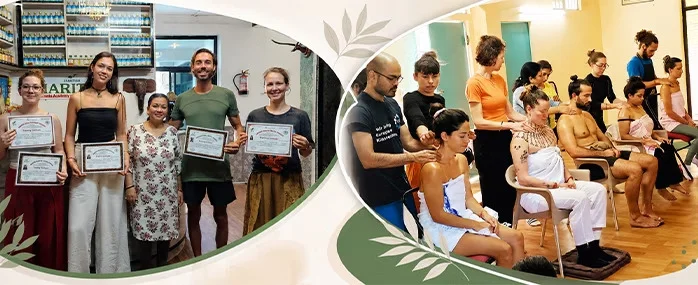
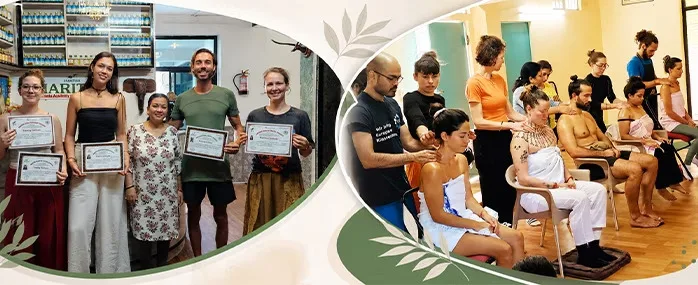
Haritha Ayurveda Academy & Panchakarma Center provides a learning environment in Rishikesh for students interested in Ayurvedic massage and Panchakarma education.
Some features listed on its official course page include:
- Beginner-friendly Panchakarma training
- Theory and supervised practical sessions
- Experienced Ayurvedic teachers and therapy instructors
- STED Council-affiliated training
- English and Hindi instruction
- Study materials and basic herbal oils for training
- Small-batch learning and student support
- Yoga, meditation, and wellness activities
The centre also offers a residential learning option. Confirm the latest accommodation, meal arrangements, fees, and course schedule directly with the school before booking.

Career Opportunities After Panchakarma Training
Learning Ayurvedic massage and Panchakarma fundamentals can help students develop additional skills for the wellness industry.
Depending on their previous qualifications, further training, and applicable local regulations, graduates may explore opportunities such as:
- Ayurvedic massage therapist
- Panchakarma therapy assistant
- Wellness centre and spa professional
- Yoga and Ayurveda retreat assistant
- Holistic wellness service provider
- Further study in advanced Ayurveda programmes
Continued education and supervised professional experience are important for developing competence and working responsibly.
Start Your Ayurveda Learning Journey in Rishikesh
Choosing the right Ayurveda School is an important decision for anyone interested in Panchakarma and traditional Ayurvedic Therapies. Look for experienced teachers, a detailed curriculum, supervised practical training, transparent certification information, and a supportive learning environment.
Haritha Ayurveda Academy & Panchakarma Center in Rishikesh offers a beginner-level Panchakarma training programme that introduces students to Ayurvedic foundations, massage techniques, and traditional therapies.
If you want to develop your knowledge of Ayurveda and gain practical exposure to Panchakarma, explore the course details and contact the academy to discuss your learning goals.