
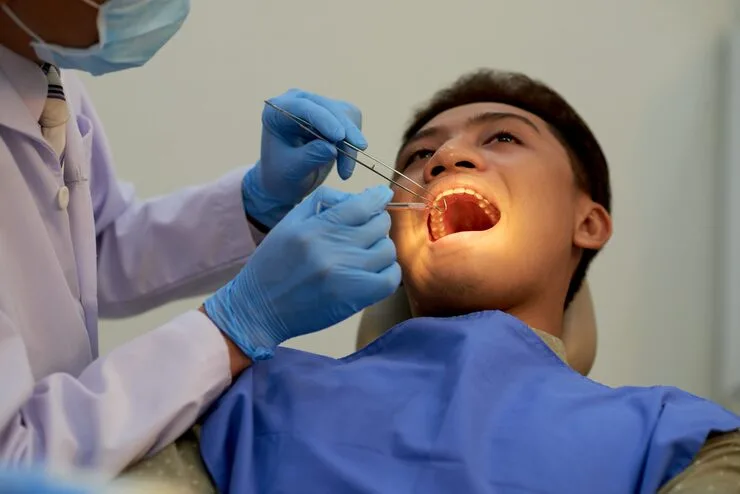
Root canal treatment is often preferable to tooth extraction because it removes infection while preserving the natural tooth. When a tooth can be restored successfully, saving it helps maintain chewing function, tooth alignment, and the surrounding bone.
Patients considering root canal treatment in Coimbatore often face a difficult decision when a tooth becomes severely painful or infected. Understanding when a tooth can be saved, what treatment involves, and when extraction is necessary can help patients make an informed choice.
Why Is Saving a Natural Tooth Usually Better Than Removing It?
Natural teeth work together to support comfortable chewing and maintain the position of neighbouring teeth. Removing one tooth can affect this balance, particularly when the gap remains untreated.
Preserving a tooth provides several practical advantages:
- Maintains natural chewing ability.
- Helps prevent neighbouring teeth from shifting.
- Avoids an immediate need for tooth replacement.
- Preserves the natural tooth root and surrounding bone support.
- Maintains the appearance of the smile.
However, saving a tooth is worthwhile only when it has enough healthy structure and support to function after treatment.
A consultation at a dental clinic in Coimbatore can help determine whether the affected tooth is restorable.
When Does a Tooth Need Root Canal Treatment?
Root canal treatment becomes necessary when the pulp, which contains nerves and blood vessels inside the tooth, becomes inflamed or infected beyond recovery.
This may happen because of deep decay, cracks, repeated dental procedures, or injuries.
Common warning signs include:
- Persistent toothache or pain while chewing.
- Prolonged sensitivity to hot or cold foods.
- Swelling or tenderness around the gums.
- A small swelling resembling a pimple near the affected tooth.
- Darkening of a tooth following injury.
Some infected teeth cause little or no pain. Therefore, symptoms alone cannot confirm whether treatment is required.
Dentists offering Best Root Canal Treatment in Coimbatore should assess the tooth clinically and use appropriate X-rays before recommending a procedure.
How Does Root Canal Treatment Save an Infected Tooth?
Root canal treatment removes damaged pulp, cleans the internal canals, and seals the space to reduce the risk of further infection.
The procedure generally involves these steps:
- Examination: The dentist checks the tooth and reviews dental X-rays.
- Anaesthesia: Local anaesthesia helps keep the procedure comfortable.
- Cleaning: Infected pulp is removed, and the canals are disinfected.
- Sealing: The cleaned canals are filled with a suitable material.
- Restoration: A filling or crown restores the tooth for everyday use.
Back teeth often require crowns because they experience considerable chewing pressure. The dentist decides whether a crown is needed based on the remaining tooth structure.
Modern root canal treatment in Coimbatore aims to preserve a functional tooth rather than remove it unnecessarily.
How Does Root Canal Treatment Compare With Extraction?
Both procedures can address a severely damaged or infected tooth, but they have different long-term consequences.
Root canal treatment retains the natural tooth. Extraction removes it completely, leaving a space that may need replacement.
Important differences include:
- Tooth Preservation: Root canal treatment retains the tooth; extraction does not.
- Chewing: A properly restored tooth can continue functioning naturally.
- Replacement: Extraction may require a bridge, denture, or implant.
- Appointments: Both options may involve additional visits.
- Long-Term Costs: Tooth replacement can increase the total expense after extraction.
Patients comparing procedures at a dental hospital in Coimbatore should ask about the complete treatment pathway rather than only the initial procedure fee.
When Is Tooth Extraction the Better Option?
Root canal treatment cannot save every tooth. Extraction may be necessary when the tooth is too damaged to restore predictably.
Examples include:
- A vertical root fracture extending deep into the tooth.
- Extensive decay leaving insufficient tooth structure.
- Severe periodontal disease with inadequate bone support.
- Damage that prevents a reliable final restoration.
A dentist should explain the diagnosis, expected outcome, and replacement options before recommending removal.
Choosing between extraction and Best Root Canal Treatment in Coimbatore requires assessing the individual tooth rather than assuming one procedure is always superior.
What Should Patients Check Before Choosing a Dental Clinic?
Successful treatment depends on diagnosis, careful cleaning, proper sealing, and the final restoration.
When selecting a dental clinic in Coimbatore, patients should ask whether the dentist has evaluated the tooth's restorability, discussed alternatives, and explained the likely number of visits.
It is also useful to understand the cost of the crown, if required, and whether follow-up X-rays are recommended.
A dental hospital in Coimbatore should provide clear aftercare instructions, including when to resume chewing normally and which symptoms require further attention.
Final Words
Root canal treatment is generally worth considering when an infected tooth can be restored and maintained. Extraction remains appropriate when the tooth cannot be saved reliably.
Patients considering treatment in Coimbatore can consult Elite Dental Studio at R.S. Puram for an examination and discussion of tooth preservation options.
Call +91 9633 694999 to book a consultation.
FAQs
Is Root Canal Treatment More Painful Than Extraction?
Both procedures are usually performed under local anaesthesia. Some tenderness may occur afterward, depending on the infection and procedure.
How Long Can a Root Canal Treated Tooth Last?
A properly treated and restored tooth can last many years. Its longevity depends on the remaining structure, oral hygiene, and regular dental care.
Can an Infected Tooth Heal Without Root Canal Treatment?
An irreversibly infected pulp cannot heal through antibiotics alone. The dentist must assess whether root canal treatment or extraction is necessary.