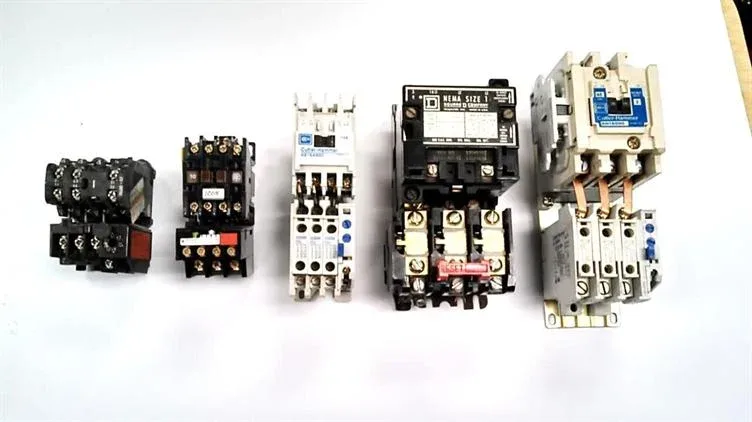
Introduction to Motor Starters
A motor starter is an essential electrical device designed to start, stop, and protect electric motors during operation. Electric motors often draw a very high inrush current when starting, which can damage the motor windings and connected electrical systems if not properly controlled. Motor starters help regulate this current while also providing protection against overloads, low voltage conditions, and short circuits. These devices are widely used in industrial machinery, commercial HVAC systems, pumps, compressors, and automated production equipment. By ensuring smooth motor operation and reducing electrical stress, motor starters improve both equipment reliability and operational safety.
There are several types of motor starters available, each designed for different motor sizes and application requirements. The most common type is the Direct-On-Line (DOL) starter, which directly connects the motor to the power supply. It is simple, cost-effective, and suitable for small motors. Star-delta starters are commonly used for larger motors because they reduce starting current by initially connecting the motor in a star configuration before switching to delta mode. Soft starters gradually increase voltage during startup, minimizing mechanical shock and reducing wear on equipment. Another type is the autotransformer starter, which uses reduced voltage for smoother motor acceleration. Each type offers unique benefits depending on load conditions and operational needs.
Working Principle of Motor Starters
Motor starters work by controlling the electrical power supplied to a motor through contactors, relays, and protective components. When the start button is pressed, the contactor closes, allowing current to flow to the motor. Thermal overload relays continuously monitor motor current and disconnect the circuit if excessive current or overheating occurs. Some advanced starters also include electronic monitoring systems for enhanced protection and control. By safely managing startup and shutdown operations, motor starters prevent electrical damage, reduce maintenance costs, and extend motor lifespan.
Motor starters are widely used across many industries and commercial systems. In manufacturing plants, they operate conveyor belts, industrial pumps, and heavy machinery. HVAC systems rely on starters to control fans, chillers, and air compressors efficiently. In agriculture, motor starters are used in irrigation pumps and grain processing equipment. Water treatment plants also use them to manage large pumping systems. Their ability to provide reliable motor control and protection makes them critical components in automation, robotics, and energy-efficient systems.
Selection Considerations
Selecting the correct motor starter depends on several factors including motor power rating, voltage, load type, and operating environment. Applications requiring frequent starts may benefit from soft starters to reduce mechanical stress. Environmental conditions such as dust, heat, and moisture should also be considered when choosing enclosure types and protection ratings. Proper starter sizing ensures stable performance, energy efficiency, and long-term motor protection. Consulting motor specifications and system requirements helps ensure safe and efficient operation.