International industrial procurement is becoming more diversified. Manufacturers and importers are increasingly evaluating suppliers from different regions to improve availability, manage costs, and create more flexible supply networks.
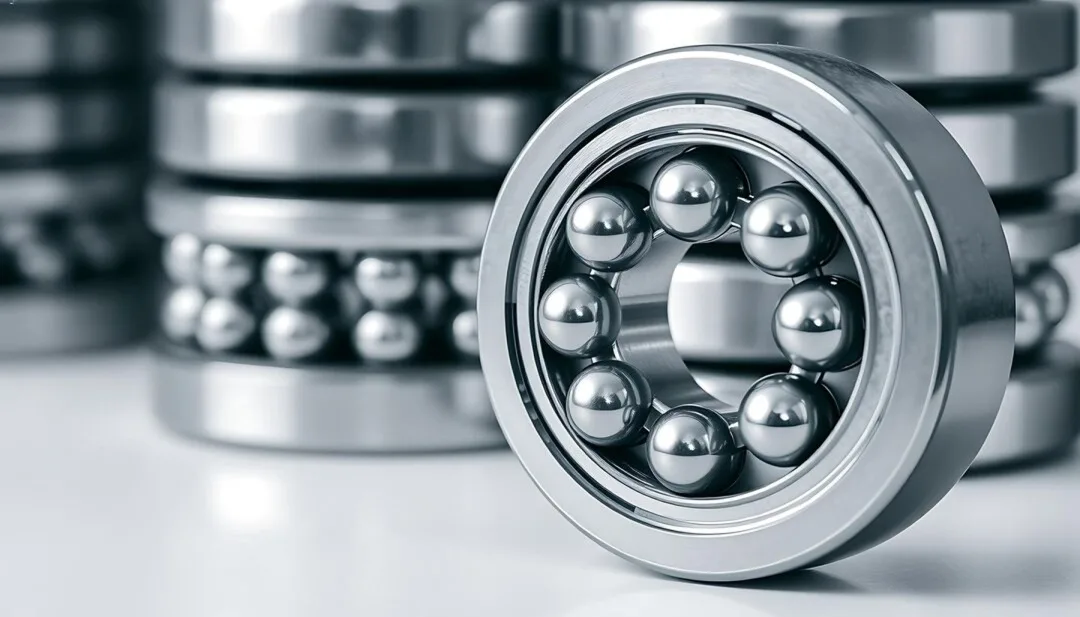
Bearings are an important part of this process. They are used in machinery across manufacturing, automotive, energy, transportation, construction, agriculture, and engineering. Because bearing performance can affect equipment reliability, buyers generally look beyond price when selecting a source.
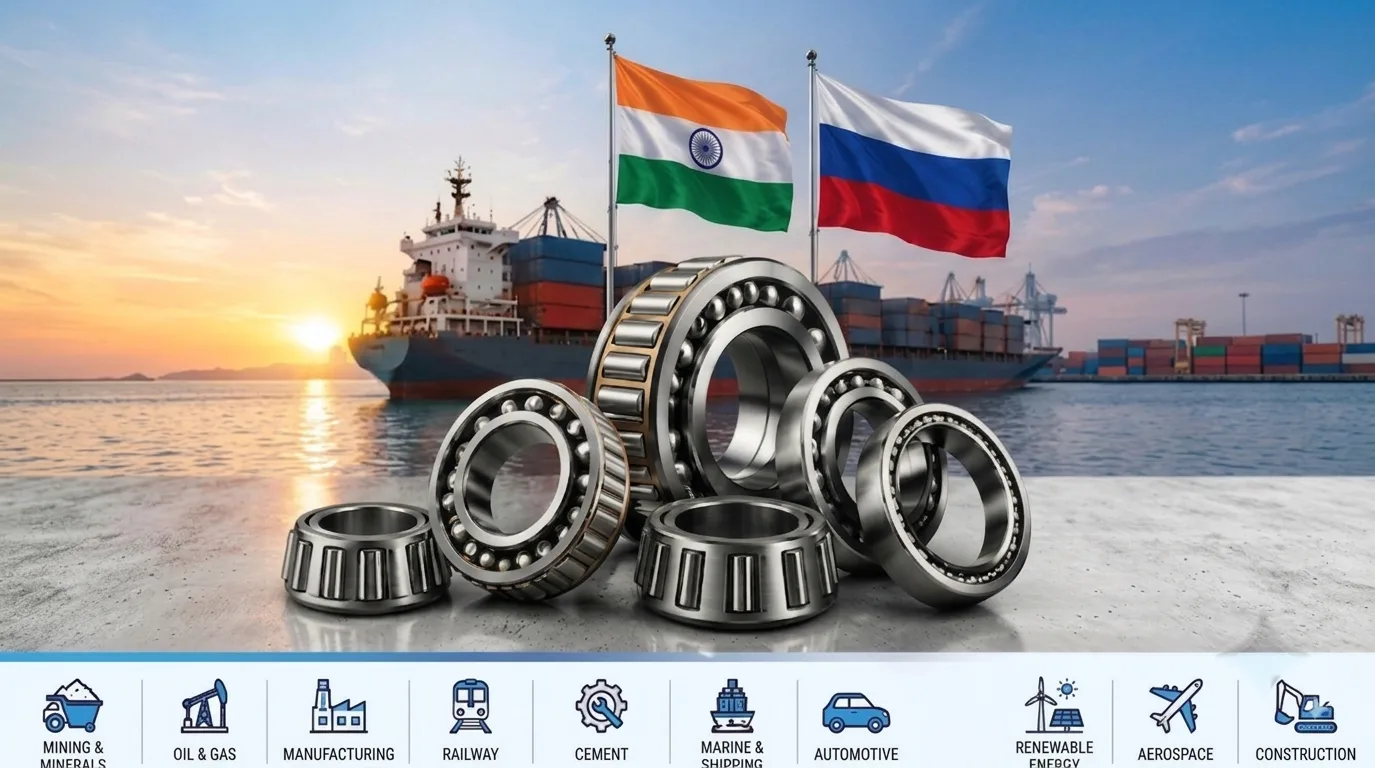
India has emerged as one of the markets attracting attention from international industrial buyers, including businesses operating in Russia.
India’s Growing Manufacturing Capabilities
India has developed a broad manufacturing and engineering ecosystem serving a variety of industries. Automotive components, industrial machinery, engineering products, and other mechanical systems are produced for both domestic and international markets.
This established industrial base gives overseas buyers an opportunity to evaluate Indian suppliers for different applications and order requirements.
For a buyer, the advantage is not necessarily tied to one factor. Manufacturing experience, product availability, production capacity, pricing, technical capabilities, and export experience can all influence the sourcing decision.
Why Bearings Require Careful Selection
Bearings may be standard components, but their specifications can vary significantly depending on the equipment.
A bearing used in a high-speed electric motor may have different requirements from one installed in mining equipment or a heavy-duty conveyor.
Before selecting a product, buyers should consider factors such as:
- Load capacity
- Operating speed
- Bearing dimensions
- Temperature
- Lubrication
- Environmental conditions
- Alignment
- Expected service life
Understanding these requirements helps businesses select components that are suitable for their particular application.
Russia’s Industrial Demand
Russia has a diverse industrial sector that includes manufacturing, energy, transportation, construction, machinery, and engineering.
Equipment operating in these industries requires bearings for both original machinery and replacement applications. This creates continuing demand for dependable sources of industrial components.
As international procurement strategies change, Russian businesses may evaluate suppliers from different manufacturing regions. India is one of the markets that can provide an alternative sourcing option.
The Importance of Reliable Supply
For industrial buyers, having access to the right product at the right time can be just as important as the product itself.
Production delays can occur when critical components are unavailable or delivery schedules are uncertain. As a result, buyers may assess a supplier's ability to maintain inventory, manage production, and meet agreed delivery schedules.
International experience can also be valuable because overseas orders may involve additional documentation, packaging requirements, shipping coordination, and communication.
Quality and Consistency Matter
A competitive price does not necessarily guarantee good long-term value.
When bearings are used repeatedly across production equipment, consistent quality becomes particularly important. Variations in dimensions, materials, or performance can create complications for manufacturers and maintenance teams.
For this reason, buyers may review manufacturing processes, quality controls, product specifications, and supplier experience before establishing a long-term purchasing relationship.
The Role of Technical Support
Bearing selection can sometimes involve more than choosing a standard size from a catalogue.
Industrial applications may require specific load capacities, clearances, materials, seals, lubrication arrangements, or other characteristics. Having clear technical communication with a supplier can make the selection process easier.
This is particularly useful when bearings are being sourced for specialized machinery or equipment operating under demanding conditions.
Evaluating the Total Cost
Industrial purchasing decisions are often influenced by the total cost rather than the initial price alone.
A bearing that provides consistent performance and a suitable service life may offer better value than a lower-cost alternative that requires frequent replacement.
Buyers may therefore consider:
- Purchase cost
- Expected service life
- Maintenance requirements
- Replacement frequency
- Delivery reliability
- Equipment downtime
Looking at these factors together provides a more complete picture of the value offered by a supplier.
India–Russia Trade Opportunities
The relationship between Indian suppliers and Russian industrial buyers can create opportunities for businesses on both sides.
Indian manufacturers can gain access to international markets, while Russian importers can evaluate additional sources for industrial components.
For companies involved in international sourcing, bearing exports to Russia can form part of a wider strategy for serving industrial customers and developing new trade relationships.
Successful trade, however, depends on more than market opportunity. Product suitability, documentation, logistics, communication, payment arrangements, and delivery expectations all need to be considered.
Building Long-Term Supplier Relationships
For businesses with regular bearing requirements, a long-term relationship can be more valuable than a one-time transaction.
Repeated cooperation allows buyers and suppliers to understand each other's expectations regarding specifications, quantities, quality standards, packaging, and delivery schedules.
Over time, this familiarity can make procurement more predictable and reduce the effort required for repeat orders.
A More Diversified Approach to Procurement
Recent changes in global trade have encouraged many businesses to reconsider how they manage their supply chains.
Instead of relying entirely on a single market, companies can evaluate several potential sourcing regions. This approach can provide greater flexibility when market conditions, logistics, or availability change.
India's established engineering and manufacturing capabilities make it a market worth considering as part of such a diversified strategy.
Conclusion
India's manufacturing ecosystem, engineering capabilities, and international trade experience have made it increasingly relevant to industrial buyers looking for alternative sourcing options.
For Russian importers, Indian suppliers can provide another market to evaluate when purchasing bearings for machinery, maintenance, and manufacturing applications.
The right choice will ultimately depend on the buyer's technical requirements, quality expectations, order volume, pricing, logistics, and supplier reliability. A careful evaluation of these factors can help businesses establish stronger and more sustainable international sourcing relationships.