In recent years, ice baths have taken the UK wellness scene by storm. Once reserved for elite athletes, cold water immersion is now embraced by everyday individuals seeking physical and mental benefits. From home setups to dedicated cold plunge facilities, the popularity of ice baths reflects a broader shift toward proactive health and recovery practices. Social media, fitness influencers, and wellness communities have played a major role in bringing this once niche therapy into the mainstream.
Physical Benefits Driving Popularity
One of the biggest reasons behind the surge in ice bath use is the wide range of physical benefits. Cold exposure is known to reduce inflammation, making it particularly appealing for people who engage in regular exercise. Athletes and fitness enthusiasts use ice baths to speed up muscle recovery and reduce soreness after intense workouts.
Additionally, cold water immersion can improve circulation. When the body is exposed to cold temperatures, blood vessels constrict and then expand once warmed again, promoting better blood flow. Many users also report increased energy levels and improved sleep quality, making ice baths an attractive addition to daily wellness routines.
Mental Health and Resilience
Beyond physical recovery, ice baths are gaining attention for their mental health benefits. The shock of cold water forces individuals to focus on their breathing and stay present in the moment. This can help reduce stress and anxiety while improving overall mental clarity.
Regular exposure to cold water is also linked to increased resilience. Pushing through the initial discomfort builds mental toughness and discipline, which can translate into other areas of life. As mental health awareness grows in the UK, more people are turning to natural methods like ice baths to support emotional well-being.
Influence of Wellness Trends and Communities
The rise of wellness culture in the UK has created the perfect environment for ice baths to thrive. Practices like meditation, yoga, and breathwork are often paired with cold exposure, creating a holistic approach to health. Group ice bath sessions and community events have become increasingly popular, offering both social connection and shared experiences.
Online platforms have further accelerated this trend. Videos showcasing ice bath routines, challenges, and transformations have inspired thousands to try it for themselves. The sense of community and accountability makes it easier for beginners to adopt and stick with the practice.
Accessibility and Home Setups
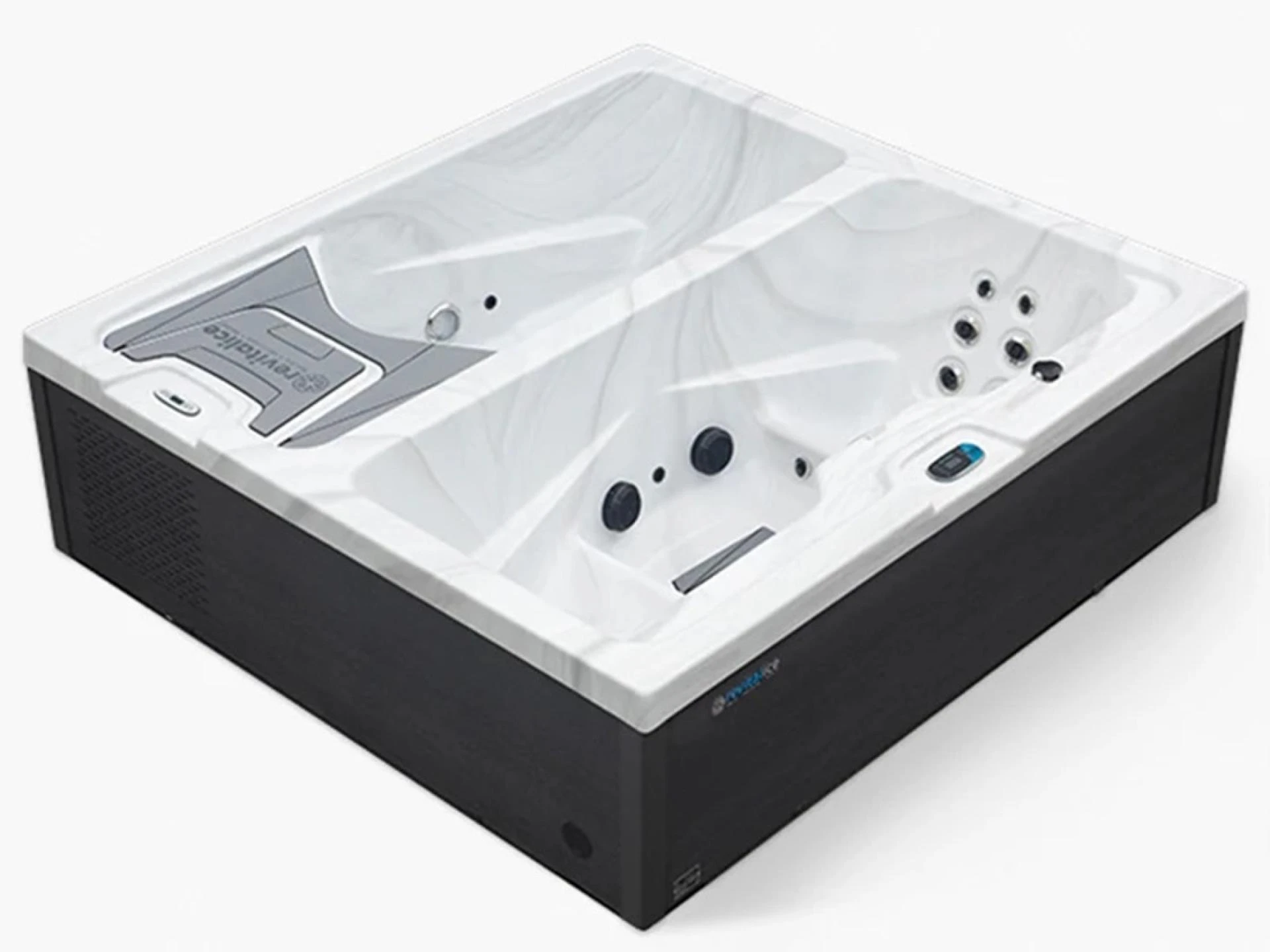
Another key factor behind the trend is accessibility. Ice baths are no longer limited to professional facilities. Affordable portable tubs and DIY setups have made it easy for people to experience cold therapy at home. Whether it’s a backyard plunge tub or a converted bathtub filled with ice, users have found creative ways to incorporate ice baths into their routines.
This convenience has lowered the barrier to entry, allowing more people across the UK to explore the benefits without needing expensive memberships or specialized equipment.
A Lasting Wellness Movement
Ice baths in UK are more than just a passing trend—they represent a shift toward natural, effective wellness practices. As more people experience the physical and mental benefits, the popularity of cold water therapy is likely to continue growing. In the UK, ice baths have become a symbol of resilience, recovery, and a commitment to better health.