
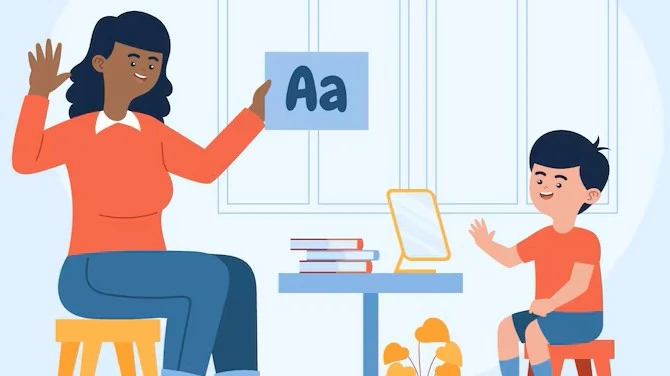
Early childhood education is one of the most influential stages in a child’s development. During these first years, children rapidly absorb knowledge, build communication skills, and develop social awareness. Parents often wonder how to give their child the best start possible before entering kindergarten. One effective solution is working with a professional Pre-K tutor who can provide individualized support and make learning enjoyable.
This article explores why early tutoring matters, the benefits of hiring a Pre-K tutor, what skills children gain, and how to choose the right program for your child.
The Importance of Early Childhood Education
Research consistently shows that children who receive strong early education have long-term advantages in school and beyond. By the age of five, most children have already developed key cognitive and social skills that affect how they perform in the classroom.
A structured approach at this stage helps children:
- Develop early literacy and numeracy foundations.
- Strengthen attention spans.
- Build emotional confidence.
- Cultivate curiosity and love for learning.
While preschools provide group learning, some children benefit from more personalized attention. That is where hiring a Pre-K tutor can make a powerful difference.
What a Pre-K Tutor Offers
1. Individualized Learning Plans
Unlike a traditional classroom, tutoring focuses on the child’s unique pace and style. Whether a child is advanced for their age or needs extra support, a tutor creates lessons tailored to their needs.
2. Early Literacy Support
Pre-K tutors often introduce letter recognition, phonics, and early reading strategies. This gives children a head start in kindergarten, where reading becomes central.
3. Math Readiness Skills
Basic counting, number recognition, shapes, and patterns are introduced in fun and interactive ways. This foundation builds comfort with math later on.
4. Social and Emotional Development
Tutors encourage children to express themselves, solve problems, and build confidence in a safe learning environment.
5. Play-Based Learning
Learning through play is critical in early childhood. A skilled tutor incorporates games, songs, and creative activities to make learning enjoyable.
Benefits of Hiring a Pre-K Tutor
Personalized Attention
Children learn differently. A one-on-one tutor identifies strengths and weaknesses quickly, allowing lessons to focus on the child’s unique development.
Preparation for Kindergarten
A Pre-K tutor ensures children meet and often exceed readiness benchmarks, easing the transition into kindergarten.
Builds Confidence Early
Children who feel supported academically from a young age develop self-confidence that stays with them throughout their education.
Identifies Learning Gaps Early
If a child struggles with language, numbers, or fine motor skills, a tutor notices these gaps and helps address them before they become barriers in school.
Encourages Parental Involvement
Tutors often share strategies with parents, enabling learning to continue at home in daily routines.
What Skills Does a Pre-K Tutor Teach?
While every child’s learning plan is unique, most Pre-K tutoring includes the following areas:
- Language and Literacy
- Alphabet recognition
- Phonics and sound blending
- Vocabulary building
- Storytelling and comprehension
- Math Skills
- Counting objects
- Number recognition
- Sorting and patterns
- Understanding shapes and sizes
- Fine and Gross Motor Skills
- Writing and drawing practice
- Scissor skills
- Coordination games
- Social Development
- Sharing and cooperation
- Following instructions
- Expressing emotions appropriately
- Cognitive Development
- Problem-solving activities
- Memory games
- Creative play
Through these areas, a Pre-K tutor nurtures a well-rounded learner who feels ready for the challenges of school.
The Role of Play in Tutoring
Some parents worry tutoring may feel too structured for young children. However, effective Pre-K tutoring relies heavily on play-based learning.
Examples include:
- Using building blocks to teach math concepts.
- Singing songs to reinforce letter sounds.
- Role-playing games to build language and imagination.
- Art and crafts to encourage creativity and motor skills.
This playful approach keeps children engaged while reinforcing essential skills.
Choosing the Right Pre-K Tutor
When selecting a tutor, parents should consider the following factors:
1. Experience with Early Childhood
Not all tutors specialize in working with very young children. Look for someone trained in early childhood education.
2. Teaching Style
Observe how the tutor interacts with your child. The best tutors are patient, encouraging, and able to make learning fun.
3. Customized Plans
The tutor should assess your child’s strengths and weaknesses, then design lessons that target those needs.
4. Flexibility
Sessions should be scheduled at times when your child is most attentive, often mornings or early afternoons.
5. Positive Reviews or References
Ask other parents about their experiences or look for recommendations.
Choosing a professional Pre-K tutor ensures that your child is guided by someone who understands both academic and developmental milestones.
How Parents Can Support Tutoring at Home
While tutoring sessions are powerful, parents play a crucial role in reinforcing learning. Here are some strategies to use at home:
- Read Daily: Even ten minutes of reading aloud can build vocabulary and listening skills.
- Incorporate Math in Daily Life: Count items while shopping or cooking.
- Encourage Creativity: Provide drawing materials and let children explore freely.
- Limit Screen Time: Replace passive screen time with interactive games or puzzles.
- Celebrate Small Wins: Reward effort and progress to keep motivation high.
When parents and tutors work as a team, children thrive.
Success Stories from Pre-K Tutoring
- A shy 4-year-old who struggled with speech improved vocabulary and began reading simple words with tutoring support.
- A child who had trouble with number recognition became excited about counting games and entered kindergarten with strong math readiness.
- Parents who felt unsure about teaching at home found confidence after learning strategies from the tutor.
These examples show how personalized tutoring creates lasting results.
Long-Term Benefits of Early Tutoring
Hiring a Pre-K tutor isn’t just about kindergarten readiness—it has lifelong benefits:
- Stronger academic performance in elementary school.
- Better problem-solving and critical thinking skills.
- Greater self-esteem and independence.
- Enhanced love for learning that extends into adulthood.
Investing in early education pays off by laying a foundation that supports long-term success.
Conclusion
The preschool years are an extraordinary time of growth and development. Providing children with the right guidance during this stage prepares them for kindergarten and sets them up for lifelong learning success. A Pre-K tutor offers the individualized attention, playful strategies, and academic foundations every child deserves.
By combining professional tutoring with parental involvement, families can ensure their children enter school not only prepared but excited to learn. Choosing the right Pre-K tutor is one of the most valuable investments parents can make in their child’s future.