Hook: A Silent Transformation Underway
In the remote desert of Nevada, vast arrays of solar panels now stretch across thousands of acres, powering millions of homes without a single carbon emission. Meanwhile, offshore wind farms off the coast of Denmark supply clean energy to entire cities, their giant turbines turning steadily in the breeze. These scenes, once futuristic visions, are now commonplace in 2026, reflecting a global shift toward green technology that is quietly revolutionizing how we power, build, and live on Earth.
Despite the increasing urgency of climate change warnings, green tech developments have been accelerating with unprecedented momentum. The International Energy Agency reports that renewable energy capacity has grown by over 20% since 2023, driven largely by innovations in solar, wind, and energy storage technologies. Yet, beyond energy, green tech permeates every sector—transportation, agriculture, manufacturing, and even fashion—offering novel solutions to cut emissions and restore ecological balance.
This article explores the multifaceted green technology landscape in 2026, tracing its origins, analyzing current breakthroughs, and projecting what the coming years might hold. As we uncover these layers, readers will gain a comprehensive understanding of why green tech is not just a buzzword but the backbone of a sustainable future.
Tracing the Roots: How Green Tech Evolved
The story of green technology is one of necessity and ingenuity. The roots date back to the late 20th century when concerns over fossil fuel depletion and environmental degradation spurred initial investments in renewable energy. Early milestones included the commercialization of photovoltaic solar panels in the 1980s and the birth of modern wind turbines in the 1990s.
However, adoption remained limited due to high costs and technological inefficiencies. It was only in the 2010s that a confluence of factors—dramatic cost reductions in solar PV, advances in battery technologies, and international climate agreements like the Paris Accord—propelled green tech into mainstream consciousness.
The 2020s saw the integration of digital technologies, such as AI-driven energy management and blockchain-enabled carbon accounting, further enhancing green tech’s efficiency and transparency. Government incentives worldwide, combined with growing corporate commitments to net-zero goals, created a fertile environment for innovation and deployment.
Yet, the journey was uneven. Developing countries faced challenges in accessing green technologies, while legacy industries resisted transition due to economic interests. These tensions shaped the global green tech narrative leading into 2026, emphasizing the need for equitable technology transfer and robust policy frameworks.
Core Innovations Driving Green Tech Today
At the heart of green tech’s rapid advancement in 2026 are several key innovations that have transcended experimental phases to achieve commercial viability and scalability. These breakthroughs span multiple domains:
- Next-Generation Solar Materials: Perovskite solar cells, combined with traditional silicon panels, now deliver over 35% conversion efficiency, a significant leap from the 20% average just a decade ago. This improvement reduces the cost per watt and enables solar installations on surfaces previously unsuitable for energy generation.
- Grid-Scale Energy Storage: Lithium-ion battery costs have plummeted further, while emerging solid-state and flow battery technologies offer enhanced safety and longevity. These storage solutions balance intermittent renewable supply and demand, enabling 24/7 clean power availability.
- Green Hydrogen Production: Electrolyzers powered by renewables produce green hydrogen at scale, used in heavy industries and transportation sectors where electrification is challenging. This breakthrough addresses decarbonization of steel, cement, and freight.
- Smart Energy Management Systems: AI-powered platforms optimize energy consumption in buildings and factories, reducing waste and peak load stresses on grids. These systems integrate real-time data from IoT sensors to adapt dynamically.
- Carbon Capture and Utilization: Advanced direct air capture technologies have achieved cost reductions, allowing captured CO2 to be converted into commercial products like synthetic fuels and building materials, creating circular carbon economies.
According to industry estimates, global investments in green tech reached $1.2 trillion in 2025, a 25% increase from 2023, reflecting the confidence in these technologies’ scalability and impact.
“The pace of innovation in green tech today is reshaping the energy landscape faster than many predicted just five years ago,” notes Dr. Elena Martinez, a leading sustainability analyst. “It’s no longer about feasibility but about integration and optimization.”
2026 Developments: Green Tech’s New Frontiers
This year has witnessed pivotal developments that mark a turning point for green technology adoption and impact. Among the most notable trends:
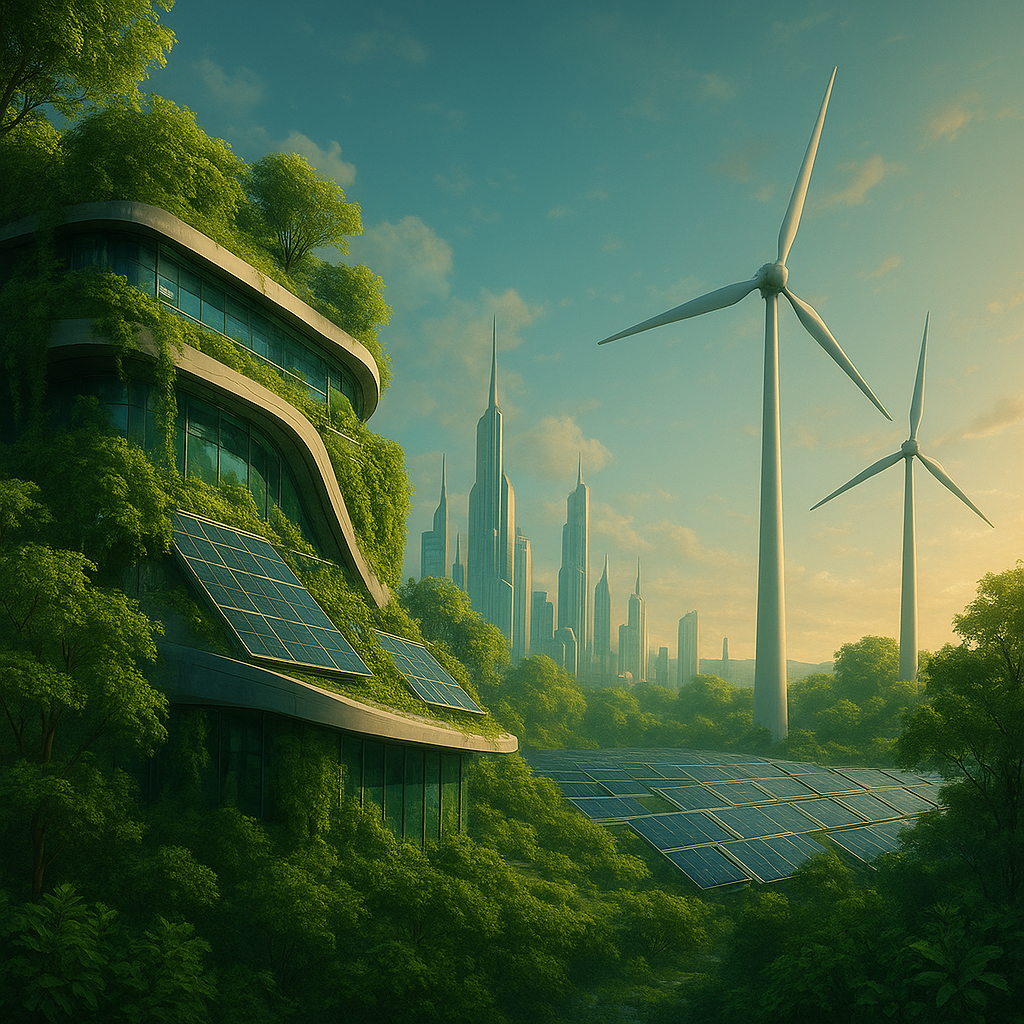
- Urban Green Tech Integration: Cities like Singapore and Copenhagen have expanded large-scale green infrastructure projects, embedding solar windows, vertical gardens, and microgrid systems into urban fabrics. These innovations improve air quality, reduce heat islands, and enhance energy resilience.
- Automotive Electrification Surge: Electric vehicle (EV) sales now surpass 60% of new car sales in Europe and China, driven by improved battery technology and expanded charging infrastructure. Furthermore, solid-state batteries with higher energy density have begun commercial rollout, increasing EV range and safety.
- Agricultural Tech Revolution: Precision farming tools equipped with AI and drones enable efficient water use and reduced fertilizer application, decreasing agriculture’s environmental footprint while increasing yields. Vertical farming and lab-grown foods have also gained mainstream traction.
- Emerging Markets Leapfrogging: Countries in Sub-Saharan Africa and Southeast Asia are deploying decentralized solar mini-grids powered by green tech, accelerating rural electrification and economic development without traditional fossil fuel dependence.
- Policy and Finance Advances: Governments have enacted stricter carbon pricing and incentivized green bonds, channeling private capital into sustainable infrastructure and technologies.
These developments are not isolated; they form a systemic shift. For instance, the synergy between urban green infrastructure and smart grids is enhancing energy efficiency while improving quality of life. Meanwhile, the automotive sector’s electrification is influencing battery recycling industries and raw material sourcing sustainability.
“Green technology in 2026 is no longer an option but a necessity embedded in every sector’s DNA,” states Maya Chen, CEO of a leading clean tech venture capital firm. “The challenge now is scaling responsibly and inclusively.”
Expert Perspectives: Industry and Environmental Impact
Leading experts emphasize that green tech’s true potential lies not just in innovation but in the socio-environmental systems it influences. Dr. Rajiv Nair, an environmental economist, argues that green tech catalyzes a triple dividend: environmental restoration, economic growth through green jobs, and social equity.
He explains, “By investing in renewable infrastructure and sustainable agriculture, we create resilient communities less vulnerable to climate shocks and energy price volatility.” This view is echoed by corporate sustainability officers who report enhanced brand loyalty and operational efficiencies from greening their supply chains.
However, challenges remain. The mining of critical minerals like lithium and cobalt for batteries raises ethical and environmental concerns, demanding improved recycling technologies and alternative materials research. Additionally, the digital divide risks leaving marginalized populations behind as advanced green technologies become mainstream.
Industry leaders are responding by fostering cross-sector partnerships, integrating circular economy principles, and prioritizing transparency in environmental, social, and governance (ESG) metrics. These approaches aim to ensure that green tech advances do not come at new costs to people or planet.
For deeper insights, readers can explore How Green Tech Is Transforming Sustainability Beyond the Buzz and Rethinking Sustainability: What 2026 Reveals About Our Green Future.
Looking Ahead: What to Watch in Green Tech’s Next Phase
As green technology expands its footprint, several critical trajectories will define its future impact:
- Integration of AI and Green Tech: The fusion of artificial intelligence with environmental technologies will enhance predictive maintenance of renewable assets, optimize energy markets, and fine-tune carbon management.
- Decentralized Energy Systems: Community-owned microgrids and peer-to-peer energy trading platforms will empower consumers and accelerate energy democratization.
- Green Tech in Emerging Sectors: Innovations targeting hard-to-abate sectors, such as aviation and shipping, including sustainable aviation fuels and electric freight vessels, will gain momentum.
- Material Innovation and Circularity: Bio-based and recyclable materials will disrupt traditional manufacturing, reducing waste and emissions across industries.
- Global Policy Harmonization: International cooperation on standards, carbon markets, and technology transfer will be pivotal to scaling green tech equitably.
Stakeholders from policymakers to consumers must remain vigilant and proactive to ensure green tech fulfills its promise. Strategic investments, education, and inclusive governance will be essential pillars supporting this transition.
For those beginning to explore this domain, Starting Your Journey in Green Tech: Essential Steps for Meaningful Impact offers practical guidance on engaging with this transformative field.
In conclusion, green technology is no longer a distant ideal but a vibrant, dynamic force reshaping how humanity interacts with the planet. Its continuing evolution will determine not only the trajectory of climate change but also the quality of life for generations to come. The quiet revolution is underway—its outcomes depend on choices made now.