The Subtle Revolution: How Gadgets Became Everyday Essentials
Imagine waking up to a morning where your home senses your mood, your coffee machine starts brewing the perfect cup, and your wrist device adjusts your daily schedule based on real-time stress levels. This is not science fiction; this is the reality for millions in 2026. The pace at which gadgets have permeated daily life is unprecedented, transforming from mere tools into near-extensions of ourselves. In the last decade, technological advances have accelerated, turning once-novel devices into essential companions. According to industry estimates, global consumer gadget shipments exceeded 3.5 billion units in 2025, a figure that highlights their ubiquity.
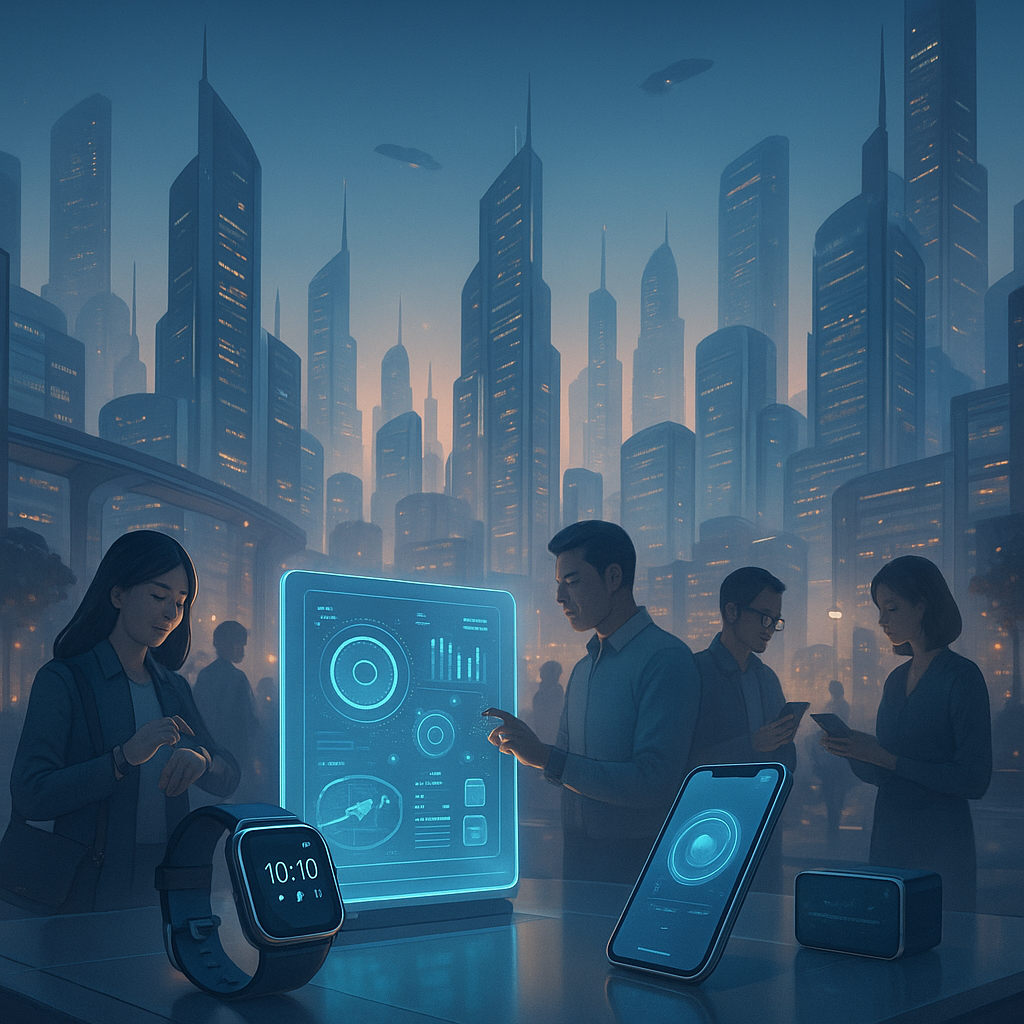
What was once a landscape dominated by smartphones and laptops now features a sprawling ecosystem of interconnected devices — from smart wearables monitoring health metrics in real time, to augmented reality (AR) glasses overlaying information seamlessly as users navigate their environments. This integration has shifted the perception of gadgets from luxury to necessity.
At the heart of this transformation lies the convergence of artificial intelligence, miniaturization, and enhanced connectivity. These factors have enabled gadgets to evolve from isolated functions into intelligent systems that anticipate and respond to user needs. The implications ripple beyond convenience, touching on productivity, health, and even interpersonal communication.
“Gadgets today are less about the hardware and more about the experience they create — an experience that adapts and grows with the user.” — Dr. Lena Moritz, Tech Futurist
Tracing the Trajectory: From Early Innovations to Today’s Intelligent Devices
To understand the current gadget landscape, it is vital to look back at the technological milestones that paved the way. The 2010s marked a surge in smartphone adoption, catalyzing the mobile-first era. Early wearables like fitness trackers emerged mid-decade, initially limited in function but planting the seeds for health-focused innovation.
The 2020s then witnessed breakthroughs in AI integration and wireless technology, culminating in the popularization of smart home ecosystems. By 2023, voice-activated assistants were embedded not only in phones but also in household appliances, lighting systems, and vehicles. The subsequent years saw the refinement of these devices, emphasizing context-aware intelligence and personalization.
Parallel to these developments, the miniaturization of sensors and advances in battery technology allowed gadgets to become less obtrusive and more durable, encouraging continuous wear and use. The introduction of flexible OLED displays and energy-harvesting materials in 2024 further expanded form factors, enabling new device categories such as smart textiles and implantable health monitors.
Moreover, the increasing adoption of 5G and the onset of 6G trials in late 2025 have drastically improved data speeds and latency, making real-time inter-device communication seamless. This network evolution underpins the gadget ecosystem’s expansion into immersive AR and virtual reality (VR) applications, which rely heavily on rapid data transfer and low latency.
“The fusion of AI, wireless networks, and sensor tech has transformed gadgets from standalone tools into contextually aware collaborators.” — Kai Nguyen, Senior Analyst at TechInsights
Data-Driven Insights: The Numbers Behind Gadget Adoption and Impact
Analyzing recent market data offers a clear view of how gadgets are reshaping technology consumption. According to recent market reports, smart wearable shipments grew by over 18% year-over-year in 2025, with smart glasses and health monitoring devices leading the surge. In contrast, traditional smartphone growth has plateaued in mature markets, signaling a saturation point but also a diversification in device preferences.
Key figures from 2025 highlight:
- 3.5 billion consumer gadgets shipped globally, including wearables, smart home devices, and personal assistants.
- 22% market share increase in smart home appliances compared to 2023.
- 35% of users in North America and Europe using AR glasses daily for work and leisure.
- 40% reduction in reported device downtime due to advances in self-diagnosing and repair algorithms embedded in gadgets.
These numbers reflect not just quantity but quality improvements. For instance, battery life has improved on average by 30% across major gadget categories, extending usage time and reducing user frustration. Additionally, interoperability standards sharpened in 2025 have allowed cross-brand device communication to flourish, making ecosystems more cohesive.
The economic impact is also significant. The global gadget economy is now estimated at $1.2 trillion in annual revenue, supporting millions of jobs worldwide in design, manufacturing, software development, and service sectors. The growing emphasis on sustainability has spurred innovation in recyclable materials and energy-efficient components, aligning gadget development with global environmental goals.
Comparatively, the gadget market’s health and fitness segment has outpaced others, driven by increased consumer health consciousness post-pandemic. Devices now offer real-time biometric feedback, stress analysis, and predictive health alerts, contributing to improved preventative care.
The 2026 Landscape: Emerging Trends and Breakthroughs
In 2026, the gadget industry stands at a pivotal juncture, marked by several notable trends that promise to redefine user experience further. One dominant theme is the rise of empathetic technology — gadgets that understand and respond to human emotions. Recent advances in affective computing enable devices to analyze vocal tone, facial expressions, and physiological signals to tailor interactions sensitively.
Another breakthrough is the widespread adoption of quantum-inspired processors in high-end gadgets. These processors facilitate complex computations at unprecedented speeds, enabling enhanced AI functionality directly on devices without relying solely on cloud connectivity, thus improving privacy and responsiveness.
Augmented reality continues to blur the boundaries between digital and physical worlds. New AR glasses launched this year feature ultra-lightweight designs with solar recharging capabilities, significantly extending outdoor usage. These glasses integrate seamlessly with personal AI assistants, providing contextual information, language translation, and navigation aids in real time.
Additionally, modular gadget architectures have gained traction. Consumers can now upgrade components like cameras, sensors, or batteries independently, prolonging device lifespans and reducing electronic waste. This shift aligns with regulatory pressures and consumer demand for sustainability.
Connectivity innovations are also underway. Hybrid 5G/6G devices are becoming mainstream, offering ultra-low latency crucial for applications like remote surgery, real-time collaboration, and immersive gaming. Edge computing integration enables gadgets to process data locally, enhancing speed and reliability.
On the software front, privacy-preserving technologies such as federated learning are embedded in gadgets, allowing AI models to improve without compromising user data. This is vital as consumers grow more cautious about digital privacy.
Perspectives from Industry Leaders and Impact on Daily Life
Experts across the technology sector agree that gadgets are no longer just products; they are gateways to a smarter, more connected lifestyle. Industry leaders emphasize the importance of designing with empathy and inclusivity to ensure gadgets serve diverse populations effectively.
Dr. Maya Chen, Chief Innovation Officer at NexaTech, states, “We are witnessing a shift where gadgets anticipate needs rather than react. The future is about intuitive interfaces supported by AI that respect user privacy and foster wellbeing.” This vision reflects an increasing trend of gadgets that support mental health, accessibility, and personalized learning.
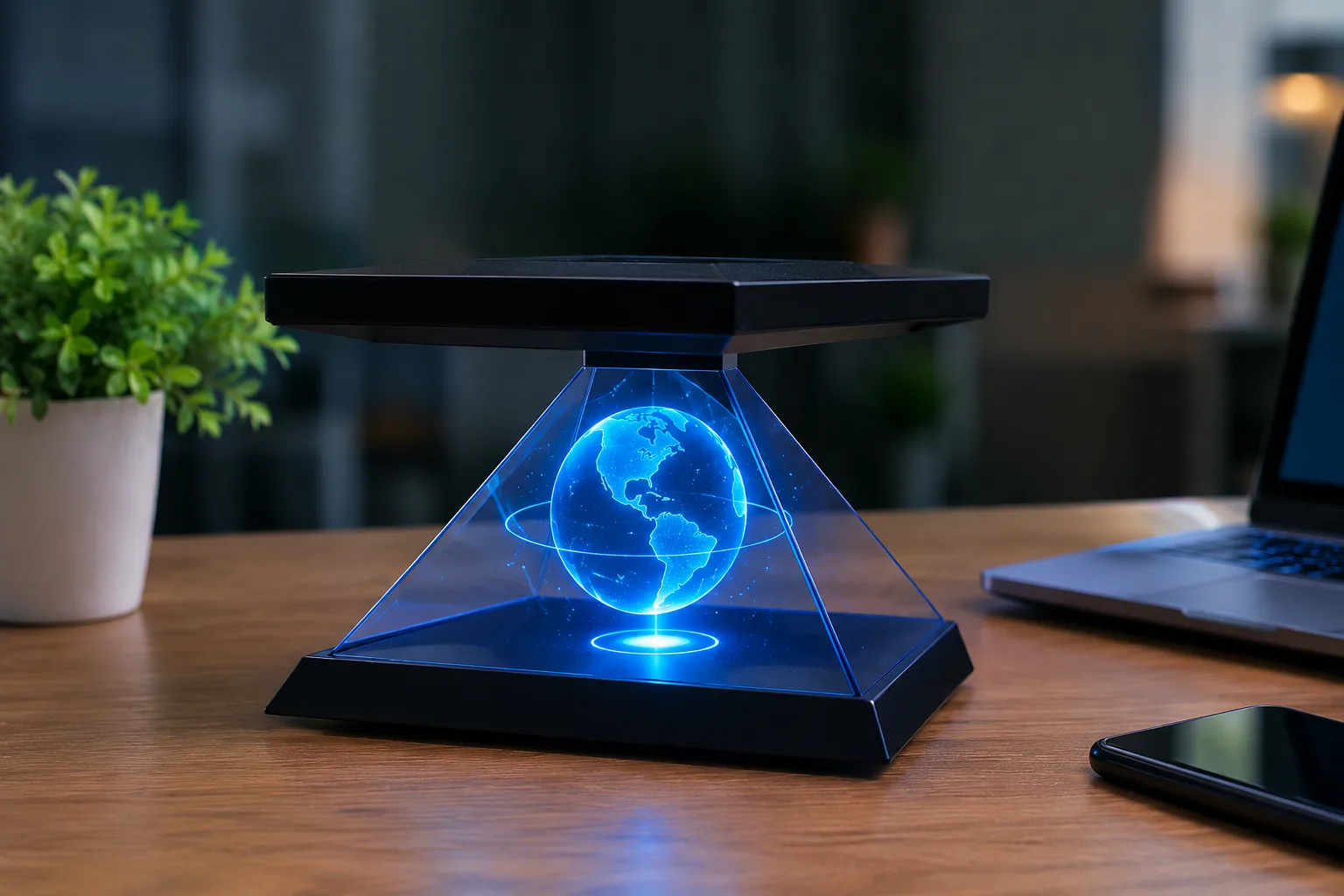
The impact on work environments is also profound. Hybrid and remote work models have driven demand for gadgets that facilitate seamless communication and productivity. Devices equipped with holographic displays and spatial audio are becoming standard in corporate settings, enabling immersive virtual meetings.
From a societal viewpoint, gadgets contribute to bridging digital divides. Affordable smart devices with multilingual interfaces are expanding access to education and healthcare in underserved regions. Initiatives promoting gadget recycling and refurbishing are gaining momentum, reducing environmental footprints.
Consumer expectations are evolving as well. People seek gadgets that prioritize longevity, repairability, and ethical sourcing. This has pressured manufacturers to adopt transparent supply chains and sustainable manufacturing practices.
“Gadgets are becoming partners in our lives, not just tools. Their design must reflect human values and societal needs.” — Elena Rodriguez, Sustainable Tech Advocate
Looking Ahead: What the Future Holds for Gadgets
As we look beyond 2026, the trajectory of gadgets points toward deeper integration with human biology and environment. Biometric and neural interface devices in development promise to transform how humans interact with technology, potentially enabling thought-controlled gadgets and real-time health monitoring at unprecedented detail.
Advances in materials science may soon yield gadgets that self-heal minor damages and adapt their form factor dynamically to user activities. Such devices could revolutionize wearables and implantables, making them more comfortable and durable.
The expansion of AI capabilities embedded within gadgets will likely enhance personalization, creating experiences that evolve continuously with users’ habits and preferences. This evolution raises important ethical questions around autonomy, data security, and consent that the industry must address proactively.
From a market perspective, expect increased collaboration between tech companies and sectors such as healthcare, education, and entertainment. Gadgets will increasingly serve as platforms for integrated services, blurring lines between hardware and software ecosystems.
Consumers and businesses alike should focus on:
- Prioritizing privacy and security in gadget use and development.
- Embracing modular and sustainable designs to extend device lifecycles.
- Leveraging gadgets to enhance wellbeing, productivity, and inclusivity.
- Staying informed about new technologies like quantum-inspired processors and empathetic AI.
- Supporting initiatives that bridge digital divides and promote ethical sourcing.
For a deeper understanding of these advanced strategies transforming gadgets, readers can explore Unlocking Hidden Potential: Advanced Strategies Transforming Gadgets Today and the recent insights from April 2026: The Transformative Wave of Gadgets Shaping Our Future. These articles provide comprehensive coverage of the technological and societal shifts driving the gadget revolution.