Camping in remote spots is one of the best ways to get away from noise and reconnect with nature. But remote places often lack power. That makes it hard to use devices, charge batteries, or run small appliances. Folding solar panels solve this problem. They are compact, lightweight, and easy to use. This blog explains why folding solar panels are an ideal choice for remote camping and for people who travel in caravans.
What are Folding Solar Panels?
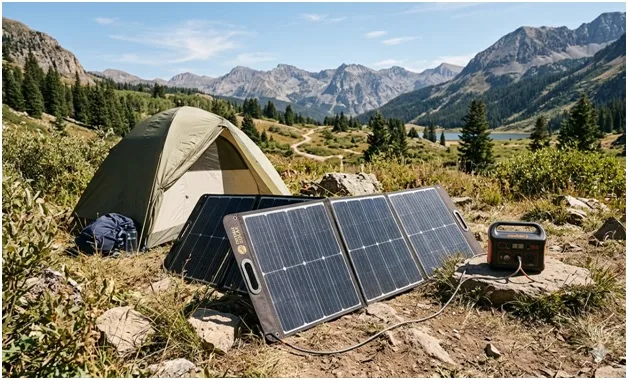
A folding solar panel is a portable solar array built into a case or hinged sections. Each section has one or more solar cells. When folded, the unit becomes flat and compact. When opened, it exposes a larger surface to the sun. Many models include a carry handle, built-in kickstand, or protective cover. Some have an integrated charge controller and outputs for USB, 12V, or DC connectors.
Benefits for Remote Camping
Portability and Low Weight
Folding solar panels are light and easy to carry. Hikers and campers can put them in a backpack or vehicle without much hassle. This makes them perfect for tents, shelters, or off-grid cabins. You don’t need a heavy battery bank or a generator to get basic power.
Fast Setup and Use
Setting up a folding solar panel takes minutes. Lay it on the ground, angle it toward the sun, and connect your device. There is no need to install permanent mounts or run cables. This speed is useful for short stays or when you move campsites frequently.
Good Efficiency for Small Loads
Modern folding solar panels use high-efficiency solar cells. These deliver enough power to keep devices charged during the day. For basic power needs—lighting, communications, and small appliances—a folding solar panel is often enough. When paired with a small battery or power bank, it provides reliable overnight power.
Why Caravans Use Folding Solar Panels
Space-Saving Design
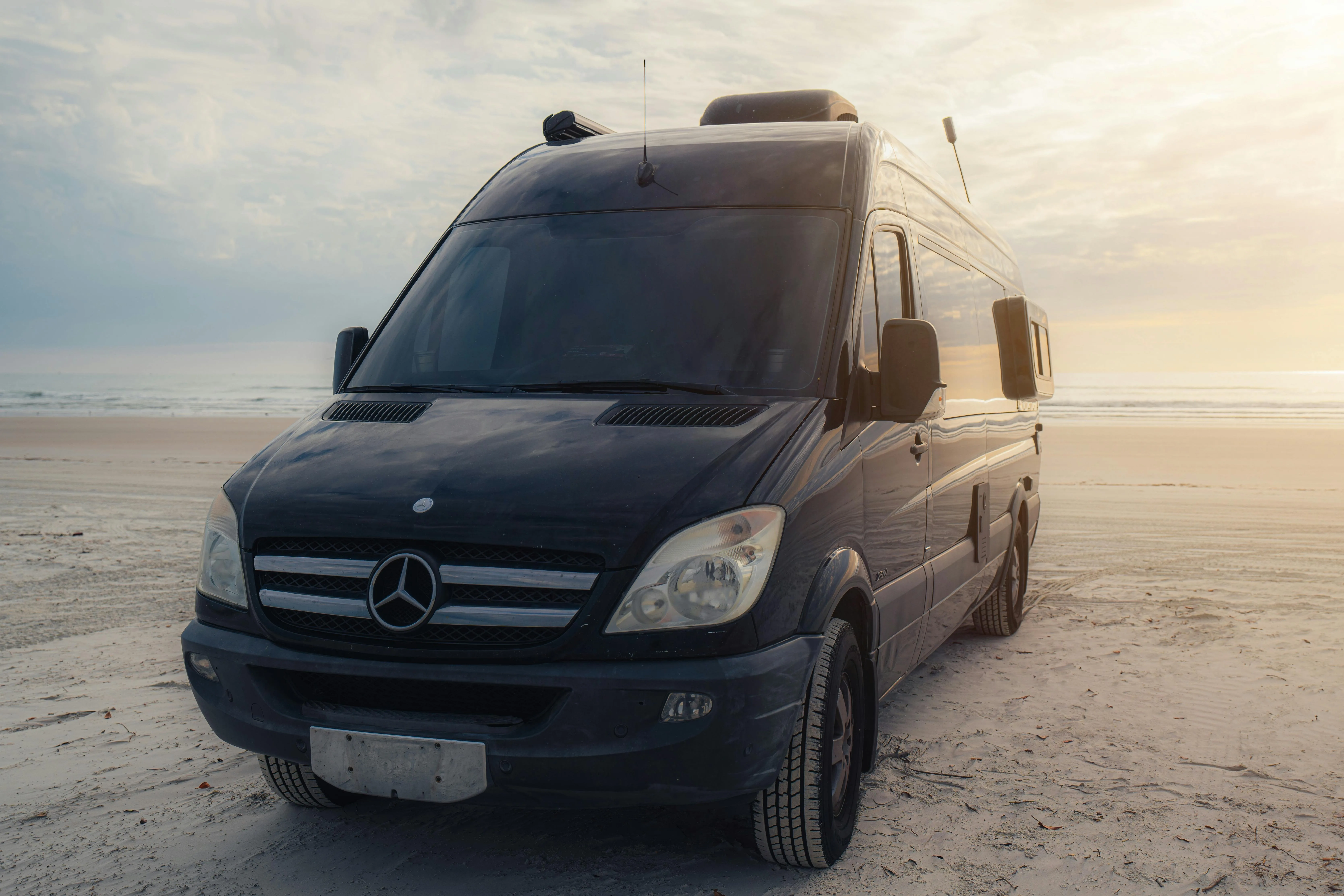
Caravans usually have limited storage space. Folding solar panels can be folded flat and stowed easily. They allow travelers to carry extra solar capacity without taking up permanent roof space. This is useful for people who rent or use multiple vehicles.
Supplemental Power
Folding solar panels for caravans provide supplemental power to the caravan’s main electrical system. They can top up leisure batteries during the day. This reduces the need to run the vehicle engine for charging or to rely on campsite hookups.
What to Consider When Choosing a Folding Solar Panel
Power Output and Wattage
Choose a folding solar panel with enough wattage for your needs. Small units (10–30W) can charge phones and small devices. Medium units (50–120W) can run fridges, charge batteries, and support campervan appliances. Larger folding solar panels are available, but check the weight and size before buying.
Port Types and Compatibility
Check the output ports. USB-A and USB-C are handy for phones and tablets. 12V outputs and DC tips work with camping fridges, lights, and battery chargers. Some panels include an integrated MPPT or PWM charge controller; others require an external controller when charging 12V battery systems.
Compatibility with Battery Systems
If you plan to charge a caravan or portable battery, make sure the folding solar panel works with your battery type (lead-acid, AGM, GEL, or lithium). If the panel lacks an internal charge controller, buy an MPPT controller for improved charging efficiency and battery protection.
Practical Tips for Using Folding Solar Panels While Camping
Positioning for Maximum Sun
Point the panel toward the sun for the best output. Early morning and late afternoon produce less power than midday. Use a fold-out stand or prop the panel on rocks to get the ideal angle. For best results, reorient the panel every 1–2 hours as the sun moves.
Avoid Shade and Reflections
Even small shadows can cut output dramatically. Keep the panel clear of shade from trees, tents, and people. Avoid placing shiny objects nearby that can reflect light away from the panel surface.
Store and Transport Carefully
Folded panels are built to be transportable, but they still need care. Keep them in their case, and avoid placing heavy items on top. Clean the surface with a soft cloth to remove dust and dirt before and after use.
Common Myths and Facts
Myth: Folding Panels Don’t Generate Enough Power
Fact: Modern folding solar panels can have high-efficiency cells that produce enough energy for common camping needs. Wattage and sunlight exposure determine real output.
Myth: They Are Fragile and Break Easily
Fact: Quality folding solar panels are designed for outdoor use and are rugged. Look for reinforced edges and good warranties.
Example Setup for a Weekend Camping Trip
- Folding solar panel: 80W, folding design with carry handle.
- MPPT charge controller: Matches panel to a 12V battery.
- Battery pack: 100–200Wh portable power station or a 12V leisure battery.
Conclusion
Folding solar panels bring practical power to remote camping. They are portable, easy to use, and flexible. For caravans, they add useful supplemental power and a portable backup option. Choosing the right wattage, connectors, and build quality will make a folding solar panel one of the most helpful tools on your next trip off the grid. Use a battery buffer for overnight needs and follow simple setup tips to get the most from your solar kit.
Original Source: https://digitalzoneblog.com/folding-solar-panels/