

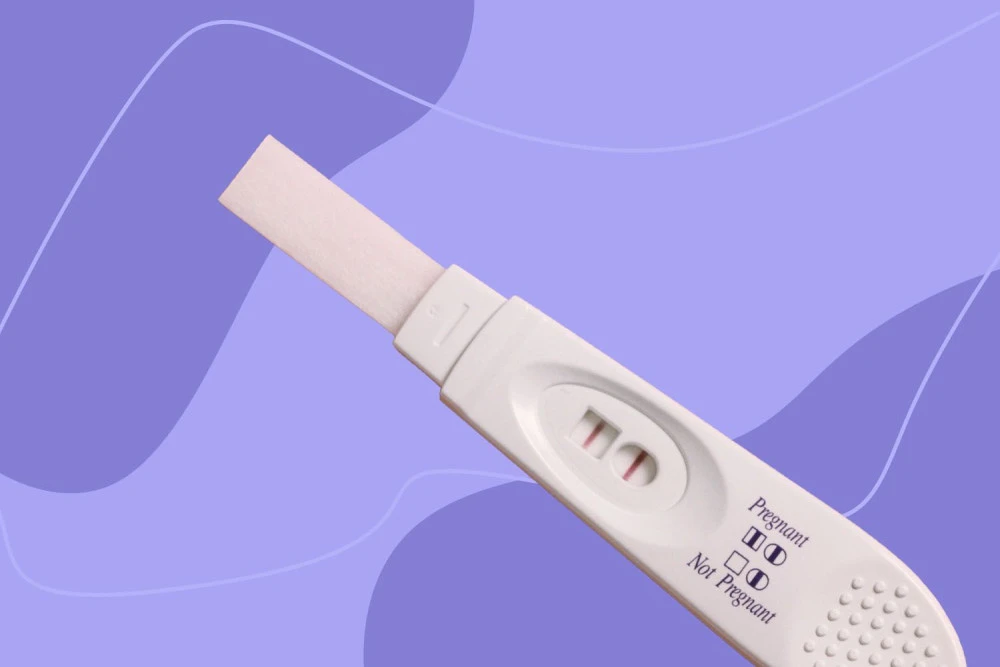
Planning for a baby is one of life's most exciting journeys. However, many couples overlook a crucial step in their preparation. Understanding your reproductive health before conception can make all the difference.
Understanding Your Reproductive Health
Every couple's fertility journey is unique and deeply personal. Some conceive easily while others face unexpected challenges along the way. Knowing your fertility status early helps you make informed decisions. It also allows you to address potential issues before trying.
Medical experts recommend preconception health assessments for all couples planning pregnancy. These evaluations provide valuable insights into your reproductive system's functioning. They can identify hidden conditions that might affect conception chances. Early detection means early intervention and better outcomes for everyone.
What Happens During Fertility Evaluations
A comprehensive fertility assessment examines multiple aspects of reproductive health. For women, doctors typically check ovarian reserve and hormone levels. They also evaluate the uterus and fallopian tubes for abnormalities. Blood tests reveal important information about ovulation patterns and egg quality.
Men undergo semen analysis to assess sperm count and quality. Hormone testing helps identify any endocrine system imbalances affecting fertility. Genetic screening can uncover inherited conditions that impact reproductive success. These tests are painless and provide crucial information quickly.
Detecting Common Reproductive Issues Early
Polycystic ovary syndrome affects millions of women worldwide each year. This hormonal disorder can significantly reduce fertility if left untreated. Early diagnosis through screening allows for proper management and treatment. Endometriosis is another condition that often goes undetected for years.
Thyroid disorders can severely impact both conception and pregnancy outcomes. Simple blood tests can identify these issues before complications arise. For men, varicocele and low sperm count are common concerns. Identifying these problems early improves treatment success rates dramatically.
The Role of Age in Fertility
Age plays a significant role in reproductive health for everyone. Women's fertility naturally declines after their early thirties accelerate significantly. Men also experience decreased sperm quality as they get older. Understanding your age-related fertility status helps with family planning decisions.
Fertility screening tests can reveal your actual reproductive age versus your chronological. This information proves invaluable when making decisions about conception timing. Couples can plan accordingly and explore options if necessary. Knowledge empowers you to take control of your reproductive future.
Preventing Pregnancy Complications Through Early Detection
Undiagnosed fertility issues can lead to serious pregnancy complications later. Conditions like uterine fibroids may cause miscarriage or preterm labor. Blocked fallopian tubes increase the risk of dangerous ectopic pregnancies. Blood clotting disorders can threaten both mother and baby's health.
Screening identifies these risks before pregnancy begins, not during it. Doctors can then implement preventive measures or recommend appropriate treatments. This proactive approach significantly reduces complications during pregnancy and delivery. It ensures safer outcomes for both mother and child.
Optimizing Your Chances of Conception
Understanding your fertile window maximizes your chances of getting pregnant. Hormone testing reveals exactly when ovulation occurs each month precisely. This knowledge helps couples time intercourse for optimal conception success. It eliminates months of guesswork and frustration for many.
Some couples discover they need minor lifestyle adjustments to improve fertility. Others may require medical interventions like ovulation induction or surgery. Early screening provides time to implement these changes before trying. This preparation often leads to faster conception and healthier pregnancies.
Genetic Screening Benefits for Future Children
Carrier screening tests identify genetic conditions you might pass on. Many people carry recessive genes for serious inherited disorders unknowingly. Testing both partners reveals risks before conception occurs naturally. This information allows couples to make informed reproductive choices together.
Conditions like cystic fibrosis and sickle cell disease are preventable. Thalassemia and Tay-Sachs disease can also be identified early. Genetic counselors help couples understand their test results thoroughly. They discuss options, including IVF with genetic testing if needed.
Emotional and Financial Benefits of Screening
Fertility challenges can create enormous emotional stress for couples everywhere. Unexpected infertility diagnosis during pregnancy attempts causes significant anxiety and depression. Proactive screening reduces this emotional burden through early awareness and planning.
Financial planning becomes easier when you know your fertility status. Fertility treatments can cost thousands of dollars without insurance coverage. Early detection allows time to save money or explore coverage. It also helps couples budget for potential medical interventions.
When to Schedule Your Fertility Assessment
Most experts recommend screening six months before trying to conceive. This timeline allows for treatment of any discovered issues. It also provides time for lifestyle modifications to take effect. Women over thirty-five should consider screening even earlier.
Couples with known risk factors shouldn't wait to get evaluated. Previous pregnancy losses or irregular menstrual cycles warrant immediate assessment. Men with past testicular injuries or infections should seek testing. Family history of infertility or genetic disorders also requires attention.
What to Expect After Your Screening
Test results typically arrive within one to two weeks maximum. Your healthcare provider will explain findings in detail during consultation. Normal results provide peace of mind and confidence moving forward. Abnormal findings lead to personalized treatment plans and recommendations.
Many fertility issues respond well to medication or minor procedures. Others may require assisted reproductive technologies like IVF or IUI. Your doctor will discuss all available options based on results. Remember that most fertility challenges are treatable with modern medicine.
Taking Charge of Your Reproductive Journey
Knowledge is power when planning for pregnancy and parenthood ahead. Fertility screening provides essential information for making informed reproductive decisions. It identifies potential obstacles before they become serious problems later. This proactive approach leads to healthier pregnancies and happier outcomes.
Don't leave your fertility to chance or hope alone. Schedule a comprehensive preconception evaluation with your healthcare provider today. Discuss your medical history, lifestyle factors, and family planning goals. Take the first step toward a healthy pregnancy journey.
Your future family deserves the best possible start in life. Understanding your reproductive health is an investment in tomorrow's happiness. Whether results are normal or reveal concerns, knowledge empowers action. Early screening transforms uncertainty into confidence and preparation into success.


