Preparing students for real-world healthcare careers demands more than memorization and static diagrams. Within the first stages of modern instruction, tools like a virtual anatomy table have already begun transforming how learners interact with complex biological systems, making lessons more dynamic, visual, and career-focused. Educators increasingly recognize that immersive technology bridges the gap between theory and application, helping students build confidence, accuracy, and critical thinking from the very beginning.

Transforming Anatomy Education Through Immersion
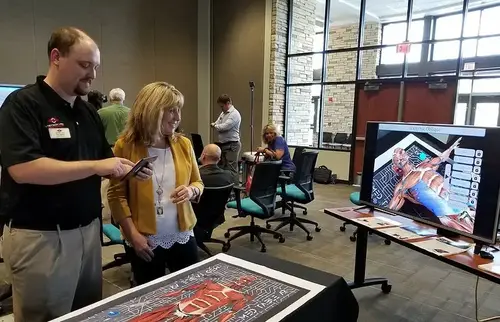
Traditional anatomy instruction often relies on textbooks, charts, or fragile physical models. While these methods provide foundational knowledge, they rarely capture the complexity of the human body in motion. A virtual anatomy table changes that completely by allowing students to explore 3D anatomical structures in real time. Learners can rotate organs, zoom into tissues, and examine systems from multiple angles.
This level of interaction strengthens spatial understanding. Instead of imagining how systems connect, students actively see relationships unfold. As a result, they retain information longer and develop a clearer grasp of physiological processes. Educators also notice increased engagement, as students naturally gravitate toward hands-on exploration rather than passive observation.
Bridging the Gap Between Classroom Learning and Career Readiness
Health science programs aim to prepare students for clinical environments. However, many learners struggle to connect classroom theory with real-world application. By integrating a virtual anatomy table, programs create a bridge between academic knowledge and practical skills.
Students begin to think like healthcare professionals early in their education. They analyze anatomical structures, simulate procedures, and observe dynamic processes such as blood flow or organ function. These experiences mirror real clinical reasoning, which strengthens decision-making skills.
Additionally, this approach supports career pathways in nursing, allied health, and medical fields. When students engage with realistic simulations, they gain confidence before entering labs, internships, or certification programs. That confidence directly impacts performance and long-term success.
Encouraging Collaborative and Interactive Learning Environments
Modern classrooms thrive on collaboration, and technology plays a key role in fostering it. A virtual anatomy table supports group-based learning by allowing multiple students to interact with the same model simultaneously. Small teams can explore systems together, discuss findings, and solve problems collectively.
Educators can also project content onto larger screens, guiding discussions and encouraging participation across the entire class. This setup transforms lessons into shared experiences rather than isolated tasks.
Interactive features such as built-in quizzes further reinforce learning. Students receive immediate feedback, which helps them identify gaps and improve quickly. Over time, this continuous reinforcement builds stronger academic performance and deeper understanding.
Making Advanced Learning Tools Accessible and Practical
Cost and accessibility often limit the adoption of advanced educational tools. Traditional cadaver labs require significant resources, while physical models can break or become outdated. A virtual anatomy table offers a more practical and scalable solution.
Many systems come as complete, classroom-ready kits. These include tablets, interactive software, and durable components that support long-term use. Educators can set up lessons quickly without extensive technical training.
Moreover, regular updates ensure that content stays aligned with current medical standards. This adaptability allows institutions to keep pace with evolving healthcare practices without constantly replacing equipment.
For example, platforms like MedTableAR demonstrate how augmented reality can deliver high-quality anatomy education in a portable and cost-effective format. Such tools highlight how innovation continues to reshape classroom possibilities.
Enhancing Engagement Through Visual and Experiential Learning
Students learn best when they actively participate in the process. Visual and experiential learning methods significantly improve comprehension, especially in complex subjects like anatomy. A virtual anatomy table brings these methods to life by combining 3D visualization with interactive exploration.
Learners no longer rely solely on imagination. Instead, they observe how systems function in real time, which makes abstract concepts easier to understand. This clarity reduces frustration and increases motivation.
Engagement also leads to better outcomes. When students feel interested and involved, they invest more effort in their studies. Over time, this consistent engagement translates into improved retention, higher test scores, and stronger practical skills.
Supporting Educators with Flexible Teaching Tools
Educators need tools that adapt to different teaching styles and classroom needs. A virtual anatomy table offers flexibility that traditional resources cannot match. Teachers can customize lessons, focus on specific systems, and adjust the pace based on student understanding.
This adaptability benefits diverse learning environments, from middle school STEM programs to advanced health science courses. Instructors can simplify concepts for beginners or introduce detailed analysis for advanced learners.
Furthermore, the integration of technology aligns with modern educational standards. Many programs now emphasize digital literacy and innovative teaching methods. By adopting advanced tools, educators position their curriculum at the forefront of educational excellence.
Conclusion
Health science education continues to evolve, and institutions must adapt to meet the demands of modern healthcare training. By integrating a virtual anatomy table, programs enhance engagement, improve comprehension, and support career readiness. These tools create immersive, collaborative, and flexible learning environments that prepare students for real-world challenges. As technology advances, adopting solutions like a virtual anatomy table ensures that health science programs remain relevant, effective, and aligned with future medical education pathways.