Data has become the backbone of modern business operations. From customer databases and financial records to emails and business applications, organizations rely on digital information to function effectively. Unfortunately, data loss incidents continue to rise due to ransomware attacks, hardware failures, human errors, and natural disasters. As a result, businesses are increasingly investing in backup appliances to ensure data availability and business continuity.
Understanding Backup Appliances
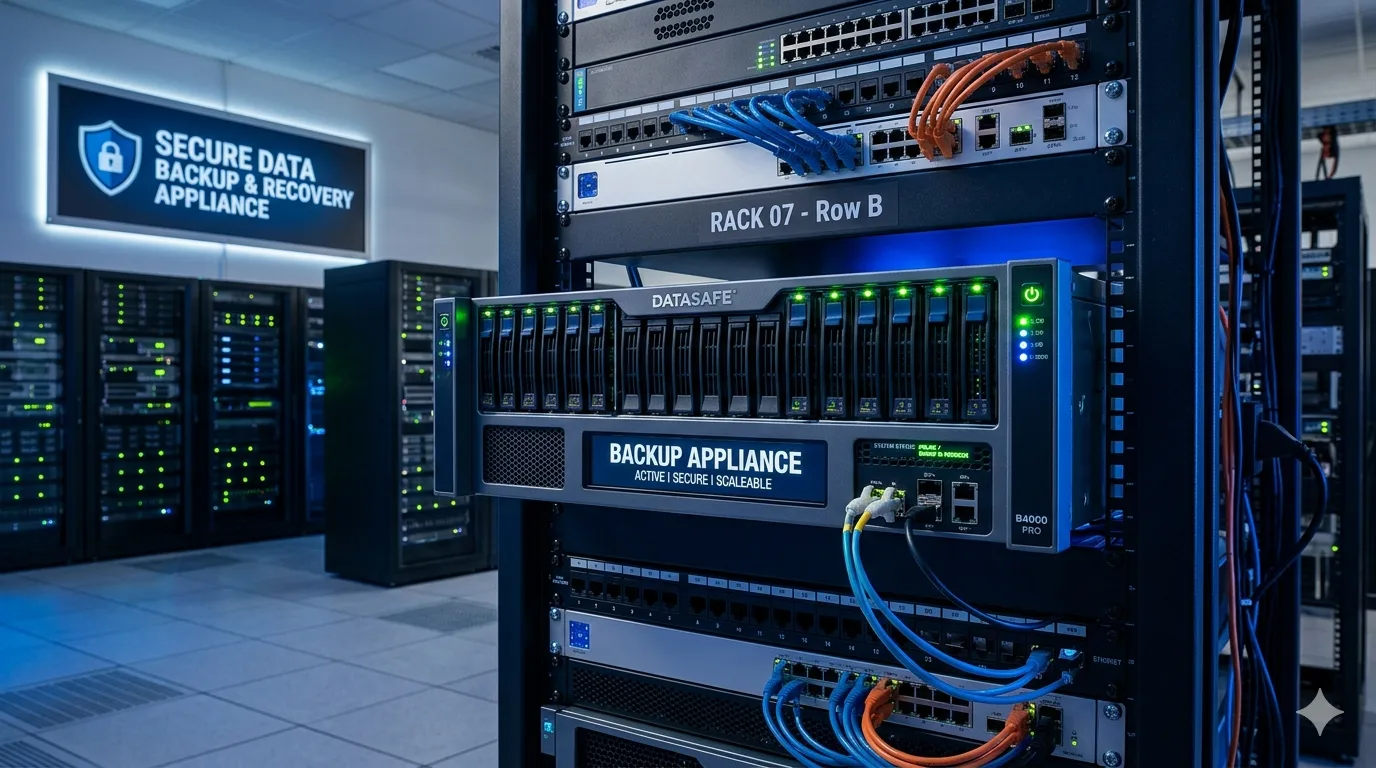
A backup appliance is a purpose-built solution that combines backup software, storage, and management tools into a single system. Unlike traditional backup environments that require multiple components working together, backup appliance provide a streamlined approach to protecting critical business data.
These systems are designed to automate backup processes, simplify administration, and provide rapid recovery when data loss occurs. Whether deployed on-premises, in hybrid environments, or integrated with cloud platforms, backup appliances offer organizations a reliable way to secure their most valuable digital assets.
The Growing Need for Reliable Data Protection
The business landscape has changed dramatically over the past decade. Companies now generate more data than ever before, while cybercriminals have become increasingly sophisticated. According to industry reports, ransomware attacks can cripple organizations within minutes, encrypting critical files and demanding hefty payments for their release.
In such situations, having a backup appliance can make the difference between a quick recovery and prolonged downtime. Instead of paying ransom or rebuilding systems from scratch, businesses can restore clean copies of their data and resume operations quickly.
Key Features of Modern Backup Appliances
Today's backup appliances are equipped with advanced technologies that go beyond simple data storage. Common features include:
Automated Backups
Organizations can schedule backups automatically, reducing the risk of missed backups and human error.
Data Deduplication
Deduplication eliminates redundant copies of data, allowing businesses to store more information while reducing storage costs.
Data Encryption
Backup appliances protect sensitive information through encryption during both storage and transmission.
Immutable Backups
Many modern solutions offer immutable storage, preventing backup data from being altered or deleted by ransomware or malicious users.
Cloud Connectivity
Backup appliances often integrate with public and private cloud environments, enabling hybrid backup and disaster recovery strategies.
Fast Recovery
Quick restoration capabilities help organizations minimize downtime and maintain productivity during unexpected outages.
Business Benefits of Backup Appliances
Improved Operational Continuity
Unexpected downtime can lead to significant financial losses. Backup appliances ensure that businesses can recover critical systems and data quickly.
Simplified Management
Because hardware and software are integrated into one solution, IT teams spend less time managing backup infrastructure and more time focusing on strategic initiatives.
Enhanced Security
Modern backup appliances incorporate multiple layers of protection to defend against cyber threats, unauthorized access, and accidental data loss.
Regulatory Compliance
Many industries must comply with strict data retention and protection regulations. Backup appliances help organizations meet these requirements through secure storage and audit capabilities.
Scalability
As businesses grow, backup appliances can scale to accommodate increasing data volumes without requiring major infrastructure changes.
Who Should Use a Backup Appliance?
Backup appliances are beneficial for organizations of all sizes. Small businesses gain enterprise-level protection without excessive complexity, while large enterprises benefit from advanced performance, scalability, and centralized management.
Industries that commonly rely on backup appliances include healthcare, finance, education, manufacturing, government, and technology services. Any organization that values its data can benefit from implementing a dedicated backup solution.
Selecting the Right Backup Appliance
When evaluating backup appliances, organizations should consider:
- Storage capacity requirements
- Recovery speed objectives
- Cybersecurity features
- Cloud integration options
- Scalability for future growth
- Ease of management
- Vendor support and reliability
A carefully chosen backup appliance can provide years of dependable data protection while supporting business growth.
Final Thoughts
In an era where data drives business success, protecting information is no longer optional. A backup appliance delivers a comprehensive and efficient approach to safeguarding critical data, reducing downtime, and ensuring rapid recovery after unexpected incidents.
By combining backup, storage, security, and recovery capabilities into a single platform, backup appliances help organizations stay resilient against cyber threats, system failures, and disasters. Investing in a reliable data backup plan today can protect your business from costly disruptions tomorrow.