
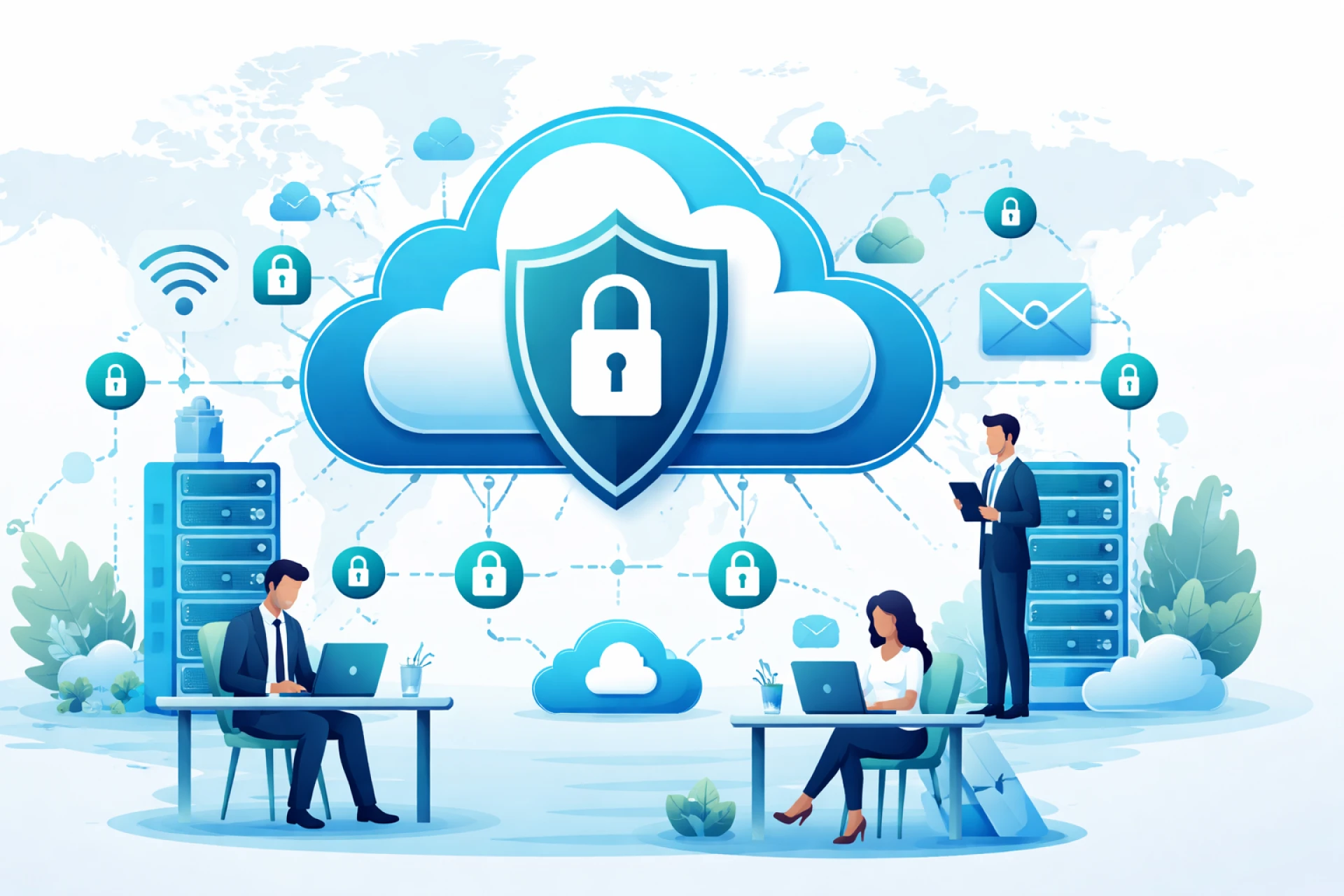
Businesses rely on digital systems for communication, collaboration, and data management. Employees access company resources from offices, homes, and while traveling. As organizations become more connected, protecting internal networks and sensitive information becomes a major priority.
To manage these challenges, many companies implement an enterprise vpn. This technology allows employees to connect securely to the company network through encrypted connections. It helps organizations maintain data security while supporting flexible work environments.
For companies that handle confidential data or operate across multiple locations, enterprise VPN systems provide an important layer of protection.
What an Enterprise VPN Is
An enterprise VPN is a secure network system that allows authorized users to access company resources from outside the physical office. It works by creating an encrypted connection between the user’s device and the company network.
Instead of sending information openly across the internet, the VPN routes data through secure servers that encrypt the connection. This makes it extremely difficult for unauthorized parties to intercept or read the data.
Once connected, employees can safely use internal tools such as company applications, shared files, and internal communication platforms.
This allows businesses to extend secure network access to employees working from different locations.
The Role of Corporate VPN Solutions in Data Protection
Organizations exchange large amounts of information every day. This may include financial records, customer data, internal reports, and confidential communications.
Corporate VPN solutions help protect this information by securing the connection between users and company systems.
Encryption ensures that data remains protected while traveling across the internet. Even if someone attempts to intercept the data, the encrypted information cannot be easily understood without the proper credentials.
In addition to encryption, VPN systems allow administrators to manage user permissions. Employees can access only the systems they need for their specific roles.
These controls help organizations maintain better security while allowing employees to work efficiently.
Supporting Remote and Hybrid Work
Remote work has become a permanent part of many business environments. Employees often split their time between working from home and working in the office.
A VPN for business allows organizations to support remote access while maintaining security standards.
For example, a marketing team might include employees located in different cities. Each team member needs access to project documents, analytics platforms, and communication tools. Through a VPN connection, they can access these resources safely from their own locations.
This allows companies to maintain productivity while protecting company data from potential risks.
Connecting Multiple Offices Through Secure Networks
Many companies operate from several offices across different regions. These locations must share information and collaborate on projects daily.
Enterprise VPN technology allows businesses to connect these offices through secure network tunnels. Instead of sending information through unsecured channels, each office communicates through encrypted connections.
For example, a retail company with warehouses and regional offices may need to share inventory data, sales reports, and logistics information. A VPN network ensures that this information moves securely between locations.
This approach helps create a unified company network even when teams are spread across different cities or countries.
Strengthening Overall Business Security
Cybersecurity threats continue to evolve, making it important for businesses to strengthen their network protections. Enterprise VPN systems contribute to stronger security in several ways.
First, encryption protects information during transmission. Second, authentication systems verify the identity of users before they can access internal systems. Many organizations also use multi-factor authentication to add another layer of protection.
VPN platforms often include monitoring tools that allow IT teams to track network activity. If unusual behavior occurs, administrators can investigate quickly and take appropriate action.
These security measures help organizations maintain better control over their digital infrastructure.
Scalability for Growing Businesses
As organizations grow, their technology requirements change. A company with a small team may have simple network needs, while a larger organization may need to support hundreds or thousands of users.
Enterprise VPN systems are designed to scale with business growth. New users can be added easily, and additional network capacity can be deployed as needed.
Many modern VPN systems also integrate with cloud services. This allows employees to securely access cloud-based applications and data through the same protected network connection.
This flexibility makes VPN technology suitable for businesses at different stages of growth.
Important Features Businesses Look For
When evaluating VPN solutions, companies often consider several key features.
Strong encryption protocols help ensure that company data remains protected. User authentication verifies identities before granting access to internal systems.
Centralized management tools allow administrators to monitor network activity, manage permissions, and maintain security policies across the organization.
Reliability is also important. Employees depend on stable connections to access company tools and complete their work without interruptions.
These capabilities help businesses maintain both productivity and security.
Conclusion
Businesses today operate in an increasingly connected digital environment. Employees work from multiple locations, access cloud platforms, and collaborate online every day. While these tools improve efficiency, they also create new security challenges.
Enterprise VPN technology provides a reliable solution by encrypting connections, controlling user access, and allowing employees to work securely from different locations.
By implementing secure VPN infrastructure, organizations can protect sensitive data, support distributed teams, and maintain stable network access across the business.