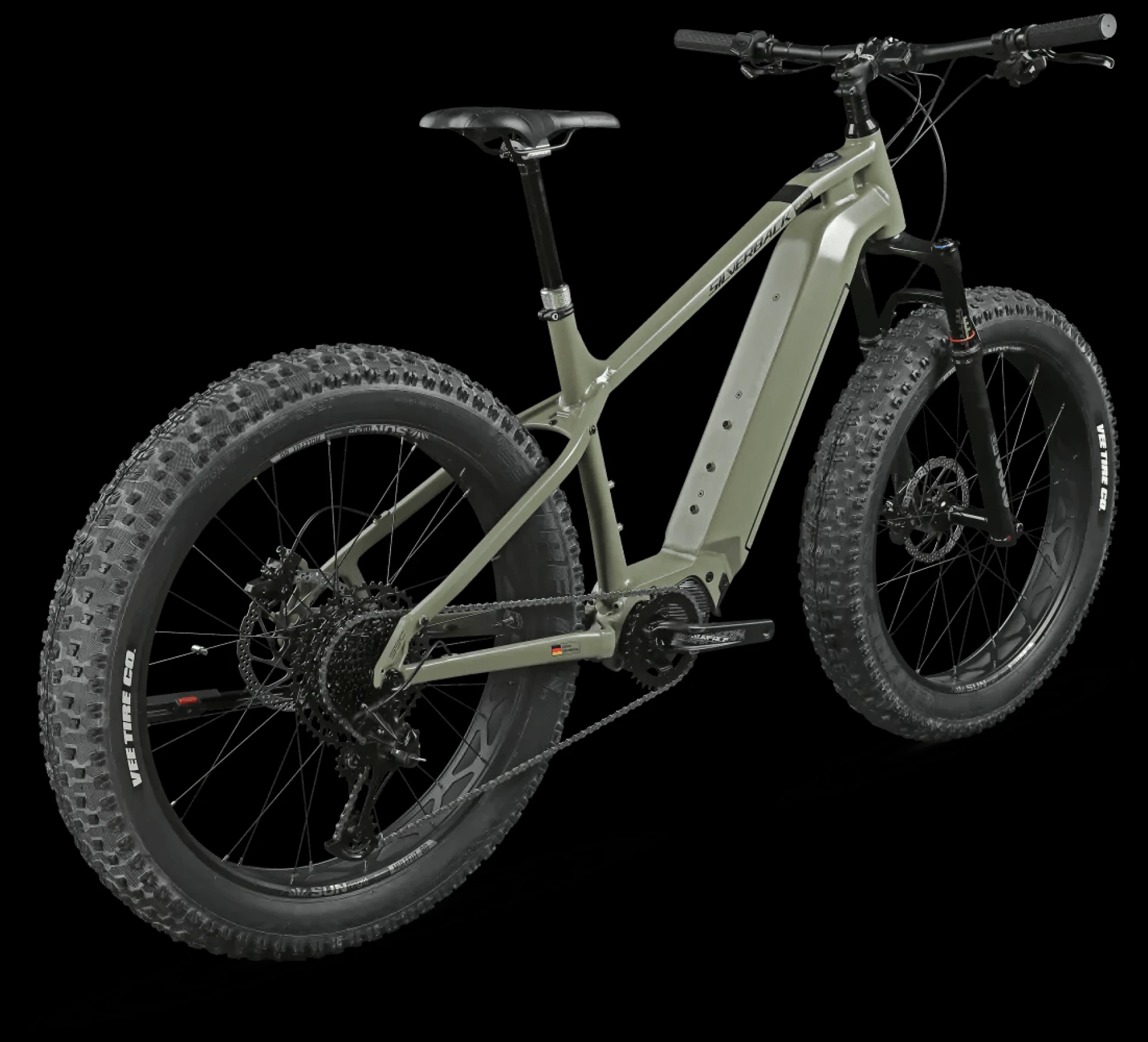
Electric bikes, commonly known as e-bikes, are rapidly transforming the way people commute, exercise, and travel. Combining traditional cycling with electric assistance, e-bikes make riding easier, faster, and more accessible for a wide range of users. As cities become more crowded and people seek healthier and eco-friendly alternatives, electric bikes are emerging as a practical and popular solution.
What Are Electric Bikes and How Do They Work?
Electric bikes are bicycles equipped with a motor, battery, and controller that provide pedal assistance. The motor activates when the rider pedals, offering additional power that reduces physical effort. Most e-bikes allow riders to adjust assistance levels, making them suitable for different terrains and riding conditions while still maintaining the feel of regular cycling.
Easier and More Comfortable Commuting
One of the main reasons e-bikes are growing in popularity is their ability to make commuting effortless. Pedal assistance helps riders tackle traffic, hills, and long distances without arriving tired or sweaty. This makes e-bikes an ideal choice for daily commuters who want a faster and more comfortable alternative to cars or public transport.
Ideal for All Age Groups and Fitness Levels
Electric bikes make cycling accessible to people of all ages and fitness levels. Seniors, beginners, and riders recovering from injuries can enjoy cycling without excessive strain. The adjustable assistance allows riders to choose how much effort they want to put in, making e-bikes inclusive and confidence-boosting for new riders.
Supports Health and Active Lifestyle
While e-bikes offer motor assistance, they still encourage physical activity. Riders continue to pedal, improving cardiovascular health, stamina, and muscle strength. Studies show that e-bike users often ride more frequently and for longer durations, contributing to a more active and healthier lifestyle.
Environment-Friendly Transportation Option
Electric bikes produce zero emissions and significantly reduce dependence on fuel-powered vehicles. By replacing short car trips with e-bike rides, riders help lower carbon emissions, traffic congestion, and noise pollution. This makes e-bikes a sustainable choice for eco-conscious individuals and urban communities.
Cost-Effective in the Long Run
Compared to cars and motorbikes, electric bikes have lower operating and maintenance costs. Charging an e-bike battery is inexpensive, and maintenance requirements are minimal. Over time, riders save money on fuel, parking, and public transportation, making e-bikes a smart financial investment.
Great for Urban Mobility and Short Trips
E-bikes are well-suited for city travel, offering flexibility and convenience. They allow riders to bypass traffic, access narrow streets, and park easily. For short to medium-distance trips, electric bikes provide a faster and more enjoyable travel experience than traditional vehicles.
Advances in E-Bike Technology
Modern electric bikes are lighter, more efficient, and more stylish than earlier models. Improvements in battery life, motor efficiency, and design have made e-bikes more reliable and visually appealing. These advancements have contributed significantly to their growing adoption.
Who Should Consider Buying an Electric Bike?
Electric bikes are ideal for daily commuters, fitness enthusiasts, seniors, and anyone looking for a practical transportation alternative. They are especially useful for people who want to cycle more without physical exhaustion or need assistance on challenging routes.
Conclusion
Electric bikes are growing in popularity because they offer the perfect balance between convenience, health, and sustainability. By making cycling easier and more accessible, e-bikes encourage more people to ride regularly while reducing environmental impact. As technology continues to evolve and urban mobility needs change, electric bikes are set to become a key part of everyday transportation.