
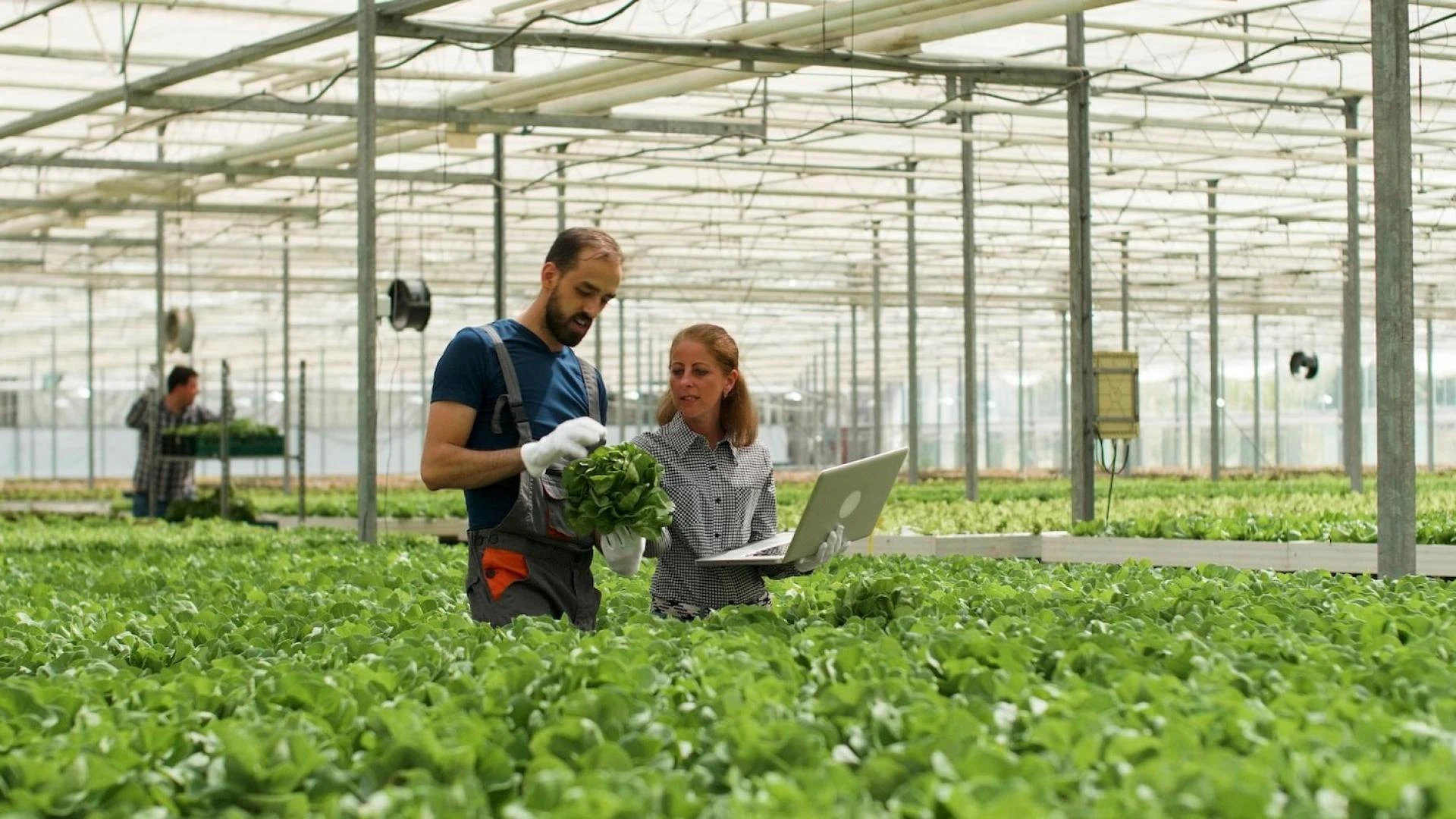
Sustainability is reshaping the world of agriculture, and nowhere is this more apparent than in the choices made by today’s progressive growers. Those committed to protecting the environment are taking a closer look at the entire lifecycle of their crops, from soil enrichment to harvest. At the heart of sustainable farming lies a simple philosophy: cultivating healthy plants without compromising the planet. It is within this mindset that plant-based solutions have steadily gained momentum, especially among eco-minded growers intent on leaving a lighter ecological footprint.
Natural alignment with the earth
Gone are the days when high yields demanded high chemical inputs. Growers who view themselves as stewards of the land understand that long-term success hinges on working with nature, not against it. Plant-based solutions resonate deeply with this philosophy, harnessing the innate power of green resources to enrich soils and fortify crops. Using organic bio fertilizer fosters a natural equilibrium, supporting biodiversity both above and below the soil surface. Not only does this boost immediate plant health, but it also maintains valuable balance in the surrounding ecosystem, ensuring robust yields for years to come.
Reducing chemical dependency
Modern agriculture has often relied on synthetic fertilizers and pesticides for rapid results, yet these can come at a steep environmental cost. The runoff from these chemicals pollutes waterways and can erode soil over time, endangering local flora and fauna. Eco-minded growers are leading the way in reducing such dependencies, actively seeking alternatives that keep both their crops and the wider environment healthy. which relies on naturally occurring compounds to feed plants safely and sustainably. As growers transition toward cleaner practices, they discover improved soil vitality and increased farm resilience.
Reinforcing soil health and fertility
Healthy soil is the backbone of every productive farm. Plant-based solutions are uniquely designed to nurture this crucial foundation. By contributing organic matter and essential nutrients, these alternatives foster lively microbial communities and improve the structure and water-holding capacity of soil. Instead of stripping away what's already there, growers are adding back into the soil’s natural reserves, setting the stage for better harvests. Over time, this creates a self-sustaining cycle of fertility, where each crop leaves the soil stronger for the next, rather than worn and depleted.
Supporting ethical and consumer values
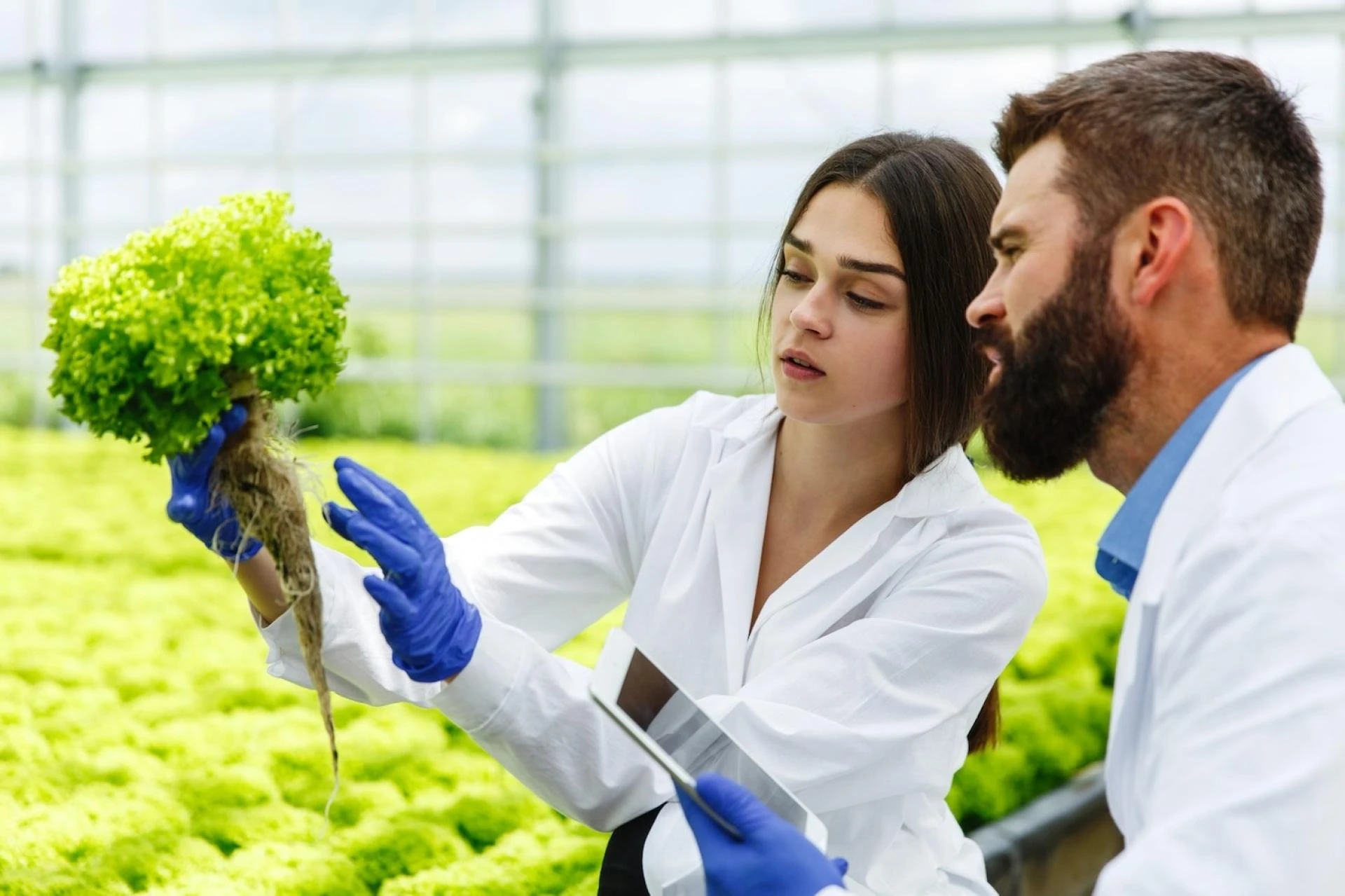
More than ever, growers must consider the perspectives of modern consumers. People want to know where their food comes from and how it was produced. Transparency in farming practices is a significant selling point for eco-minded businesses. By choosing plant-based solutions, such as organic bio fertilizer, growers align themselves with ethical, eco-conscious values that resonate with buyers who prioritize health and environmental stewardship. This doesn’t just build a stronger bond between the farmer and the consumer; it also encourages broader trends toward responsible agriculture.
Innovating for the future of farming
As the climate changes and resources become increasingly precious, innovation becomes a necessity. Plant-based solutions epitomize this spirit of progress, allowing growers to experiment with blends and applications tailored to specific crops and conditions. The versatility and adaptability of plant-derived fertilizers, composts, and soil amendments especially when paired with organic seeds make them ideal for the diverse and ever-evolving needs of modern agriculture. Through ongoing research and experience, farmers continually refine their strategies, leading to more sustainable and productive fields.
Conclusion
Eco-minded growers are redefining what it means to farm responsibly. Their preference for plant-based solutions is about more than just immediate yields it’s a commitment to long-term soil health, environmental protection, and ethical practices. Organic bio fertilizer not only helps achieve these goals but also serves as a tangible symbol of the change toward sustainability. As more growers embrace this path, they pave the way for a farming future that nurtures both crops and the planet. This shift isn’t just beneficial for those who work the land; it’s a win for all who value food grown with care and conscience.