
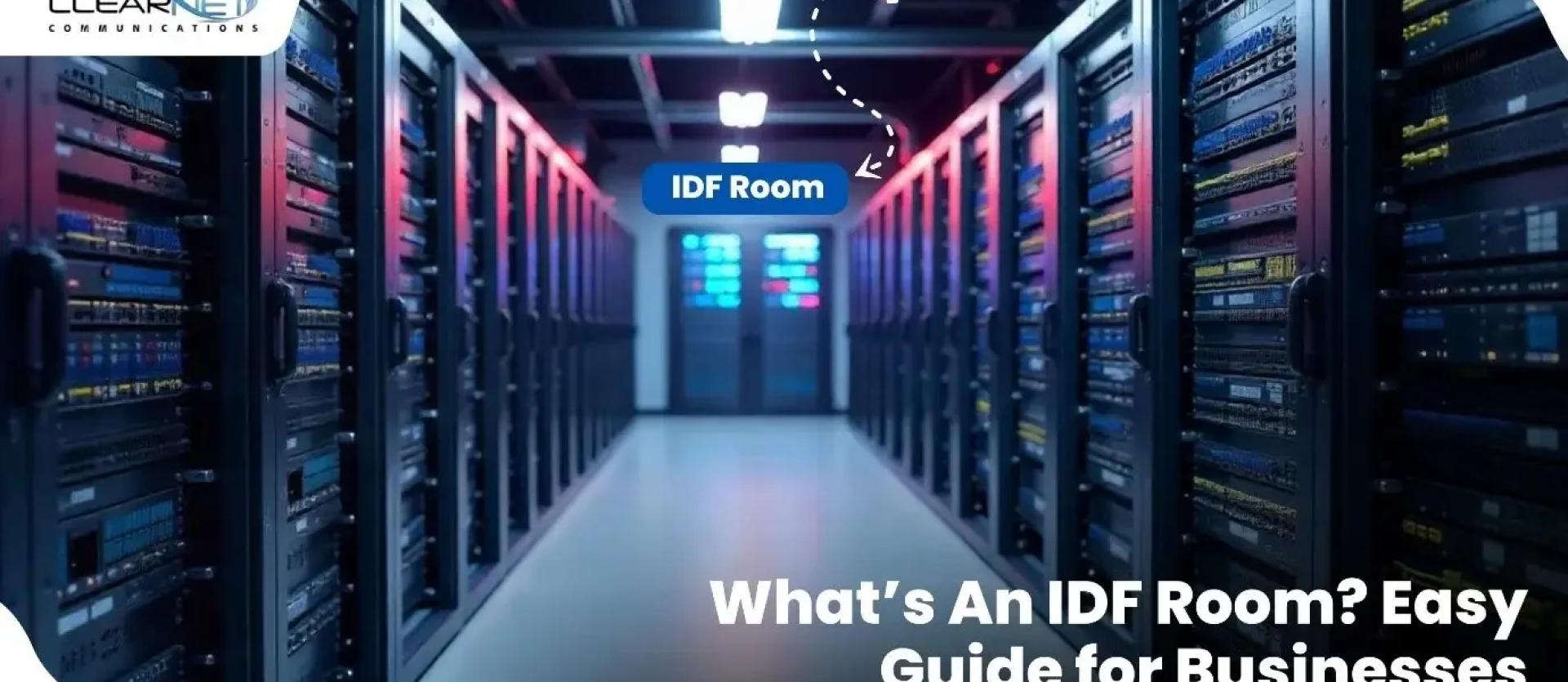
Have you ever wondered why some businesses run so smoothly? The secret often lies in their infrastructure. By infrastructure, I don't mean the building itself, but rather the backbone of their technology. An essential part of this setup is the Intermediate Distribution Frame, IDF room. Now, you might think, "What on earth is an IDF room, and why should I care?" Well, stick with me, and I'll break it down for you. An IDF room is where your network magic happens. It houses the equipment that connects your business to the internet and ensures everything runs efficiently. Without it, your data might as well be stuck in rush hour traffic. Let's explore why your business should consider investing in one.
Understanding the IDF Room
An IDF room is like the nerve center of your building's data network. It organizes and connects all the cables that keep your data flowing smoothly. Imagine trying to manage a spaghetti bowl of cables without order—chaos, right? The IDF room prevents this chaos. It houses critical equipment like routers, switches, and patch panels. These components help direct data where it needs to go. For example, when your sales team sends an email, the data travels through these devices to its destination. This room is crucial for maintaining fast and efficient communication within your business.
Real-world Example: Let's say you run a retail store in Washington. During the holiday season, your internet usage spikes as customers flood your online store. Without a proper IDF room, the increased data traffic could slow down your operations, leading to lost sales.
Pro Tip: Keep your IDF room organized by labeling cables and devices. It saves time during maintenance and troubleshooting.
- Pros: Streamlines data management, enhances network performance, prevents data bottlenecks.
- Cons: Requires dedicated space, initial setup costs, ongoing maintenance.
The Role of Data Cabling Installation
Data cabling installation is the backbone of any IDF room. Think of it as the highway for your data. Proper installation ensures that information flows quickly and efficiently. But why does this matter? A poorly installed system can lead to frequent network outages. Imagine you're in the middle of a video conference, and the connection drops. Frustrating, right? Data cabling installation helps prevent such issues by providing a reliable network.
Real-world Example: In a bustling Seattle office, a reliable internet connection is non-negotiable. Proper data cabling ensures uninterrupted service, allowing teams to collaborate seamlessly. This smooth operation is vital for productivity.
Pro Tip: Opt for high-quality cables during installation to future-proof your network against increased data demands.
- Pros: Ensures stable internet connection, reduces downtime, supports high-speed data transfer.
- Cons: Can be costly, requires expert installation, may need upgrades over time.
Benefits of Having an IDF Room
So, why should your business invest in an IDF room? Well, for starters, it significantly boosts your network's reliability. Businesses today rely heavily on the internet and digital communication. A robust IDF room ensures that your network remains strong even during peak usage times. It also helps in organizing your network infrastructure. Instead of a tangled mess of cables, you have a neat, efficient setup.
Real-world Example: A tech startup in San Francisco saw a 30% increase in productivity after setting up an IDF room. Employees could access data faster, leading to quicker decision-making and increased output.
Pro Tip: Regularly audit your IDF room to ensure everything is in top condition. It prevents unexpected downtime.
- Pros: Enhances network reliability, boosts productivity, organizes infrastructure.
- Cons: Requires regular audits, takes up physical space, initial setup can be complex.
IDF Room vs. MDF Room: What's the Difference?
Now, you might have heard of an MDF room. How is it different from an IDF room? An MDF (Main Distribution Frame) room is like the headquarters of your network. It connects to external communication lines and distributes them throughout the building. In contrast, an IDF room acts as a substation. It manages and distributes data within specific areas of a building. Think of the MDF room as the main highway, while the IDF rooms are local streets branching off.
Real-world Example: In a New York skyscraper, the MDF room connects the building to the city's internet grid. Each floor then has its own IDF room to distribute the data efficiently.
Pro Tip: Coordinate your MDF and IDF rooms for seamless data flow across your business.
- Pros: Efficient data management, organized network infrastructure, scalable setup.
- Cons: Can be confusing to differentiate, requires careful planning, potential for increased costs.
How to Design an Effective IDF Room
Designing an IDF room isn't just about cramming equipment into a closet. It requires careful planning and organization. First, consider the room's location. It should be central to minimize cable lengths. Next, plan for ventilation. Equipment generates heat, and proper airflow prevents overheating. Finally, think about future expansion. Your business will grow, and your IDF room should be able to accommodate this growth.
Real-world Example: A growing company in Austin found itself needing more server space. Because they had planned for future expansion, they easily added new racks without disrupting operations.
Pro Tip: Use adjustable racks and flexible cabling solutions to adapt to future changes in your IDF room.
- Pros: Supports growth, prevents overheating, centralizes network management.
- Cons: Requires strategic planning, potential upfront costs, ongoing maintenance needed.
Common Challenges and Solutions in IDF Rooms
Setting up an IDF room isn't without its challenges. One common issue is cable management. A tangled mess can lead to errors and downtime. Another challenge is cooling. Overheating can damage equipment, leading to costly repairs. Finally, security is crucial. An unsecured IDF room is a potential entry point for cyber threats.
Real-world Example: A business in Chicago faced frequent network outages. They discovered that poor cable management in their IDF room was the culprit. After organizing the cables, their network stability improved dramatically.
Pro Tip: Implement a cable management system and regularly monitor temperatures to prevent common issues.
- Pros: Improved network stability, reduced downtime, enhanced security.
- Cons: Requires regular monitoring, can be complex to manage, potential for high maintenance costs.
Choosing the Right Equipment for Your IDF Room
Picking the right equipment for your IDF room is crucial. Start with quality routers and switches. These pieces manage data flow and ensure smooth communication. Next, consider investing in high-quality cables. They might cost more upfront, but they'll save you from frequent replacements. Finally, don't skimp on security devices. Firewalls and access controls protect your network from threats.
Real-world Example: A company in Miami invested in top-tier routers and saw a marked improvement in network efficiency. Their investment paid off in reduced downtime and increased productivity.
Pro Tip: Regularly update your equipment to ensure compatibility with new technologies and standards.
- Pros: Ensures efficient data flow, enhances security, reduces downtime.
- Cons: Initial cost can be high, requires regular upgrades, careful selection needed.
Cost Considerations for an IDF Room
Budgeting for an IDF room can be tricky. Initial setup costs include equipment, installation, and possibly room renovations. However, these costs often pay off in the long run through enhanced efficiency and reduced downtime. You'll also need to consider ongoing expenses. These include maintenance, upgrades, and utility costs. Planning for these expenses ensures that your IDF room remains a valuable asset to your business.
Real-world Example: A small business in Portland carefully budgeted for their IDF room. By investing in quality equipment upfront, they minimized unexpected costs later on.
Pro Tip: Allocate a portion of your budget for unexpected repairs or upgrades to avoid financial surprises.
- Pros: Long-term savings, improved efficiency, reduced downtime.
- Cons: High initial cost, ongoing expenses, potential for unforeseen costs.
Future-Proofing Your Network with an IDF Room
Looking ahead is crucial for any business. An IDF room can help future-proof your network. It allows for scalability, so as your company grows, your infrastructure can handle increased demands. Additionally, a well-designed IDF room accommodates new technologies. This adaptability ensures your business stays competitive in a fast-paced digital world.
Real-world Example: A fast-growing tech firm in Silicon Valley designed their IDF room with expansion in mind. As they grew, they seamlessly integrated new technologies without overhauling their entire network.
Pro Tip: Regularly review your network's capacity and upgrade as needed to stay ahead of demand.
- Pros: Supports growth, integrates new tech, keeps business competitive.
- Cons: Requires foresight, potential for frequent updates, can be complex to manage.
Frequently Asked Questions
What exactly is an IDF room?
An IDF room is a space where network equipment like routers and switches are housed. It manages and distributes data within specific areas of a building.
Why is data cabling installation important?
Data cabling installation ensures data flows efficiently and reliably through your network, preventing outages and improving performance.
How does an IDF room differ from an MDF room?
An MDF room connects the building to external networks, while IDF rooms distribute data within the building, acting as substations.
What are the costs associated with setting up an IDF room?
Costs include equipment, installation, maintenance, and potential room renovations. Budgeting can minimize unexpected expenses.
How can an IDF room future-proof my network?
An IDF room allows for scalability and integration of new technologies, keeping your network efficient and competitive.
Share your thoughts or experiences with setting up an IDF room in the comments below. We'd love to hear from you!