When it comes to protecting our skin from the sun’s harmful rays, not all fabrics are created equal. That’s where UPF, or Ultraviolet Protection Factor, becomes a critical measure for textiles. Unlike SPF for sunscreen, UPF tells us how much UV radiation a fabric blocks from reaching the skin. But here’s the catch—accurate UPF testing isn’t as simple as holding a shirt up to the light. It requires precision, consistency, and the right technology. ChiuVention has stepped into this space with a fresh approach, offering testing solutions that aim to take the guesswork out of textile UV protection analysis. In this article, we’ll walk through why accurate UPF Testing matters, how ChiuVention’s tools work, and what this means for manufacturers and consumers alike.
Why Accurate UPF Testing Is More Important Than Ever
You might wonder why we can’t just rely on a fabric’s thickness or color to guess its UV protection. The truth is, many factors affect UPF—fiber type, weave density, moisture, stretch, and even laundering habits. Without proper testing, a lightweight summer shirt could be labeled as protective when it really isn’t. This isn’t just about marketing claims; it’s about health. Overexposure to UV radiation increases the risk of skin cancer and premature aging. With more people seeking sun-safe clothing, brands are under pressure to deliver accurate UPF ratings. ChiuVention recognizes that outdated or inconsistent testing methods can lead to false confidence. Their solutions aim to bridge the gap between lab-grade precision and real-world fabric behavior, ensuring that what’s on the label matches what the fabric actually does.
Understanding UPF Testing Standards and Challenges
Before diving into any testing solution, it helps to understand the standards that govern UPF analysis. The most widely recognized ones include AATCC 183 and AS/NZS 4399, which measure UV transmittance through a fabric sample. The challenge? Traditional testing often uses spectrophotometers that require large sample sizes and fail to account for fabric stretching or wetness—two common conditions in real life. For example, a dry, unstretched polyester may test high for UPF, but once it gets damp or stretched over a shoulder, its protection can drop dramatically. ChiuVention has taken note of these limitations. Their testing solutions are designed not just to meet basic standards but to simulate real-world variables, giving manufacturers a more honest picture of how their textiles will perform when someone actually wears them outdoors.
How ChiuVention’s UPF Testing Equipment Works
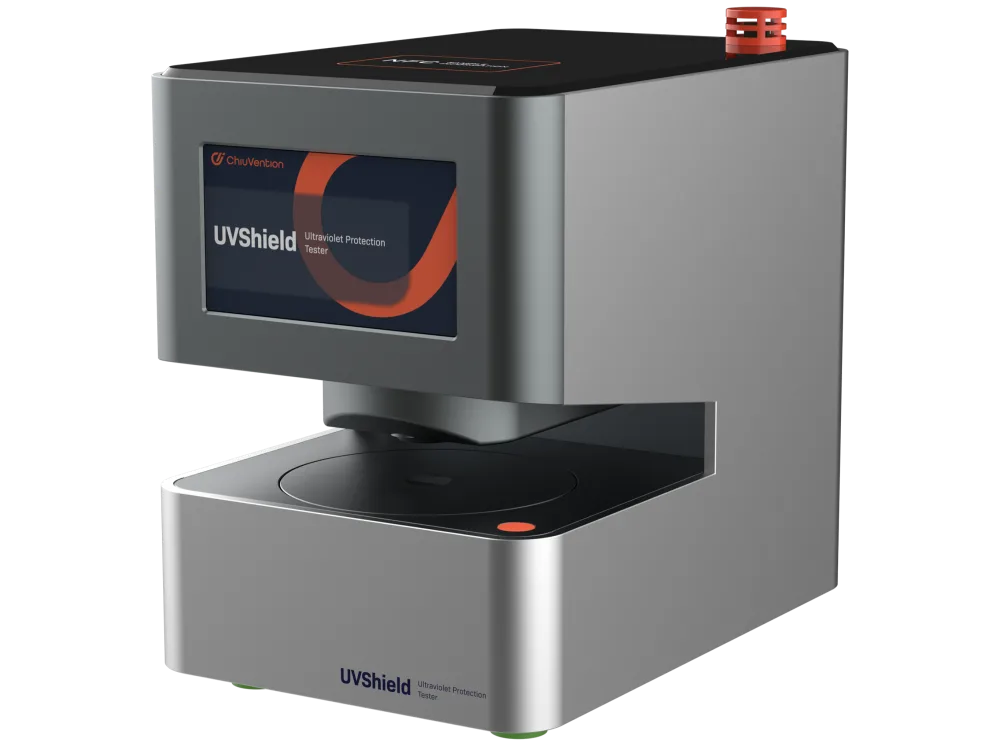
ChiuVention’s approach centers on a user-friendly yet scientifically robust instrument often referred to as their UV-2000F or similar models, depending on the specific textile application. The device uses a xenon arc lamp to simulate sunlight, then measures how much UV-A and UV-B radiation passes through a fabric sample. What sets it apart is its ability to test fabrics in various states—dry, wet, stretched, or laundered. The operator places a small fabric swatch in the sample holder, and the instrument rapidly scans across a range of UV wavelengths. Within seconds, it calculates a UPF rating along with classifications like “good,” “very good,” or “excellent” protection. The software also flags inconsistencies, such as pinholes or uneven weaving, that could lower the real-world UPF. For textile engineers and quality control teams, this means less time wrestling with complex calibration and more time trusting their results.
Key Benefits for Textile Manufacturers and Designers
So why should a clothing brand or fabric mill care about ChiuVention’s UPF testing solutions? For starters, accuracy protects your reputation. A single mislabeled batch of “sun-protective” shirts can lead to returns, lawsuits, or worse—customer harm. ChiuVention’s equipment offers repeatable results, so whether you test a sample in the morning or after lunch, the numbers stay consistent. Another big win is speed. Traditional lab testing could take days, especially if you’re outsourcing to a third party. With an in-house ChiuVention setup, designers can iterate on fabric blends or finishing treatments in real time. Want to see how a new UV-absorbing wash affects UPF after five washes? You’ll know within an hour. This agility is a game-changer for sustainable brands that want to minimize waste by getting the formula right before full production.
Real-World Applications Across the Textile Industry
You might assume UPF testing is only for swimwear or hiking gear, but the applications are much wider. Consider everyday work uniforms for construction crews, who spend hours under the sun. Or children’s play clothes, where parents rely on UPF labels for peace of mind. Even interior fabrics like curtains and car upholstery can benefit from UV testing to prevent fading. ChiuVention’s solutions are being adopted by sportswear giants, medical textile producers, and even niche outdoor startups. One especially compelling use case is in the certification of “UV protection” claims for online marketplaces like Amazon or Zalando, where third-party verification is becoming mandatory. By bringing accurate testing in-house, smaller brands can compete with larger players without blowing their budget on external labs. It’s a practical tool that democratizes quality assurance across the textile supply chain.
The Future of UV Protection Testing with Smart Integration
Looking ahead, ChiuVention isn’t stopping at just measuring UPF. They’re integrating their testing systems with cloud-based data platforms and IoT capabilities. Imagine a quality control manager receiving automatic alerts when a batch of fabric falls below a target UPF rating, complete with a diagnostic report on whether the issue is weave density or chemical treatment failure. Over time, these systems can learn from historical data to predict how new fabric prototypes will perform before they’re even woven. This shift from reactive testing to predictive analytics is where textile testing is headed. ChiuVention is positioning itself as a partner in that journey, offering solutions that grow with a brand’s needs. For anyone serious about sun-safe textiles, investing in accurate UPF analysis isn’t just a regulatory checkbox—it’s a commitment to transparency, safety, and smarter manufacturing.