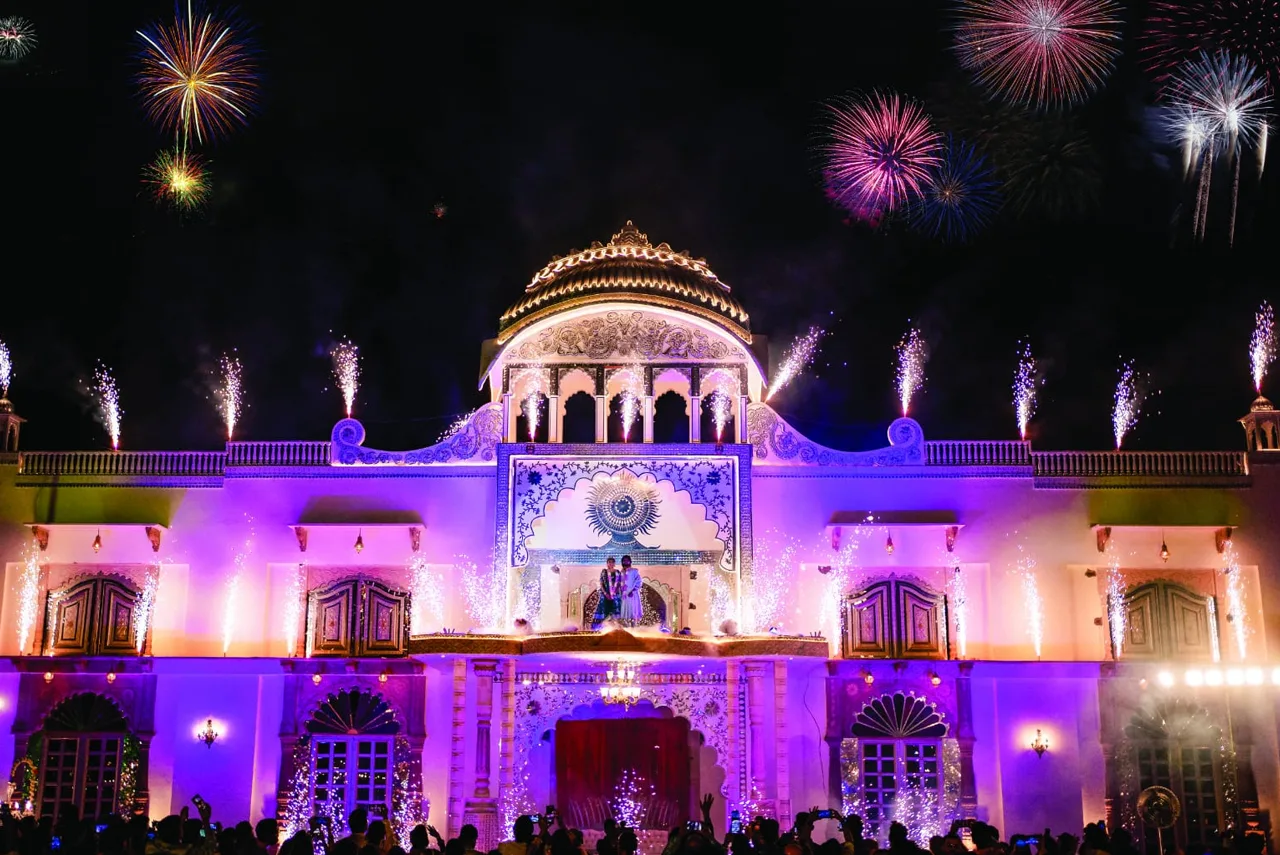
A wedding brings together people who may not have met for years: grandparents, cousins, childhood friends, colleagues and relatives from different cities. A one-day event often moves too quickly for these relationships to be enjoyed. A multi-day destination wedding in Jaipur gives families time to settle in, celebrate together and create memories beyond the main ceremony.
A multi-day wedding gives families time to arrive emotionally
Guests do not arrive at the venue with the same energy. Some may have travelled for hours, some may be managing children and some may be elderly family members who need time to rest. When the wedding begins immediately after arrival, people can feel rushed rather than welcomed.
A multi-day format solves this naturally. The first day can be kept light, with check-in, refreshments and an informal welcome. Guests get time to settle into their rooms, meet relatives and understand the schedule. By the time the main functions begin, everyone feels more connected and ready to celebrate.
This relaxed start is particularly valuable when both families are meeting each other for the first time. Instead of only exchanging greetings at the wedding ceremony, they can spend time together during meals, music evenings and casual conversations.
Every generation can enjoy the celebration at its own pace
The best wedding plans do not expect every guest to attend every event with the same energy. Grandparents may enjoy a daytime lunch and the main ceremony but prefer to rest before a late-night sangeet. Friends may enjoy the music evening deeply but need a slower morning the next day. Children need open time, snacks and small activities between functions.
A good destination wedding resort in Jaipur allows this flexibility because rooms, meals and event spaces are available in one connected location. Guests can take breaks without feeling separated from the celebration. They can return to their room, rest for an hour and join the next function easily.
This becomes especially useful during longer rituals. Comfortable seating, drinking water, shade and easy access routes can make the difference between a guest simply attending and genuinely enjoying the event.
Different functions can show different sides of the family
A multi-day wedding lets every function have a unique purpose. The welcome may feel warm and informal. The mehendi can become a family afternoon with laughter, colour and music. The sangeet can highlight friendships and sibling bonds. The wedding ceremony can remain graceful and emotional. The farewell breakfast can be simple, intimate and full of meaningful goodbyes.
This structure gives more people a chance to participate. Someone who is uncomfortable on a big stage may still enjoy sharing a short story at dinner. Cousins can host games at the mehendi. Friends can take responsibility for a playlist or a welcome activity. The wedding becomes a shared effort rather than a programme performed only for the couple.
Staying together creates natural memories
The strongest reason to choose a multi-day wedding is the time that happens outside the formal functions. Families meet at breakfast. Children make new friends. Friends sit late into the night after music ends. Parents share quieter conversations in the morning. These moments cannot be created through a strict event schedule, but they become the memories people carry home.
When all guests stay in one place, the wedding gains a sense of togetherness. There is less travelling, fewer late arrivals and less pressure to rush from one function to another. Instead of meeting relatives for only a few minutes, people get time to reconnect naturally.
A family wedding venue in Jaipur should make these informal moments easy by offering comfortable spaces where people can sit, talk and spend time between functions.
A proper timeline reduces stress for the hosts
Families often worry that a multi-day event will be harder to manage. In reality, a well-planned multi-day schedule can reduce pressure. Instead of trying to fit welcome, rituals, dinner, music and the wedding into one crowded day, responsibilities are spread over a comfortable timeline.
Create one clear master itinerary and share it with close family, vendors and key coordinators. Include arrival windows, meal timings, function start times and transition periods. Keep buffers between events because photography, guest movement and outfit changes often take longer than expected.
Avoid scheduling important rituals too early in the morning after a late-night sangeet. Also avoid keeping every meal formal. One relaxed meal or informal snack session can give people a welcome break from wedding clothing and constant social interaction.
Food can become part of the wedding experience
Food is one of the easiest ways to make a multi-day wedding memorable. Instead of repeating a large buffet at every function, give each meal a personality. A simple welcome dinner can offer comforting familiar dishes. A daytime mehendi can include lighter snacks and refreshing drinks. The sangeet can have fun food counters. The farewell breakfast can feel warm and homely.
Also think about the needs of different guests. Keep Jain, vegetarian, child-friendly and lighter food options clearly available. Make tea, coffee and water easy to find. When guests are comfortable with the food arrangements, they remain happier and more energetic throughout the celebration.
Jaipur adds a natural destination feeling
A multi-day wedding in Jaipur can feel special without forcing a heavy theme. The city’s culture, warm hospitality and colourful visual language already give the event a destination atmosphere. Couples can use local touches gently through music, food, flowers, welcome rituals or handmade favours.
The aim should not be to turn every function into a costume party. Instead, let the regional influence appear naturally. One folk-music welcome, a local sweet in the room, traditional colours in one décor setup or a Rajasthan-inspired menu section can be enough.
Keep one part of every day free
One common planning mistake is to create a packed itinerary because there are multiple days available. The opposite works better. Keep at least one open window every day. Guests may use it to rest, enjoy the property, speak with relatives or prepare comfortably for the next function.
This is also important for the bride and groom. They need time to eat, change, breathe and speak with their closest people. A wedding should not feel like a three-day performance where the couple never gets a quiet moment.
Choose a venue that can manage the complete flow
Before booking, ask practical questions. How close are rooms to each event area? Are there indoor alternatives for weather changes? Can meals, ceremonies and stay arrangements be managed comfortably for the guest count? Is there a dedicated coordination team? Are elder-friendly routes available?
The answers reveal whether the venue can genuinely support a multi-day wedding. The most attractive location is not always the most practical one. The ideal venue is beautiful, comfortable and operationally prepared.
FAQs
Why is a multi-day wedding better for families?It gives families more time to meet, rest, participate in rituals and make memories without feeling rushed.
How many functions should be included in three days?Usually four to five meaningful functions are enough. Keep the schedule balanced rather than adding too many events.
How can guests avoid fatigue?Provide rest windows, comfortable room access, light meals between functions, clear schedules and flexibility for elders and children.