Imagine a situation where you and your friend go for a facial filler procedure. You both received the same product, but after a few weeks, the results look starkly different. While you receive softer cheeks, your friend feels something different. This is a common issue. If you are going to a facial filler procedure soon, you should prepare yourself for the differences in results.
How Facial Fillers Work
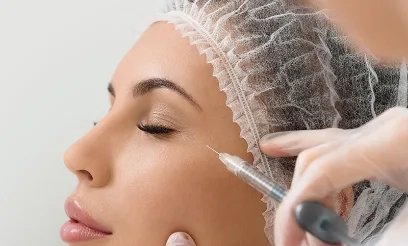
Facial fillers are typically soft gels that are placed under the skin. They primarily restore volume, smooth lines, and shape features like the lips and jawline. Most contain hyaluronic acid, a substance your body already produces. Facial fillers in Great Neck generally last about 6 to 18 months before the body absorbs them. Now, you need to understand that the gel may be the same for everyone, but not everyone has the same face. Here is where the results vary.
Why Facial Fillers May Have Varying Results
Here, we will discuss some of the major factors that can cause facial fillers to yield varying results.
1. Facial Anatomy and Bone Structure
Facial filler generally adds volume on top of what you already have. So, your foundation matters the most. Faces with high cheekbones, a strong chin, or a flatter mid-face will respond differently to the same amount of gel. Fat pads also sit in different spots from person to person. Many faces are slightly asymmetric. One cheek may need more product than the other to look balanced. Make sure to talk to your skin treatment professional for the right type of treatment.
2. Skin Thickness and Quality
Facial skin acts like a curtain over the filler, so it naturally shows varying results. If you have thick, firm skin, it can conceal the gel well and give a smooth finish. However, delicate skin, especially under the eyes, may show the product as a faint bluish tint or small bumps. External factors such as sun damage, low collagen, and dryness can also affect the result. These factors change how skin drapes over facial fillers in Great Neck. Healthy, hydrated skin generally provides a better canvas for filler.
3. Age and Stage of Volume Loss
Younger patients often ask for subtle shaping, such as a defined lip border. Meanwhile, older adults may need support for the lost volume of their cheek and mouth area. However, with time, facial bone thins slightly and fat pads drift downward. So, a filler treatment that worked well a decade ago may not suit you now. You should change your treatment plans as your face does.
4. Type of Filler Used
It’s bold to assume that every filler works the same way. There are different types of gels that offer varying results. Thicker, cross-linked gels give firm support in cheeks and jawline. However, softer gels move naturally with the lips and fine lines. The duration of the treatment also varies, as lip fillers often fade within 6 to 9 months, while cheek filler may last 12 to 18 months. If you are comparing facial fillers in Great Neck, choose a product that fits your goal. You can also ask the professional about the reason behind choosing this particular product.
5. The Amount and Placement
Applying a large amount of filler does not always yield a great result. Even if you apply small amounts of filler and place it at the right depth, your face will look polished and natural. Too much, or closely placed filler, can make your face look puffy and overfilled. Your face may also feel heavier and less defined, which can affect your facial aesthetics. It's also worth remembering that deep placement near the bone builds structure, while shallow placement can soften the fine lines. You can start conservatively and see how your face responds to the filler, and if it works, you can opt for a follow-up.
6. The Injector's Skill and Technique
The right technique is very important for a filler, as it can impact the result greatly. An experienced provider will study your facial anatomy before pushing the first injection. They will notice where blood vessels run, how your face moves, and other finer things. This knowledge affects both safety and appearance.
Two providers can use the same product and deliver different results. So, when you research facial fillers in Great Neck, look for a licensed medical professional. Ask about their training, the products they use, and whether they have genuine before-and-after photos of real patients.
7. Lifestyle, Metabolism and Aftercare
Your body breaks down hyaluronic acid at its own pace. For example, people with fast metabolisms, intense workout routines, or heavy sun exposure witness faster fading. So, make sure to get facial fillers in Great Neck only when the plan fits your habits.
Aftercare also plays a role in the success of a procedure. You might see swelling and bruising after the first few days, which generally settles within a week. For better results, avoid pressing on the area, and follow your provider's instructions. A short follow-up visit can help you fine-tune any uneven spots.
Set Realistic Expectations
Proper preparation may help you get results that fit your facial type. So, before booking an appointment, you must do a few things. First, write down what bothers you most, and bring a photo from the past few years. This will help your provider understand your natural baseline. Along with this, you should also share your medical history, medications, and any allergies, and ask what you can expect after a few months of the treatment. Get clear answers about facial fillers in Great Neck so that the whole process feels less uncertain.
Final Thoughts
As you can understand, the results of facial fillers vary because every face, skin type, and lifestyle is different. Once you understand that, you can set realistic goals and choose the right procedure. If you are considering facial fillers in Great Neck, consult with a licensed provider. Communicate clearly to share your goals, ask about the plan, and take your time. The best results will help you achieve your ideal look with a natural appearance.