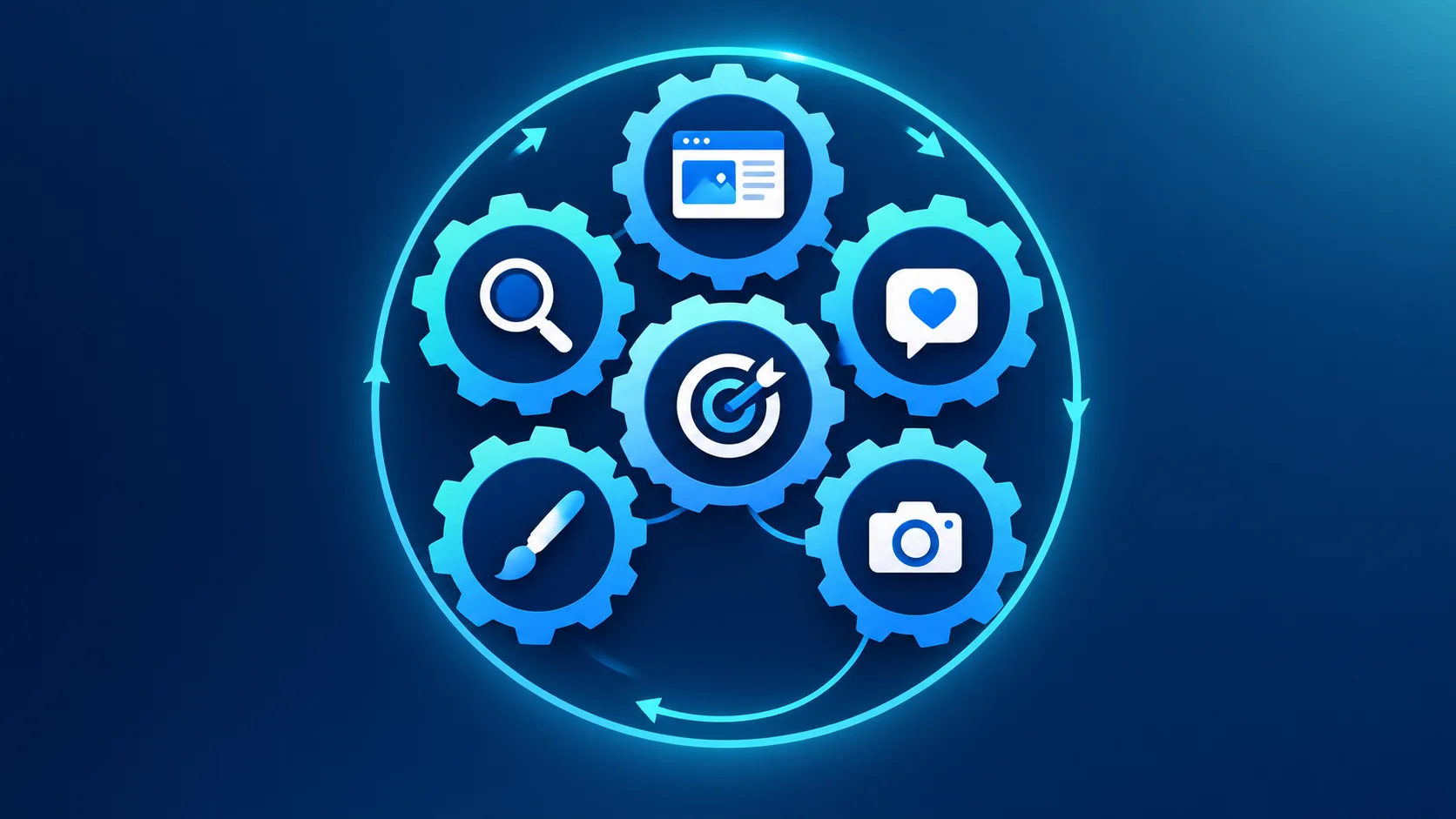

In today's highly connected world, businesses can no longer rely solely on traditional marketing methods to reach their audience. The internet has transformed how consumers discover products, compare services, and make purchasing decisions. As a result, digital marketing has become a necessity for organizations of all sizes and industries. Whether you run a healthcare clinic, retail store, educational institution, real estate company, or manufacturing business, having a strong digital presence is crucial for growth and long-term success. This is also why enrolling in a digital marketing course has become increasingly valuable for students, professionals, and business owners who want to stay competitive in the modern marketplace.
The rapid growth of technology has changed customer behavior significantly. Today, consumers spend a considerable amount of time online, using search engines, social media platforms, websites, and mobile applications. Before making a purchase or choosing a service provider, they often research online, read reviews, compare options, and seek recommendations. Businesses that fail to establish a strong digital presence risk losing potential customers to competitors who are more visible online.
One of the biggest advantages of digital marketing is its ability to increase brand visibility. Traditional advertising methods such as newspapers, billboards, and television commercials can still be effective, but they often have limited reach and high costs. Digital marketing allows businesses to connect with a broader audience through search engines, social media platforms, email campaigns, and content marketing strategies. This increased visibility helps organizations attract new customers and build brand recognition within their industry.
Another reason digital marketing is essential across industries is its cost-effectiveness. Marketing budgets vary significantly between businesses, especially when comparing startups to large corporations. Digital marketing offers affordable solutions that can deliver measurable results without requiring a massive investment. Social media marketing, search engine optimization, email marketing, and content creation often provide a higher return on investment compared to many traditional advertising methods. This accessibility allows businesses of all sizes to compete in the digital marketplace.
Digital marketing also provides valuable data and insights that help businesses make informed decisions. Unlike traditional marketing, where measuring results can be difficult, digital channels offer detailed analytics and performance tracking. Businesses can monitor website traffic, user behavior, engagement rates, conversion rates, and campaign performance in real time. These insights enable organizations to identify what works, improve marketing strategies, and allocate resources more effectively.
Customer engagement is another key factor that makes digital marketing indispensable. Modern consumers expect brands to communicate with them directly and respond to their questions quickly. Through social media platforms, email marketing, and online messaging tools, businesses can interact with customers in real time. This direct communication helps build trust, strengthen relationships, and improve customer satisfaction. When customers feel connected to a brand, they are more likely to remain loyal and recommend the business to others.
The importance of digital marketing extends beyond customer acquisition. It also plays a vital role in customer retention. Retaining existing customers is often more cost-effective than acquiring new ones. Digital marketing strategies such as personalized email campaigns, loyalty programs, and targeted content help businesses stay connected with their audience and encourage repeat purchases. Consistent engagement keeps the brand top-of-mind and strengthens long-term customer relationships.
Different industries benefit from digital marketing in unique ways. In the healthcare sector, digital marketing helps clinics and hospitals educate patients, build trust, and improve accessibility. Educational institutions use digital marketing to attract students and showcase their programs. Retail businesses rely on digital channels to promote products, increase online sales, and reach wider audiences. Real estate companies use digital marketing to generate leads and showcase properties through virtual tours and online advertisements. Even manufacturing companies use digital strategies to connect with business clients and expand their market reach.
Another major advantage of digital marketing is its ability to target specific audiences. Traditional advertising often reaches a broad audience, including people who may have little interest in a product or service. Digital marketing allows businesses to define their target audience based on factors such as age, location, interests, online behavior, and purchasing habits. This precision ensures that marketing efforts are focused on individuals who are more likely to become customers, improving overall campaign effectiveness.
As technology continues to evolve, digital marketing is becoming increasingly sophisticated. Artificial intelligence, automation, voice search, and personalized experiences are reshaping how businesses connect with consumers. Companies that embrace these innovations can gain a significant competitive advantage. However, understanding and implementing modern digital marketing strategies requires knowledge and expertise. This is where a digital marketing course can make a significant difference.
A well-structured digital marketing course provides practical knowledge about search engine optimization, social media marketing, content marketing, paid advertising, analytics, and emerging industry trends. It equips learners with the skills needed to develop effective campaigns, analyze performance data, and adapt to changing market conditions. For business owners, these skills can improve marketing results and support business growth. For students and professionals, they can open doors to exciting career opportunities in one of the fastest-growing industries worldwide.
The demand for digital marketing professionals continues to rise as organizations recognize the importance of online visibility and customer engagement. Companies across industries are actively seeking individuals who understand digital marketing tools and strategies. This growing demand makes digital marketing one of the most attractive career paths for those looking to build future-ready skills.
In conclusion, digital marketing is no longer an optional business function—it is a fundamental requirement for success in virtually every industry. It helps businesses increase visibility, engage with customers, generate leads, improve brand awareness, and achieve measurable results. As consumer behavior continues to shift toward digital platforms, organizations must adapt their strategies to remain competitive.
Whether you are a business owner seeking growth, a professional looking to advance your career, or a student preparing for future opportunities, investing in digital marketing knowledge can provide substantial benefits. Enrolling in a digital marketing course is an excellent way to develop the skills needed to thrive in today's digital economy and contribute to the success of any industry.