
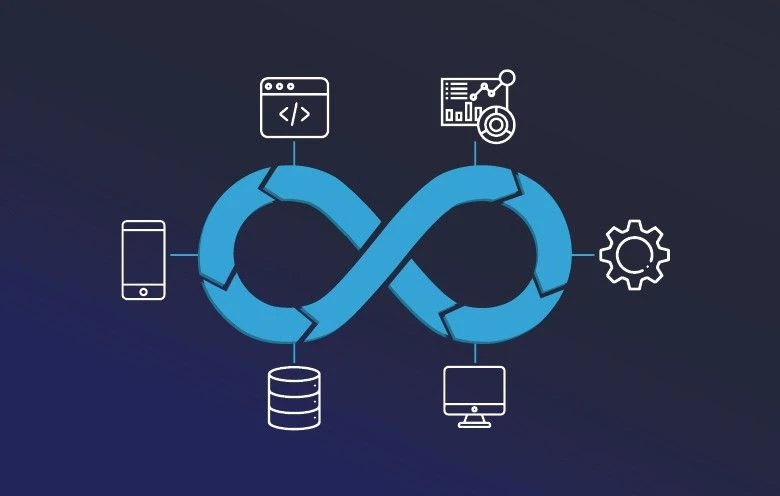
In today’s fast-paced software development landscape, integrating security into every stage of the DevOps pipeline is no longer optional—it's a necessity. This is where DevSecOps solutions and services come into play, offering organizations the tools and strategies needed to build secure, scalable, and reliable applications from the ground up.
What Is DevSecOps?
DevSecOps stands for Development, Security, and Operations. It emphasizes embedding security practices directly into the software development lifecycle (SDLC), rather than treating security as a separate or final phase. By adopting DevSecOps, businesses can ensure continuous integration, testing, and delivery without compromising on security.
Key Benefits of DevSecOps Solutions and Services
Security at Every Stage
Traditional models often bolted security on at the end. DevSecOps integrates it from the start, detecting vulnerabilities early and reducing risks.
Faster Time-to-Market
With automated testing and continuous feedback loops, teams can release software faster without waiting for lengthy security reviews.
Improved Collaboration
DevSecOps encourages communication between developers, operations teams, and security experts, breaking down silos and streamlining workflows.
Reduced Costs
Catching and fixing security issues earlier in the development process is far more cost-effective than addressing them post-release.
Regulatory Compliance
Automated auditing, logging, and policy enforcement help organizations meet industry-specific compliance standards such as HIPAA, GDPR, or PCI-DSS.
Common Components of DevSecOps Solutions
- Automated Security Testing Tools
These include SAST (Static Application Security Testing), DAST (Dynamic Application Security Testing), and container scanning tools.
- CI/CD Pipeline Security
Integration of secure coding practices and vulnerability scanning into Jenkins, GitLab, or other CI/CD platforms.
- Policy-as-Code
Enforces governance through codified security policies that are automatically applied during the deployment process.
- Infrastructure as Code (IaC) Security
Tools that monitor and validate IaC templates (like Terraform or CloudFormation) for misconfigurations or security risks.
When Should You Consider DevSecOps?
Whether you're building a new application or maintaining legacy systems, integrating DevSecOps becomes critical when:
- You’re moving to the cloud or using microservices.
- You have frequent releases and need secure automation.
- You're aiming for compliance in regulated industries.
- You're experiencing security incidents due to overlooked vulnerabilities.
Choosing the Right DevSecOps Partner
To successfully implement DevSecOps, you need more than tools—you need expert guidance. A reliable partner offering DevSecOps solutions and services can assess your current setup, customize strategies, and help embed a security-first culture.
If you're looking for a comprehensive provider, check out our DevSecOps services designed to support secure and efficient development practices for businesses of all sizes.
Conclusion
The integration of DevSecOps solutions and services empowers organizations to deliver better software—faster and more securely. By aligning development, security, and operations, you not only protect your systems but also gain a competitive edge in today’s digital landscape.