An accepted offer feels like the end of the search. On a calendar it is the middle. Between that day and closing you still have to learn whether the house you like is the house you think you are buying. A comprehensive property review is how those weeks stay useful. It puts structure, roof, electrical, plumbing, and heating and cooling into one set of notes while there is still a contract, still a seller who can respond, and still time to ask for a repair, a credit, or a clearer explanation.
Peace of Mind Home Inspections serves buyers across Bradenton, Sarasota, Tampa, Venice, Palmetto, and Parrish. The firm is veteran owned, InterNACHI certified, and has spent more than 25 years looking at Florida houses rather than at a generic national template. The review is visual and limited to accessible components. It is not a code inspection, not an appraisal, and not a promise about hidden conditions. Even with those limits, it is far more than the stroll you take when you fall for a kitchen.
A Walk Through Is Not a Systems Check
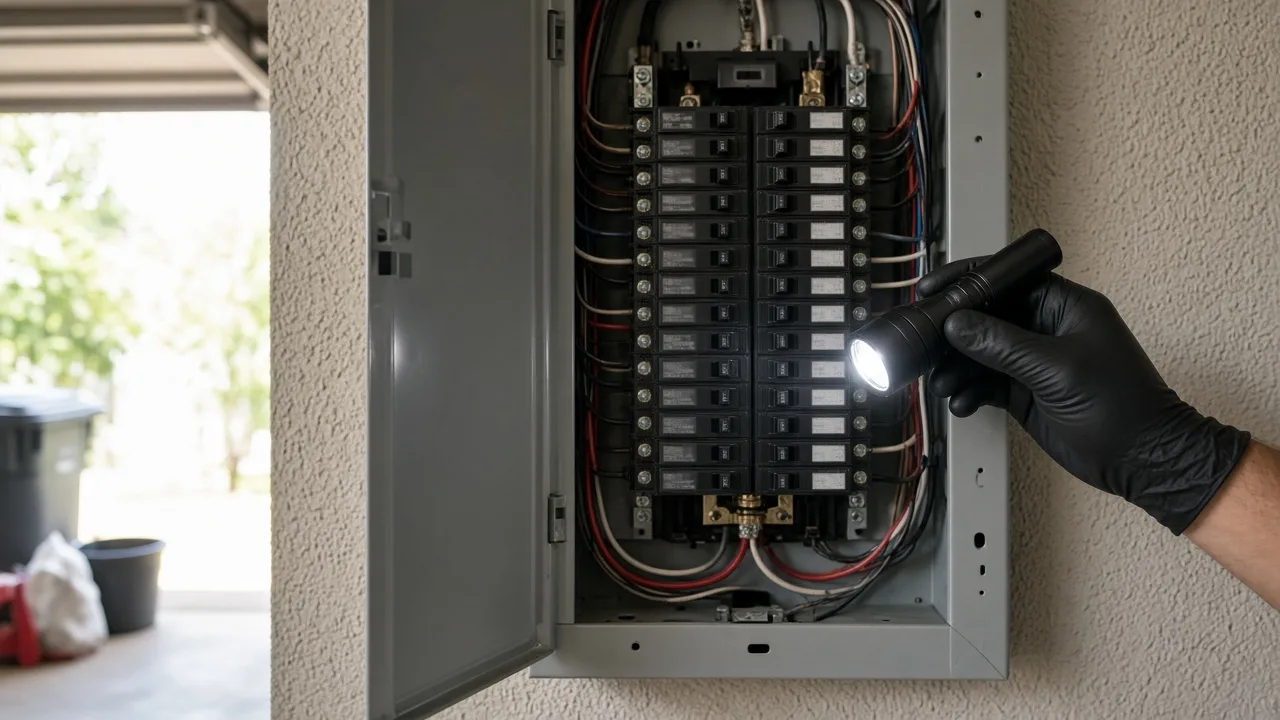
Buyers are observant about light, noise, and whether a room can hold their table. They are less observant about the condensate line behind the air handler, the double conductors under a panel screw, or the hairline of daylight at a plumbing vent boot. That is normal. You do not buy houses every month. An inspector does. The visit usually takes a few hours, which is long enough to operate equipment, look in the attic when it can be entered, test representative outlets, and follow stains to a likely source. Your evening walk after work will not cover that ground, especially if the seller's furnishings are still in the way.
Florida houses add items a newcomer may not think to ask about. Wind blown rain exploits tired flashings. Irrigation soaks the base of stucco. Air conditioners work hard enough that a clogged drain becomes a ceiling stain in a single weekend. Pool equipment and lanai attachments age in the sun. A comprehensive review notices those regional patterns because the inspector has seen them on other streets in the same county. A friend who once owned a house up north will not have that pattern recognition, however helpful the friend may be.
The report should arrive while the contract can still use it. Peace of Mind Home Inspections typically delivers written findings within a day or two, with photographs. Those photos matter in a negotiation because they let a seller, an agent, and a contractor look at the same crack or the same stain. A verbal worry is easy to dismiss. A labeled photo is a fact the group can discuss. You still need your agent and, when the issue is serious, your own advice on what the contract allows. The inspection does not practice law. It gives those conversations something solid to stand on.
Repairs, Credits, and Informed Acceptance
Not every finding deserves the same response. Active leaks, unsafe electrical conditions, and equipment that does not operate are the items buyers most often ask to have addressed before closing. Aged but working equipment is a different conversation. You might request a credit that matches a real bid, or you might accept the age and keep the cash for a replacement you control. Cosmetic taste is usually yours to fund later. A comprehensive report helps you tell those groups apart so you do not spend your goodwill asking for a new faucet while you ignore a roof detail that takes water.
Some conditions are accepted on purpose. A stain that was dry, monitored, and explained may be a reasonable risk if you have a small reserve and a plan to look again after the first heavy rains. Accepting it blindly because you are tired of shopping is different. Write down what you are accepting and what you will do in the first season you own the house. Closing day should not be the moment you try to remember which comments you waived.
Inaccessible areas belong in that same honesty. If storage blocked the attic, or a system could not be operated, the report should say so. You can ask the seller for access and a return visit, or you can decide the unknown is acceptable. What you should not do is treat silence as a clean bill. The days before closing are the last easy moment to convert an unknown into a known.
Insurance and appraisal deadlines often sit in the same two weeks, and they do not replace the inspection. An appraiser is pricing the house. A carrier may ask for separate documentation on an older roof or on specific systems. Those requests can surprise a buyer who thought the only paper left was the closing disclosure. A comprehensive review gives you earlier language for those calls. You can tell an agent that the roof covering is aged before you are told the binder is on hold. You can also schedule a return visit when a seller completes a repair, so closing is not the first time you discover that a patch was promised and not finished. Bring the original photo. Compare it with the repair. The point of the second look is narrow and practical, and it belongs on the calendar while you can still delay a signing if the work is incomplete.
Arrive With a Shorter List of Open Questions
The aim is not a perfect house. The aim is a closing in which the remaining questions are small. You know which repairs the seller completed, and you know which photos proved it. You know which credits are on the statement. You know which items you will call a contractor about after you move. That is a different feeling from signing while a report you barely read sits in your inbox.
Buyers who want that kind of review, done by people who work these Florida markets every week, can look to comprehensive review of a Florida home before closing day.