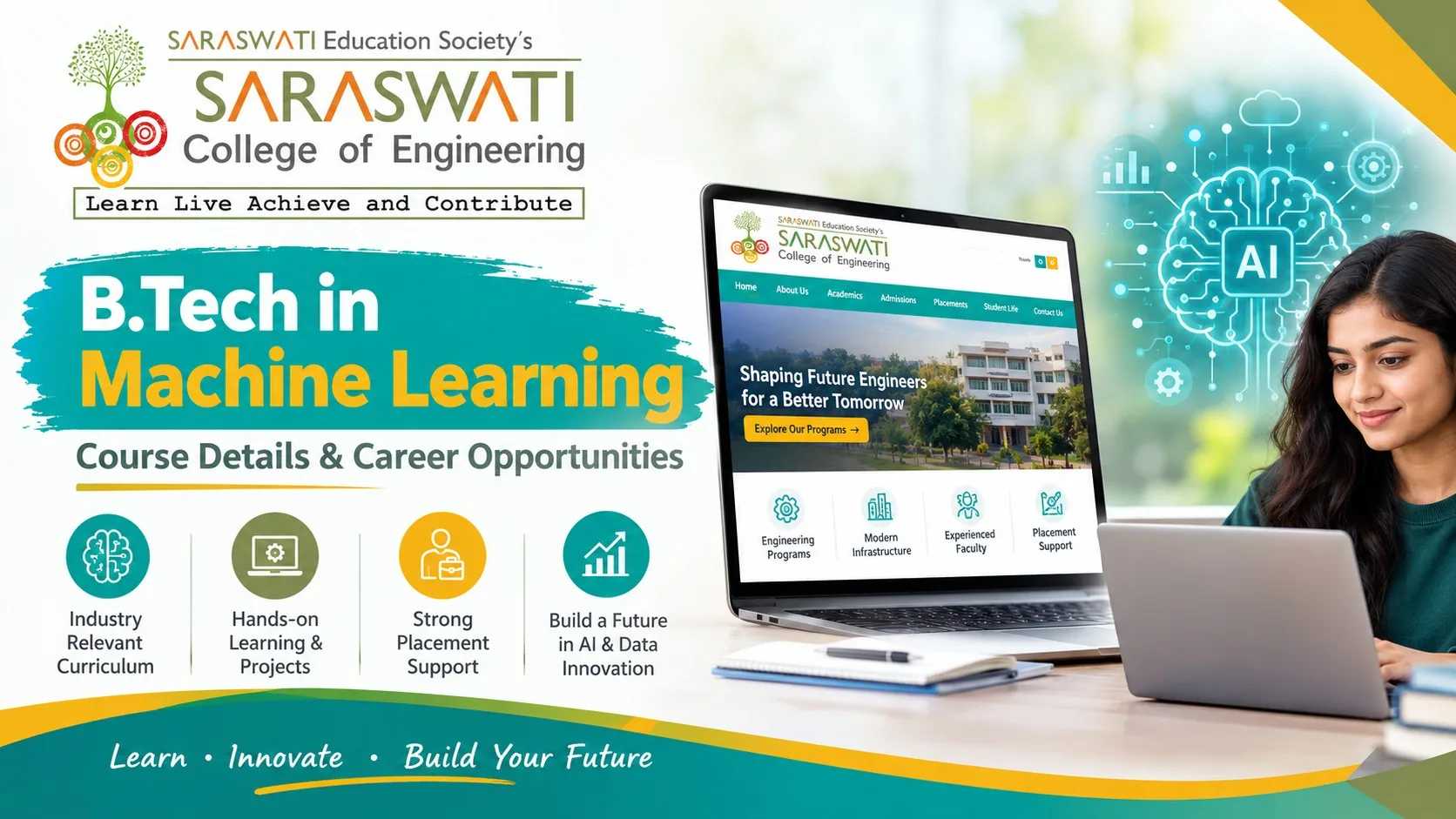
The educational technology industry is experiencing one of the biggest transformations in its history. New learning platforms are emerging every day, learners have more choices than ever before, and competition for student attention continues to increase.
For many years, EdTech companies relied heavily on digital advertising to attract enrollments. While advertising remains important, learner expectations have changed dramatically. Modern students no longer make decisions based solely on advertisements or promotional messages. They want trust, transparency, and proof before committing to a course or educational program.
This changing behavior is reshaping digital marketing edTech Businesses across the globe.
The Shift in Learner Expectations
Today's students behave more like informed consumers than traditional learners.
Before enrolling, they often:
- Read reviews
- Watch student testimonials
- Compare multiple platforms
- Join online discussions
- Research instructors
- Seek recommendations from peers
As a result, educational organizations must focus on building credibility before asking for enrollment.
This is where community-led growth becomes a powerful strategy.
What Is Community-Led Growth?
Community-led growth focuses on creating spaces where learners can connect, collaborate, and support each other.
These communities may exist through:
- Private groups
- Learning forums
- Alumni networks
- Mentorship programs
- Professional learning communities
Unlike traditional marketing campaigns, communities create ongoing engagement rather than one-time interactions.
The goal is not simply to generate leads. The goal is to create meaningful relationships.
Why Communities Matter More Than Ever
Several factors are driving the popularity of community-focused strategies.
First, learners want belonging.
Education is no longer just about consuming content. Students want opportunities to network, collaborate, and learn alongside others with similar goals.
Second, communities generate trust.
When prospective students observe active discussions, success stories, and supportive interactions, they gain confidence in the educational brand.
Third, communities improve retention.
Students who feel connected are more likely to stay engaged and complete their courses.
The Impact of Artificial Intelligence
Artificial intelligence has changed content marketing significantly.
AI tools can now create blogs, social media posts, emails, and educational resources within minutes.
While this increases efficiency, it also creates a challenge.
Content alone is no longer enough to stand out.
As more organizations use AI-generated content, learners are placing greater value on authentic human experiences.
This trend is influencing the future of digital marketing for edTech Businesses.
Successful brands are using AI to improve efficiency while simultaneously investing in human-centered communities.
The Business Benefits
Community-led growth offers measurable advantages:
- Lower student acquisition costs
- Higher engagement levels
- Increased referrals
- Better learner satisfaction
- Stronger brand loyalty
- Improved course completion rates
These benefits create long-term value that extends beyond individual marketing campaigns.
Looking Ahead
The future of digital marketing for edTech will likely focus on relationship building rather than simple lead generation.
Students increasingly want personalized experiences, meaningful connections, and trusted educational ecosystems.
Organizations that create these experiences will be better positioned to attract and retain learners in an increasingly competitive market.
Community-led growth is not replacing traditional marketing. Instead, it is enhancing it by creating stronger relationships between educational brands and their learners.
As the EdTech industry continues to evolve, communities may become one of the most valuable assets an educational organization can build.
To Know More Click Here: Digital Marketing EdTech Businesses