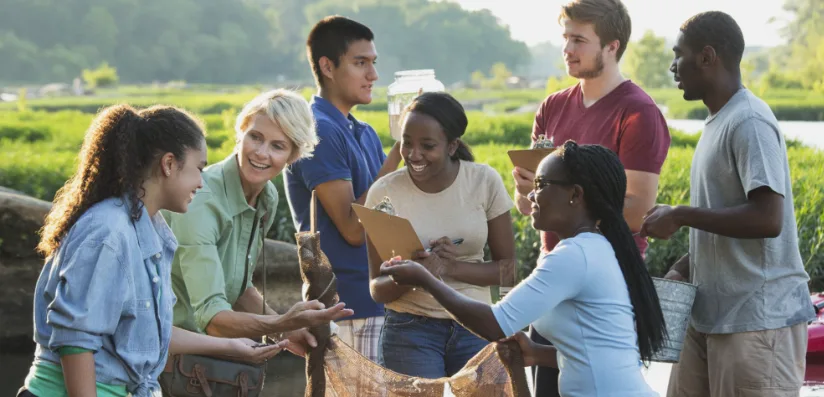
A clean street rarely begins in a conference room.
It often starts with a neighbor who notices the same drain clogging after every rain. A shop owner who sees trash blowing into the same corner. A parent who wonders why the park smells worse after weekends. A volunteer who finally says, “We cannot keep waiting for someone else to care first.”
That is why community-based environmental solutions matter. Government systems can pass rules, fund programs, collect waste, regulate polluters, and build infrastructure. But they cannot see every alley, every habit, every small pattern, or every local frustration in real time.
Environmental progress works best when government systems provide support and communities provide daily action.
Key Takeaways
• Government systems are necessary, but they are often too broad to solve every local issue alone.
• Communities understand daily environmental problems before they become public crises.
• Local trust helps people change habits faster than rules alone.
• Strong environmental progress needs policy, funding, education, and neighborhood ownership working together.
Why Community-Based Environmental Solutions Start Closer To The Problem
Community based environmental solutions work because local people live with the problem every day.
They know which street floods first. They know which empty lot becomes a dumping spot. They know when collection schedules are missed, when recycling bins are misused, and when public messaging does not match real life.
Government systems often operate from reports, budgets, departments, and long planning cycles. Those tools are important. Still, they can miss what residents notice immediately.
A community sees patterns in motion.
That local knowledge helps environmental work become practical instead of theoretical. Instead of saying, “people should reduce waste,” a neighborhood group can ask, “Why is this block producing so much food waste after weekend markets?” Instead of launching a generic cleanup campaign, residents can identify the exact behavior, location, and timing behind the problem.
That is the difference.
Government systems often manage categories. Communities understand conditions.
What Government Systems Do Well
Government should not be dismissed. Strong environmental protection needs public systems.
Government agencies can create sanitation rules, regulate emissions, fund green infrastructure, enforce environmental laws, and coordinate large-scale waste systems. Without public responsibility, many communities would be left without the resources needed to protect air, land, and water.
- The issue is not whether government matters.
- The issue is whether government systems alone can do enough.
- They usually cannot.
Public systems are often designed for scale. Communities are designed for closeness. One builds a structure. The other builds trust. When both work together, environmental action becomes more complete.
Why Local Trust Changes Behavior Faster
Most environmental problems are not only technical. They are behavioral.
People may know littering is wrong, but still do it when bins are missing. They may want to compost, but feel unsure how to start. They may support recycling, but give up when rules feel confusing. They may care about clean water, but not connect their daily habits to storm drains, soil, and nearby waterways.
A government flyer can inform.
A trusted neighbor can persuade.
That matters because environmental habits often spread socially. People copy what feels normal around them. If a block takes pride in clean sidewalks, others feel pressure to respect that standard. If a school, church, local business, or neighborhood group explains waste sorting in plain language, the message often lands better than a formal notice.
Real change needs more than information.
It needs repetition, trust, and visible proof.
How Community Action Fills The Gaps
Community action works best when it fills the space between policy and daily life.
Here is a simple way to understand it:
- Spot the real problem: Residents identify what is happening, where it happens, and who is affected.
- Match the solution to local habits: The plan fits how people actually live, shop, cook, travel, and dispose of waste.
- Build shared responsibility: Residents, businesses, schools, and local groups each take a clear role.
- Keep pressure on systems: Communities report gaps, request support, and push for fair service.
- Protect the progress: Local ownership keeps the solution alive after the first campaign ends.
This is why one neighborhood cleanup can become something bigger. It can reveal missing bins, poor signage, dumping patterns, food waste issues, drainage concerns, or a lack of public education.
The cleanup is not the full solution.
It is the beginning of local intelligence.
Where Government Alone Falls Short
Government systems often struggle when environmental problems require speed, trust, and constant adjustment.
A city may create a recycling program, but residents may not understand what goes where. A sanitation department may collect waste, but illegal dumping may continue in areas with weak lighting or low enforcement. A public campaign may ask people to reduce food waste, but households may not have affordable composting options.
The gap is usually not intentional.
The gap is a connection.
Environmental NeedGovernment Systems Can ProvideCommunities Can ProvideWaste collectionTrucks, schedules, disposal contractsLocal reporting, correct bin use, and cleanup habitsRecyclingRules, facilities, public guidancePeer education, sorting support, participationFood waste reductionCompost programs, grants, policyHousehold behavior change, local drop-off cultureClean streetsEnforcement and sanitation crewsDaily care, neighborhood watchfulness, prideFlood preventionDrainage plans and infrastructureReporting clogged drains, reducing litter, and local awarenessPublic educationOfficial materialsTrusted messengers and simple examplesThe strongest results come when both sides stop working separately.
Why Environmental Problems Need Shared Ownership
Waste, pollution, drainage, and neighborhood cleanliness are not problems that stay neatly inside department lines.
Food waste affects sanitation, climate pressure, pests, soil health, and landfill demand. Plastic litter affects streets, waterways, public health, and local pride. Poor drainage affects transportation, housing, safety, and business activity.
The World Bank projects that annual municipal solid waste could rise to 3.9 billion tonnes by 2050 without major policy and investment shifts. That is why environmental solutions need both large systems and local behavior change, not one or the other.
Shared ownership matters because people protect what they feel connected to.
When residents are treated only as rule followers, they may become passive. When they are treated as partners, they become problem solvers.
What Most People Get Wrong
Many people assume environmental work is mostly about more government funding, stricter rules, or better technology.
Those things help.
But they do not automatically create cleaner habits.
A compost bin does not work if people do not trust it, understand it, or use it consistently. A recycling program fails when residents are confused. A cleanup campaign fades when nobody feels responsible for keeping the area clean afterward.
The most common mistake is treating environmental solutions like one-time projects.
They are not.
They are living systems. They need maintenance, feedback, relationships, and local pride.
Lady Bird Johnson once said, “The environment is where we all meet.” Her point still feels practical today because environmental care is not separate from daily life. It is where health, dignity, safety, and community identity come together.
How Local Groups Make Systems Smarter
Community groups can make government systems more accurate.
They can document problem areas, gather resident feedback, translate public guidance into everyday language, and show where services are not reaching people equally. They can also help officials avoid solutions that look good on paper but fail in practice.
For example, a city may place recycling bins in a public area. But a local group may notice the bins are too far from where people actually gather. Or the signs may be unclear. Or the pickup schedule may not match peak use.
That kind of feedback saves time and money.
It also helps policy become more human.
A smart environmental system listens before it instructs. It watches before it expands. It learns from the people closest to the issue.
What A Strong Community Model Looks Like
A practical community model does not need to be complicated.
It needs to be consistent.
A strong model often includes:
• A small local team that monitors recurring issues
• Clear education in simple language
• Partnerships with schools, faith groups, businesses, and residents
• A direct way to report problems
• Visible progress people can see
• Regular follow-up, not just one event
• Support from local government when needed
This is where environmental progress becomes durable. Not loud. Not performative. Durable.
The neighborhood does not just clean once.
It changes the local standard.
Why Partnership Beats Dependence
Communities should not have to replace government systems. That would be unfair and unrealistic.
But communities also should not wait passively for government systems to solve every problem.
The better model is a partnership.
The government can bring authority, funding, planning, and enforcement. Communities can bring trust, observation, speed, and cultural understanding. Businesses can bring resources and daily influence. Schools can teach young people habits that last. Local organizations can connect people who might otherwise stay disconnected.
Environmental solutions work better when responsibility is shared without being blurred.
Everyone has a role.
How To Start In A Local Area
A community does not need a perfect plan to begin. It needs a clear first step.
Start with this simple approach:
- Choose one visible issue: Pick one problem people already notice.
- Map the pattern: Identify where, when, and why it happens.
- Talk to residents: Ask what makes the problem hard to solve.
- Create a small action plan: Keep the first step realistic.
- Measure what changed: Look for cleaner areas, better habits, or fewer complaints.
- Ask for support: Bring evidence to local officials, businesses, or partners.
Small wins matter because they prove change is possible.
Once people see progress, participation becomes easier.
Why Community-Based Environmental Solutions Last Longer
Community-based environmental solutions last longer because they become part of local identity.
A government program can begin with a launch date. A community habit continues through ordinary days. It shows up when someone picks up litter without being asked. When a store owner adds a better waste bin. When a school teaches students where food scraps go. When neighbors remind each other that clean spaces are not someone else’s job.
This is the quiet power of community action.
- It makes environmental care feel normal.
- Not forced.
- Not distant.
- Normal.
Conclusion
Community-based environmental solutions work better than government systems alone because environmental problems are lived locally, noticed locally, and changed locally.
Government systems create the backbone. Communities create the heartbeat. One without the other leaves gaps. Together, they can build cleaner streets, stronger habits, better waste practices, and more resilient neighborhoods.
For communities that want practical environmental progress rooted in local action, Etsa Gwoup Corp can be part of the conversation around shared responsibility, public awareness, and cleaner everyday systems.
FAQs
Why do community-based environmental solutions work?
They work because local people understand daily environmental problems closely. They can spot patterns, build trust, explain solutions in familiar language, and keep progress going after formal programs end.
Are government systems still important for environmental protection?
Yes. Government systems provide laws, funding, infrastructure, enforcement, and public services. The strongest environmental results happen when those systems work with communities rather than operating alone.
What is an example of a community-based environmental solution?
A neighborhood food waste drop-off program, local cleanup team, compost education group, recycling support project, or resident-led dumping report system can all be community-based solutions.
Why do government programs sometimes fail locally?
They can fail when they do not match local habits, language, trust levels, access issues, or daily routines. A good policy still needs local understanding to work well.
How can communities help reduce waste?
Communities can educate residents, organize cleanups, support composting, encourage proper recycling, report dumping, and partner with local businesses to reduce unnecessary waste.
Can community groups influence public policy?
Yes. Community groups can collect evidence, share resident concerns, attend meetings, request service improvements, and show officials where environmental systems need adjustment.
What role do local businesses play?
Local businesses can reduce waste, sponsor cleanup efforts, provide bins, educate customers, support neighborhood campaigns, and model better environmental habits.
How can a neighborhood start small?
Start with one visible problem, such as litter near a park or food waste after events. Track the pattern, speak with residents, create a simple action plan, and build from there.
Do community solutions replace government responsibility?
No. They support and strengthen public systems. Communities should not carry the full burden, but their participation makes environmental programs more practical and lasting.