Modern surgical care has changed dramatically over the past decade, allowing patients to recover faster while experiencing less discomfort after treatment. If you are searching for a laparoscopic surgeon in Delhi, understanding how minimally invasive surgery works and why expertise matters can help you make a confident healthcare decision. Today, laparoscopic techniques are widely used for treating gallbladder disorders, hernias, obesity, appendicitis, and several gastrointestinal conditions with excellent clinical outcomes.
Unlike traditional open surgery, laparoscopic procedures use small incisions and specialized instruments to perform complex operations with remarkable precision. Patients often experience reduced pain, minimal scarring, shorter hospital stays, and a quicker return to their normal lifestyle. However, the success of the procedure depends not only on technology but also on the surgeon's skill, experience, and judgment.
Understanding Laparoscopic Surgery
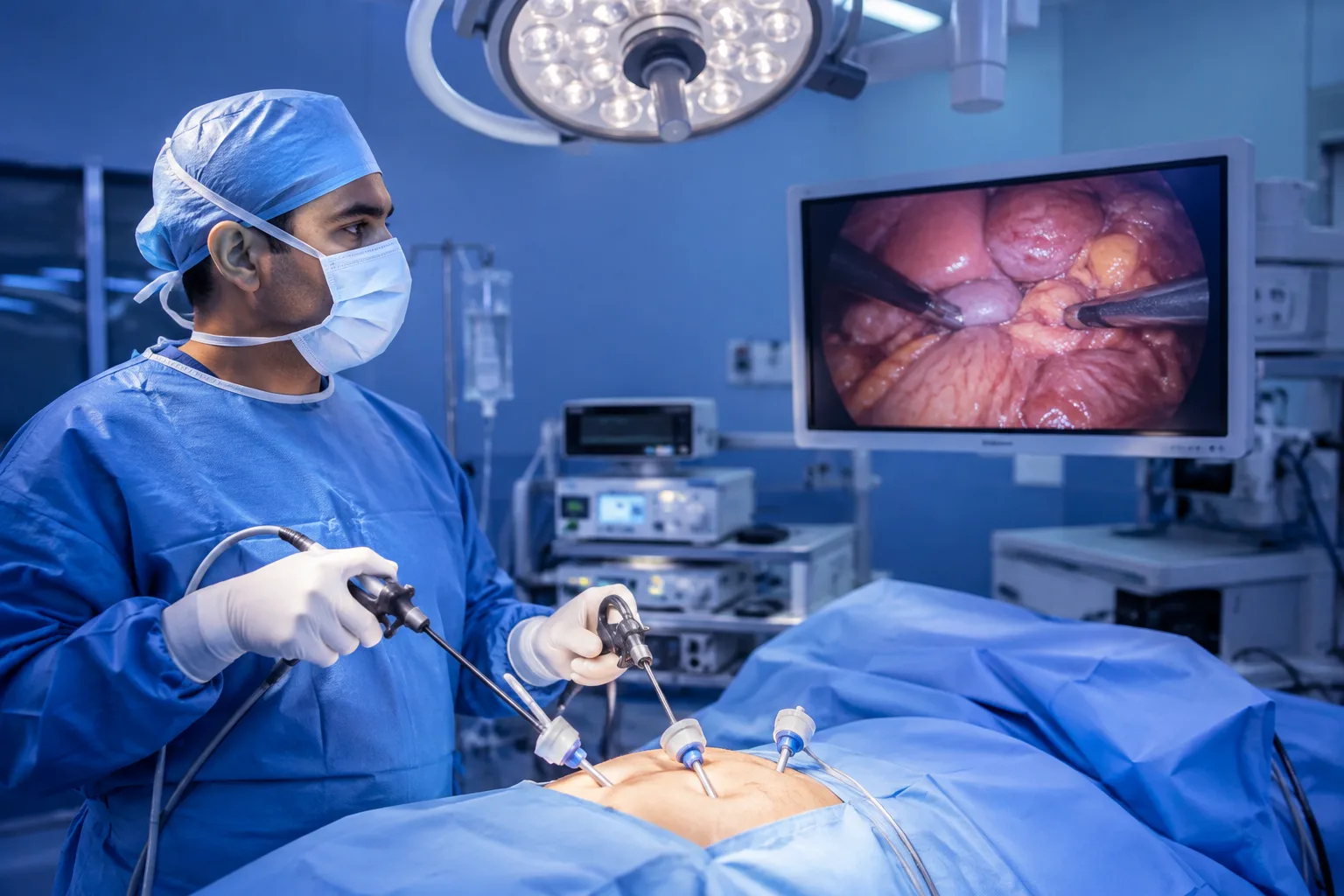
Laparoscopic surgery, often called keyhole surgery, is a minimally invasive surgical approach that allows doctors to operate through tiny incisions using a high-definition camera and specially designed surgical instruments.
This advanced technique offers several patient-friendly advantages:
- Smaller surgical incisions
- Less blood loss during surgery
- Reduced post-operative pain
- Faster wound healing
- Lower risk of infection
- Minimal visible scarring
- Shorter hospital stay
- Quicker return to daily activities
These benefits have made laparoscopic procedures one of the preferred treatment options for many abdominal and gastrointestinal conditions.
Conditions Commonly Treated Through Laparoscopic Procedures
An experienced minimally invasive surgeon can perform various procedures using laparoscopic techniques, including:
- Gallbladder removal for gallstones
- Hernia repair
- Appendix removal
- Bariatric (weight-loss) surgery
- Gastrointestinal surgery
- Colon surgery
- Liver-related procedures
- Selected pancreatic surgeries
Each procedure is carefully evaluated to determine whether a minimally invasive approach is the safest and most effective option for the patient.
Why Experience Makes a Difference
Although laparoscopic surgery requires advanced equipment, the surgeon's expertise remains the most important factor influencing outcomes.
A highly experienced surgeon understands how to:
- Select the right candidates
- Handle unexpected situations during surgery
- Minimize surgical risks
- Reduce operating time
- Preserve healthy tissues
- Improve recovery outcomes
- Ensure long-term treatment success
Choosing a surgeon with extensive experience in minimally invasive gastrointestinal and bariatric procedures often leads to greater confidence throughout the treatment journey.
Benefits Patients Often Notice After Surgery
Most patients appreciate the advantages of minimally invasive surgery during the recovery period.
Some commonly reported benefits include:
- Walking within hours after surgery
- Earlier hospital discharge
- Faster return to work
- Less dependence on pain medication
- Better cosmetic appearance
- Improved comfort during recovery
- Reduced post-operative complications
Every patient's recovery is unique, but minimally invasive techniques generally support a smoother healing process compared to traditional open surgery.
Who May Be a Suitable Candidate?
Many patients qualify for laparoscopic treatment, depending on their medical condition and overall health.
Doctors usually consider factors such as:
- Medical history
- Body weight
- Previous abdominal surgeries
- Current symptoms
- Imaging reports
- Overall fitness for anesthesia
A detailed consultation helps determine the safest surgical approach for each individual rather than using a one-size-fits-all solution.
Preparing Before Surgery
Good preparation contributes to better surgical outcomes.
Patients are often advised to:
- Complete all recommended investigations
- Discuss current medications
- Follow fasting instructions
- Stop smoking if advised
- Arrange transportation after discharge
- Understand post-operative care instructions
Being well prepared can reduce anxiety while helping the surgical team deliver the safest possible care.
Recovery After Minimally Invasive Surgery
Recovery is generally faster than with conventional surgery, although the timeline depends on the specific procedure performed.
Most patients can expect:
- Early walking after surgery
- Gradual return to regular diet
- Follow-up appointments for monitoring
- Light physical activity within days
- Progressive return to work
- Complete recovery over the following weeks
Following your surgeon's recommendations is essential for achieving the best long-term results.
Choosing the Right Surgical Team
When evaluating treatment options, patients should look beyond technology alone. Selecting the best laparoscopic surgeon in Delhi involves considering several important factors, including experience, hospital infrastructure, surgical outcomes, patient communication, and comprehensive follow-up care.
Useful points to consider include:
- Years of surgical experience
- Number of successful procedures performed
- Expertise in complex GI and bariatric surgery
- Availability of advanced minimally invasive technology
- Personalized treatment planning
- Transparent patient communication
- Hospital safety standards
- Structured follow-up support
Making an informed decision can significantly improve both the surgical experience and long-term recovery.
Why Personalized Care Matters
Every patient has unique health concerns, expectations, and recovery goals. Personalized treatment planning allows surgeons to recommend the most appropriate surgical technique based on individual clinical findings rather than applying the same approach to everyone.
This patient-focused strategy often leads to:
- Better clinical outcomes
- Improved patient satisfaction
- Lower complication rates
- Faster rehabilitation
- Greater confidence throughout treatment
A collaborative discussion between the surgeon and patient helps create realistic expectations while ensuring informed decision-making.
Expert Care You Can Trust
If you are considering laparoscopic surgery in Delhi, choosing a specialist with extensive experience in minimally invasive gastrointestinal and bariatric procedures can make a meaningful difference in your treatment journey. Comprehensive evaluation, individualized surgical planning, and dedicated post-operative support contribute to safer procedures and better recovery outcomes.
For consultations, appointments, or additional information, you can contact Dr. Randeep Wadhawan at +91 7042373880 or email [email protected] to discuss your treatment options with an experienced surgical specialist.
Frequently Asked Questions
1. What is laparoscopic surgery?
Laparoscopic surgery is a minimally invasive procedure performed through small incisions using a camera and specialized surgical instruments, resulting in faster recovery and less post-operative discomfort.
2. Is laparoscopic surgery safer than open surgery?
For many suitable patients, laparoscopic surgery offers excellent safety with advantages such as reduced pain, smaller scars, lower infection risk, and quicker recovery. Your surgeon will determine the best approach based on your condition.
3. Which conditions can be treated laparoscopically?
Common conditions include gallstones, hernias, appendicitis, obesity requiring bariatric surgery, and several gastrointestinal disorders involving the stomach, intestines, liver, and pancreas.
4. How long does recovery usually take?
Recovery depends on the type of procedure performed, but many patients resume light daily activities within a few days and gradually return to normal routines over the following weeks.
5. How do I know if I am a candidate for laparoscopic surgery?
Eligibility depends on your diagnosis, overall health, previous surgeries, and clinical evaluation. A consultation with an experienced surgeon is the best way to determine the most appropriate treatment plan.
Ref: Laparoscopic Surgeon