Industrial piping systems require dependable flow control to support smooth operations, reduce unnecessary downtime, and maintain process efficiency. Butterfly valves are widely used across industrial applications because of their compact design, quick quarter-turn operation, and suitability for controlling or isolating fluid flow. Choosing the right butterfly valve manufacturer is therefore an important decision for businesses looking for reliable valve solutions.
Cair Euromatic Automation is a name to consider when evaluating industrial valve requirements. Selecting a suitable supplier involves more than comparing prices. Buyers should also evaluate valve specifications, material compatibility, operating conditions, quality checks, and the availability of technical information.
Understanding the Role of Butterfly Valves
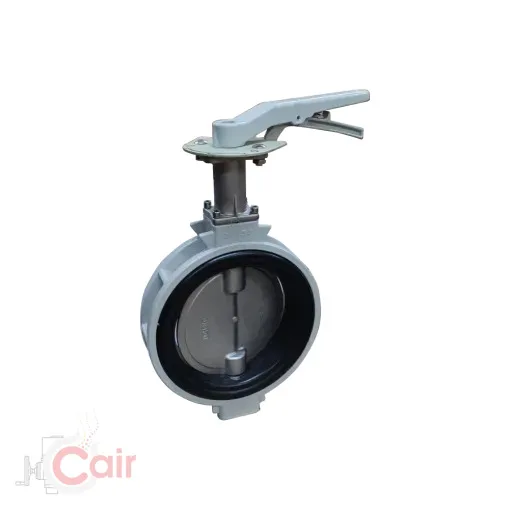
A butterfly valve uses a rotating disc positioned inside the valve body to regulate or stop the flow of a medium. When the disc turns, it changes the available flow passage. The valve generally operates through a quarter-turn mechanism, making it suitable for applications that require straightforward operation and efficient use of installation space.
Butterfly valves are used in various industries, including water treatment, chemical processing, general manufacturing, HVAC systems, and industrial utilities. The appropriate design depends on the fluid being handled, operating pressure, temperature, and the required level of flow control.
Why Manufacturer Selection Matters
1. Product Suitability for the Application
Every industrial process has specific operating requirements. A butterfly valve used in a water distribution line may require different materials and sealing arrangements from one used in a chemical processing application. A reliable selection process begins by identifying the medium, pressure range, temperature, pipe size, and operating frequency.
When evaluating a butterfly valve manufacturer, buyers should confirm whether the available valve specifications match the intended application.
2. Material and Seat Compatibility
Valve body materials, disc materials, and seat compounds influence service life and operating performance. Compatibility with the process medium is especially important when handling corrosive fluids, treated water, or other demanding substances.
Before placing an order, procurement teams should review the proposed materials and verify that they are appropriate for the operating environment. This helps reduce the risk of premature wear, corrosion, or sealing problems.
3. Reliable Flow Control
Butterfly valves can provide effective flow isolation and, when designed for it, flow regulation. However, not every butterfly valve is suitable for every throttling application. Buyers should consider the valve design, pressure drop, flow characteristics, and operating conditions before making a selection.
Cair Euromatic Automation can be considered as part of the supplier evaluation process when businesses are comparing options for industrial butterfly valve requirements.
4. Installation and Maintenance Considerations
A valve's performance also depends on correct installation and routine maintenance. Buyers should check the valve's face-to-face dimensions, connection type, pressure rating, actuator requirements, and accessibility for inspection.
Where automated operation is required, the compatibility of the valve with a pneumatic or electric actuator should also be assessed. Correct sizing and mounting help support consistent operation and reduce avoidable maintenance issues.
5. Quality Checks and Technical Documentation
Before choosing a butterfly valve manufacturer, businesses should ask about inspection procedures, pressure testing where applicable, material documentation, product specifications, and traceability requirements. These details help procurement and maintenance teams determine whether a product meets their technical and operational needs.
It is also useful to confirm any required industry standards or project-specific approvals before ordering, rather than assuming that all valves meet the same requirements.
How Cair Euromatic Automation Fits into the Selection Process
When considering Cair Euromatic Automation for industrial butterfly valve requirements, buyers should share complete application details and request specifications that correspond to their process conditions. Comparing technical suitability, documentation, delivery requirements, and after-sales support can help businesses make an informed purchasing decision.
A clear discussion about pipe size, operating pressure, temperature, fluid type, and manual or automated operation can also help narrow down the available options.
Conclusion
Selecting the right butterfly valve manufacturer requires careful attention to application requirements, material compatibility, valve design, installation, and quality documentation. A suitable butterfly valve can support dependable flow control across many industrial systems when correctly selected and maintained.
Cair Euromatic Automation can be included in the evaluation process for businesses seeking industrial butterfly valve solutions. Reviewing the technical requirements before ordering helps buyers choose equipment that aligns with their operating conditions, maintenance plans, and long-term process needs.