Choosing an engagement ring involves more than selecting a diamond. The setting, metal, shape, and overall design all affect how the ring looks and feels when worn every day. Some people prefer rings with raised prongs, while others want a setting that holds the center stone securely and has a smooth finish. This is one reason bezel engagement rings have become a popular choice among couples looking for a distinctive ring design.
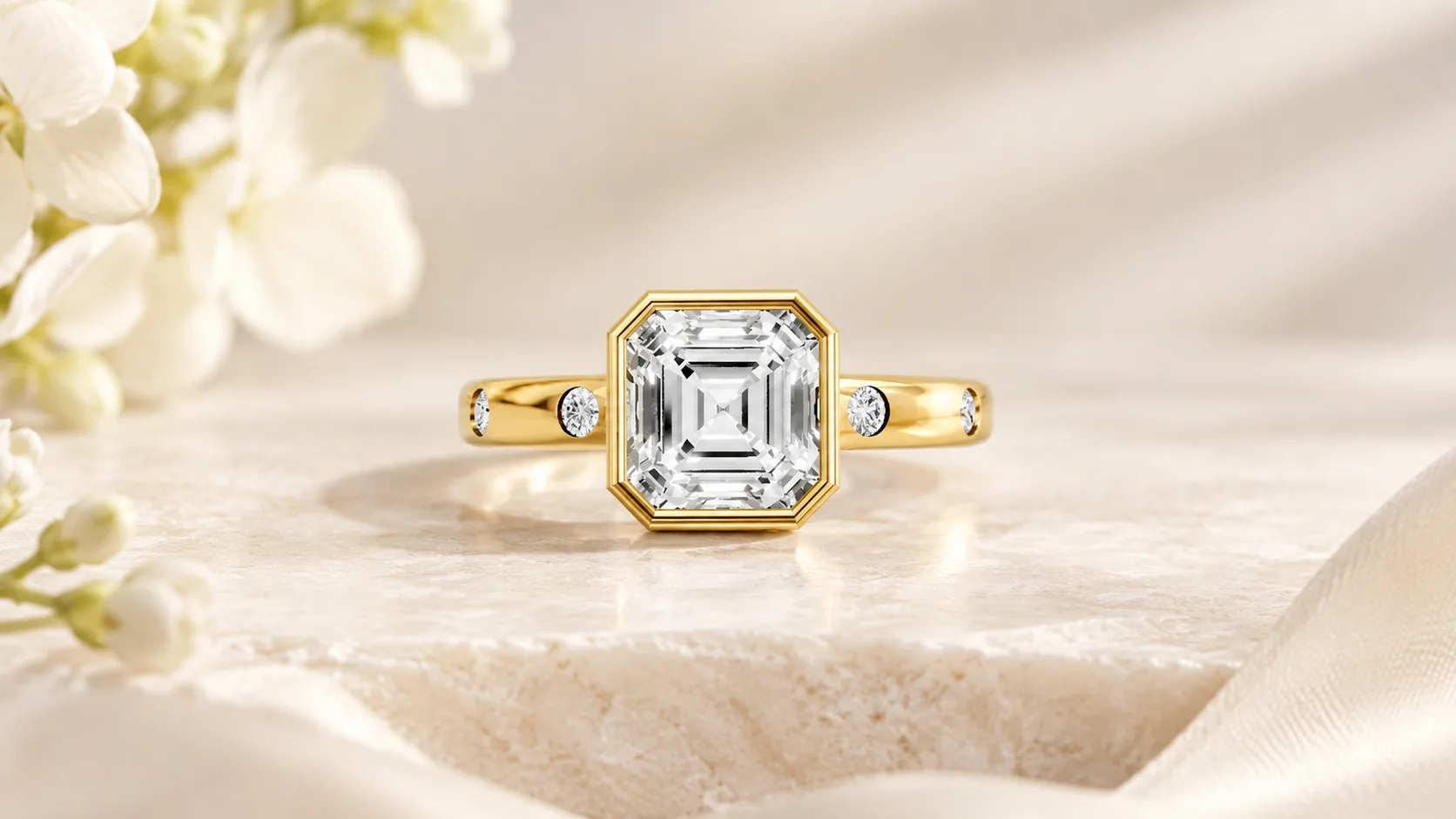
A bezel setting uses a thin rim of metal that surrounds the outer edge of the diamond. Unlike traditional prong settings, which hold a stone at several points, this design creates a border around the diamond. It offers a neat appearance and can help reduce the chances of the stone catching on clothing or other materials.
A bezel solitaire engagement ring combines this setting with a single center diamond. The result is a ring that keeps attention on the main stone without adding extra diamonds along the band. For anyone comparing different engagement ring styles, understanding the benefits of a bezel solitaire can make the buying process easier.
What Is a Bezel Solitaire Engagement Ring?
A bezel solitaire engagement ring features one central diamond secured by a surrounding metal rim. The rim follows the outline of the diamond, creating a defined border between the stone and the ring's band.
The solitaire design keeps the focus on one diamond rather than using several side stones. This makes it suitable for people who prefer a simple arrangement and want the center stone to remain the main feature of their ring.
The bezel can be designed around several diamond shapes, including round, oval, emerald, pear, and radiant cuts. Each shape produces a different result. A round diamond creates a balanced outline, while an oval diamond gives the ring a longer appearance. An emerald-cut diamond offers straight lines and defined corners, creating a more structured look.
The setting can also be paired with yellow gold, white gold, rose gold, or platinum, depending on personal preference and budget. These choices allow couples to select a ring that suits their everyday style without changing the basic design.
1. Added Protection for the Center Diamond
One of the main reasons people consider a bezel solitaire is the way it holds the center stone. The metal rim extends around the diamond's perimeter, helping protect its outer edge from some direct knocks and reducing the chance of the stone catching on nearby objects.
This can be especially useful for someone who works with their hands, regularly wears gloves, or prefers to keep their jewelry on throughout the day. A smooth setting may also feel more comfortable during ordinary activities.
However, the level of protection depends on the diamond's shape, the height of the setting, the metal thickness, and the quality of the craftsmanship. A bezel does not make a diamond impossible to damage, and the setting should still be checked periodically by a qualified jeweler.
When comparing bezel set engagement rings, examine how closely the metal follows the diamond's outline. The rim should hold the stone securely without covering more of the diamond than necessary.
2. A Clean Solitaire Design
A solitaire ring places the center diamond at the heart of the design. There are no additional stones competing for attention, allowing the diamond's shape and proportions to define the ring.
The bezel setting adds a clear outline around the center stone. This creates a different appearance from a prong solitaire, where small metal claws hold the diamond in place and leave more of its edges exposed.
People who prefer defined lines may find this combination appealing. It works well with round diamonds for a balanced appearance, oval diamonds for an elongated profile, and emerald-cut diamonds for a more geometric design.
The band can remain plain or include small design details along the sides. A narrow band can make the center diamond appear more prominent, while a wider band gives the ring a stronger visual presence.
The key is to choose proportions that feel comfortable on the hand and complement the selected diamond.
3. Suitable for Everyday Wear
An engagement ring is often worn for many years, so comfort and practicality deserve attention alongside appearance.
The enclosed edge of a bezel setting can reduce snagging because there are no exposed prong tips around the diamond. This may be useful for people who frequently type, handle fabrics, work in an office, or take part in everyday activities.
The ring's profile also matters. A lower-set bezel solitaire may sit closer to the finger than a high-set design, making it less likely to bump against nearby objects. However, not every bezel ring has a low profile, so buyers should check the actual construction before making a decision.
For regular wear, consider the band's width, the shape of the inner surface, and the overall weight of the ring. A well-fitted ring should feel secure without pressing against the neighboring fingers.
Although bezel settings can be practical, no engagement ring is completely maintenance-free. Removing the ring during heavy manual work, cleaning it regularly, and arranging occasional professional inspections can help keep it in good condition.
4. Several Diamond Shapes to Choose From
A bezel solitaire does not have to feature a round diamond. The setting can accommodate several shapes, allowing buyers to choose a stone that matches their preferences.
Round cut: A round diamond creates a symmetrical design and works well with both narrow and wider bands.
Oval cut: An oval diamond creates an elongated outline that can make the center of the ring appear longer.
Emerald cut: This shape features a rectangular outline and step-cut facets. A bezel can follow its straight edges for a defined appearance.
Pear cut: A pear-shaped diamond combines a rounded end with a pointed tip. The setting must be carefully designed to protect and fit the pointed area.
Radiant cut: A radiant diamond combines a rectangular or square outline with brilliant-style faceting. It can suit buyers who want defined edges and a lively appearance.
When choosing a shape, consider the diamond's measurements rather than its carat weight alone. Two diamonds with the same carat weight can have different face-up sizes depending on their proportions and cut.
The setting should also follow the shape accurately. A well-made bezel complements the diamond instead of making the stone appear crowded.
5. How Bezel Rings Compare With Prong Settings
Both bezel and prong settings can make excellent engagement rings, but they offer different benefits.
A prong setting uses small metal claws to hold the diamond. Depending on the design, this leaves more of the stone exposed and allows light to enter from several directions. It can also make the center diamond appear elevated above the band.
A bezel setting surrounds the diamond's edge with metal. This creates a more enclosed appearance and can provide additional protection around the stone's perimeter.
Neither option is automatically better for everyone. A prong setting may appeal to someone who likes an exposed diamond with a raised profile. A bezel may be preferable for someone who values a smooth outline and wants to reduce snagging.
Before deciding, compare the ring's height, comfort, maintenance needs, and the amount of metal visible around the diamond. These details can have a greater effect on daily satisfaction than the setting's name alone.
6. Choosing the Right Metal
The metal affects the ring's color, durability, maintenance, and overall cost. A bezel solitaire can be made in several precious metals.
Yellow gold: Yellow gold creates a warm contrast with a colorless diamond. It is available in different purity levels, including 14K and 18K, which differ in composition and properties.
White gold: White gold offers a pale metallic appearance. Depending on the alloy and finish, it may require periodic rhodium plating to maintain its bright white surface.
Rose gold: Rose gold has a pinkish tone created by copper in the alloy. It provides a different color option for buyers who prefer warmer metal shades.
Platinum: Platinum is a dense precious metal often selected for engagement rings. It is generally more expensive than many gold options, although the final price depends on the design and current metal costs.
When selecting a metal for a bezel setting, pay attention to the thickness of the rim and the band's construction. The metal must be suitable for holding the diamond securely while maintaining the intended shape.
It is also worth considering skin sensitivity, resizing requirements, and the care needed to maintain the ring's finish.
7. Considering a Lab-Grown Diamond
Lab-grown diamonds are another option for a bezel solitaire engagement ring. They have essentially the same chemical composition and crystal structure as mined diamonds and share the same fundamental physical properties.
They are created using controlled processes rather than being formed naturally underground over geological periods. Like mined diamonds, lab-grown diamonds vary in cut quality, color, clarity, and carat weight.
A lab-grown stone can be paired with a bezel setting in the same range of shapes available for other diamond rings. The right choice depends on the buyer's budget, preferred size, and quality requirements.
Before purchasing, review the diamond's grading information and check whether it comes with a report from a recognized gemological laboratory. Pay particular attention to the cut, measurements, color, and clarity rather than relying on carat weight alone.
For shoppers comparing different styles, buy bezel engagement rings after reviewing the diamond specifications, metal options, setting details, and final price. This approach makes it easier to compare similar designs and decide which ring offers the best fit for individual needs.
8. Finding a Design That Matches Your Personal Style
Although a bezel solitaire uses one center stone, its appearance can change considerably depending on the details.
A thin band can create a delicate look, while a wider band gives the ring a more substantial shape. A full bezel surrounds the diamond's perimeter, whereas a partial bezel leaves selected sections of the stone's edge exposed.
Some buyers prefer a traditional round diamond with a plain gold band. Others choose an oval diamond, an east-west orientation, or a two-tone design to give the ring a more individual character.
Those searching for unique bezel engagement rings can compare differences in band shape, metal color, diamond orientation, and setting height. Even small changes can affect how the ring looks on the hand.
Antiquecut offers diamond ring designs for shoppers comparing different settings, center stones, and metal combinations. Reviewing a range of styles can help buyers identify which details matter most before selecting a final design.
It is useful to consider how the engagement ring will look alongside a wedding band, too. Some bezel rings sit flush against a straight band, while others require a curved or specially fitted companion ring.
9. What to Check Before Buying
Before choosing a bezel solitaire, review a few practical details to make sure the ring suits your expectations.
- Diamond quality: Compare cut, color, clarity, carat weight, and the stone's actual measurements.
- Setting construction: Check that the bezel fits closely around the diamond and that the metal rim is properly finished.
- Band comfort: Choose a width and profile that feel comfortable during regular wear.
- Metal choice: Compare the appearance, care requirements, and cost of gold and platinum.
- Ring size: Get an accurate measurement and ask about resizing options before placing an order.
- Wedding band compatibility: Check whether a straight wedding band will sit flush against the engagement ring.
- Certification: Review any available diamond grading report and confirm that its details match the stone being sold.
- Total cost: Consider the diamond, setting, metal, taxes, shipping, and any additional customization charges.
It is also worth asking the jeweler about cleaning recommendations and inspection schedules. A properly fitted bezel should hold the diamond securely, but regular checks can help identify wear or damage before it becomes a larger problem.
Conclusion
A bezel solitaire engagement ring can be a suitable choice for someone who wants a single center diamond, a smooth metal border, and a setting designed to reduce snagging during everyday activities. Its appearance can range from understated to distinctive depending on the diamond shape, metal color, band width, and setting proportions.
When comparing different bezel set engagement rings, consider more than appearance alone. Diamond quality, comfort, construction, maintenance, and wedding band compatibility all contribute to the long-term experience of wearing the ring.
Whether you prefer a round diamond in yellow gold or an oval stone in platinum, the best choice is one that fits your budget and personal preferences. Taking time to compare the details will help you select a bezel solitaire engagement ring that you feel comfortable wearing every day.