
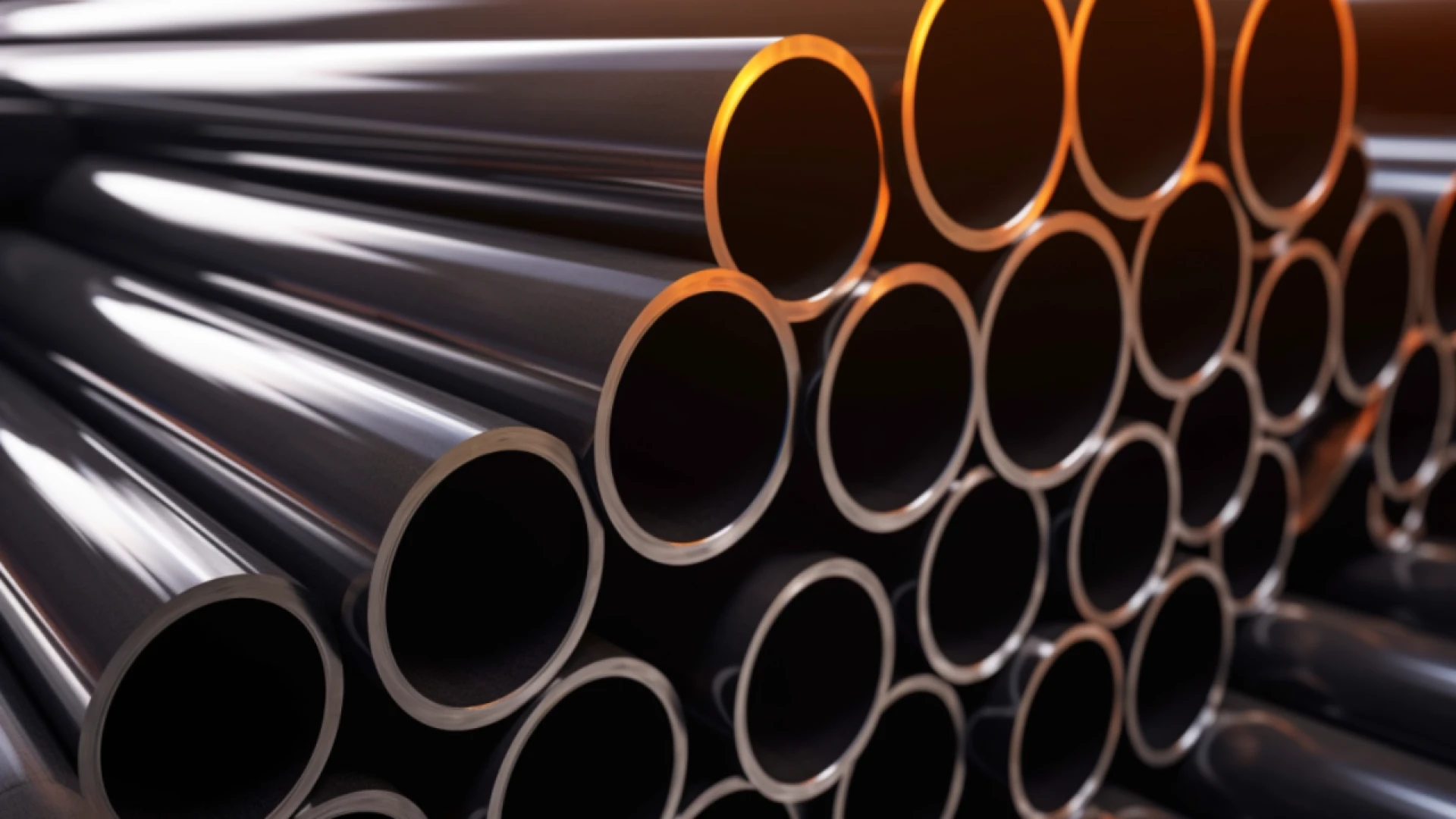
In the complex world of modern manufacturing, materials are the foundation upon which everything is built. From the tools that shape raw resources to the finished products we use every day, the choice of material is critical for success. While a wide range of exotic alloys and advanced composites have emerged, one material continues to be an unparalleled workhorse due to its perfect balance of strength, versatility, and cost-effectiveness.
This material is carbon steel. At its core, it is a simple yet powerful alloy of iron and carbon, but its ability to be customized and its consistent performance have made it the backbone of global industry. In a country like Thailand, with its thriving manufacturing and construction sectors, carbon steel is not just a common material; it is a foundational component of the nation's economic engine.
A Fundamental Difference: The Role of Carbon Content
The defining characteristic of carbon steel is its carbon content, which is carefully controlled to achieve specific properties. This simple variable gives rise to three main categories of carbon steel, each with its own strengths and applications.
Low-Carbon Steel (Mild Steel)
This is the most common and widely used type of carbon steel, with a carbon content of up to 0.25%. Its low carbon percentage makes it highly ductile, meaning it can be easily bent, formed, and welded without breaking. It is also relatively inexpensive to produce. In Thailand, you'll find low-carbon steel everywhere, from the rebar used to reinforce concrete in the foundations of high-rise buildings to the intricate frameworks of industrial pipes and structures. Its excellent weldability makes it the material of choice for large-scale construction and fabrication projects.
Medium-Carbon Steel
With a carbon content ranging from 0.25% to 0.60%, medium-carbon steel offers a compelling balance between strength and toughness. It is harder than low-carbon steel, making it ideal for applications that require more durability and wear resistance. This grade is a staple in the automotive industry, which is a significant part of Thailand's manufacturing sector. It is used to produce vehicle components, railway parts, gears, and shafts, where a combination of strength and resilience is essential for performance and safety.
High-Carbon Steel
Containing more than 0.60% carbon, high-carbon steel is known for its exceptional hardness and strength. While it is more brittle and less ductile than its counterparts, its ability to be heat-treated to a very high level of hardness makes it invaluable for specific applications. In manufacturing, it is used to create durable cutting tools, springs, and high-strength wires, where the material must withstand intense stress and maintain its shape over time.
The Core Strengths: Versatility and Reliability
Beyond its different grades, carbon steel's enduring popularity is rooted in a set of core strengths that make it an invaluable resource for manufacturers and builders.
Unmatched Strength-to-Cost Ratio
For large-scale projects and mass production, a material's cost-effectiveness is just as important as its performance. Carbon steel offers a superior strength-to-cost ratio compared to more expensive alloys like stainless steel or aluminum. This economic advantage makes it the go-to material for building everything from industrial factory floors to the components of vehicles and machinery. Its reliability and affordability allow manufacturers to produce high-quality goods at a competitive price point, which is crucial for a global manufacturing hub like Thailand.
Ease of Manufacturing and Fabrication
One of carbon steel's most significant advantages is its ease of use. It can be easily cast, forged, rolled into sheets, machined, and welded, giving manufacturers immense flexibility in shaping it for different applications. This adaptability allows for the creation of a vast range of products, from simple nuts and bolts to complex machine parts, with a relatively low barrier to entry. This versatility supports a diverse manufacturing ecosystem that includes everything from heavy industry to precision engineering.
Adaptability and Protective Coatings
While carbon steel is susceptible to rust, especially in Thailand's warm and humid climate, this vulnerability is easily managed with modern protective coatings. Techniques like galvanizing, painting, or powder coating create an effective barrier that protects the steel from moisture and oxygen, extending its lifespan and maintaining its structural integrity. This adaptability ensures that carbon steel can be used reliably in both indoor and outdoor applications, from structural beams on a construction site to a car's chassis.
Applications in Thailand’s Key Industries
Carbon steel is not just an abstract material; it is a tangible part of Thailand's economic landscape, supporting key industries that drive the nation's growth.
Construction and Infrastructure
As Thailand's urban centers continue to expand, the demand for strong, reliable building materials is constant. Carbon steel is the backbone of this development. It is used to create the structural frameworks of skyscrapers, the support beams for bridges and expressways, and the critical components of large-scale public transportation projects. Its strength ensures the safety and longevity of these structures, providing the essential infrastructure needed for a modern society.
Automotive and Transportation
Thailand is recognized as a major vehicle production hub in Southeast Asia. Carbon steel's strength, durability, and cost-effectiveness make it the primary material for the automotive industry. It is used to produce everything from a car’s chassis and body panels to engine parts and suspension components. The material's reliability is a key factor in ensuring the safety and performance of vehicles assembled in the country.
General Manufacturing and Agriculture
Beyond major industries, carbon steel’s versatility makes it indispensable in a wide range of other sectors. It is used in the production of agricultural tools, machinery parts, and industrial equipment. Its ability to be easily shaped and treated to achieve specific properties means it can be tailored to meet the needs of countless products, from simple hardware to complex industrial piping systems.
Conclusion
While the spotlight may often be on more advanced or exotic materials, carbon steel remains a quiet but essential pillar of modern industry. Its unique combination of strength, cost-effectiveness, and versatility has made it a foundational material for manufacturing and construction worldwide. In Thailand, it continues to play a vital role in building the country's infrastructure, supporting its key industries, and enabling its economic growth. For manufacturers, engineers, and builders, carbon steel is not just a choice; it is a testament to the power of a simple, reliable, and enduring material.
FAQs
What is the main difference between carbon steel and stainless steel?
The main difference lies in their composition and properties. Carbon steel is an alloy of iron and carbon, and while it is strong, it is susceptible to rust. Stainless steel is a type of steel that contains a significant amount of chromium (at least 10.5%), which forms a protective, non-corrosive layer on its surface, giving it a much higher resistance to rust. This makes stainless steel more expensive but ideal for applications where corrosion resistance is critical.
Is carbon steel recyclable?
Yes, carbon steel is 100% recyclable. It can be melted down and re-processed into new steel products without any loss of its core properties. This makes it a highly sustainable material that can be used repeatedly, reducing the need for raw iron ore mining.
How does the carbon content affect welding?
The carbon content directly affects a steel's weldability. Low-carbon steel is very easy to weld because its low carbon content minimizes cracking and hardening in the weld zone. As the carbon content increases, the steel becomes harder and more brittle, making it more challenging to weld and requiring more preheating and post-weld treatment to prevent defects.
Is carbon steel a good choice for outdoor use in Thailand?
Yes, carbon steel can be an excellent choice for outdoor use in Thailand, provided it is properly protected. Due to the high humidity, it is crucial to apply a protective coating, such as galvanization, painting, or powder coating, to prevent the steel from rusting. With a proper coating, a carbon steel structure can have a very long and durable service life.