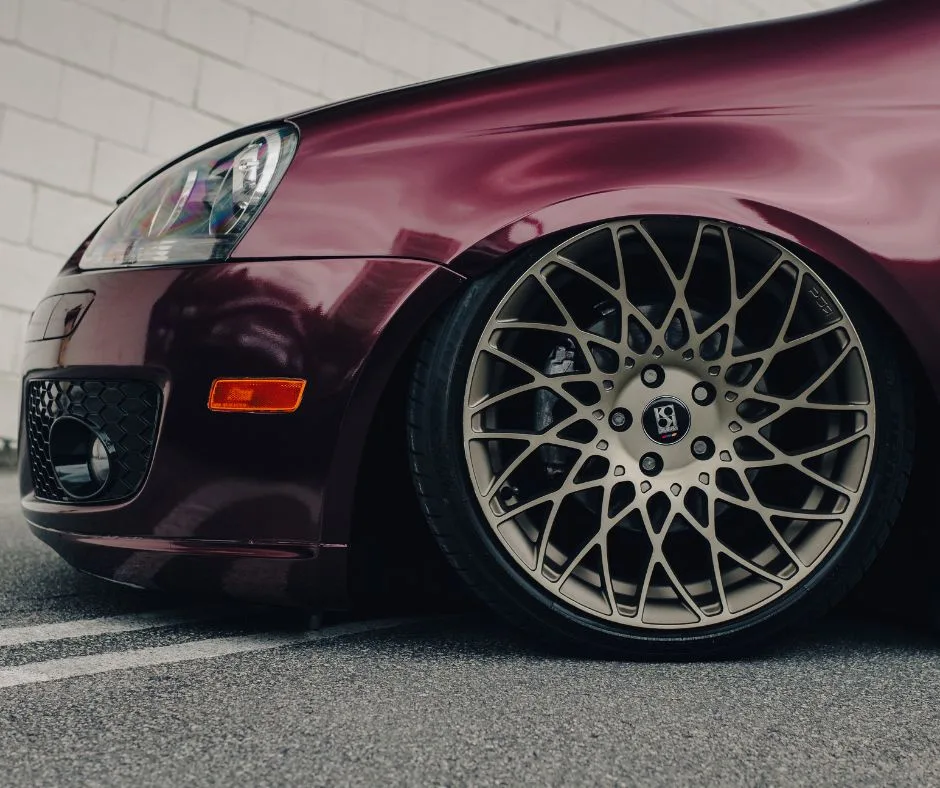
A car can sit in a driveway looking almost suspiciously perfect.
The paint shines. The headlights are clear. The wheels look clean. The interior may still smell fresh. From the curb, there may be nothing to suggest that the vehicle is getting close to the end of its useful life.
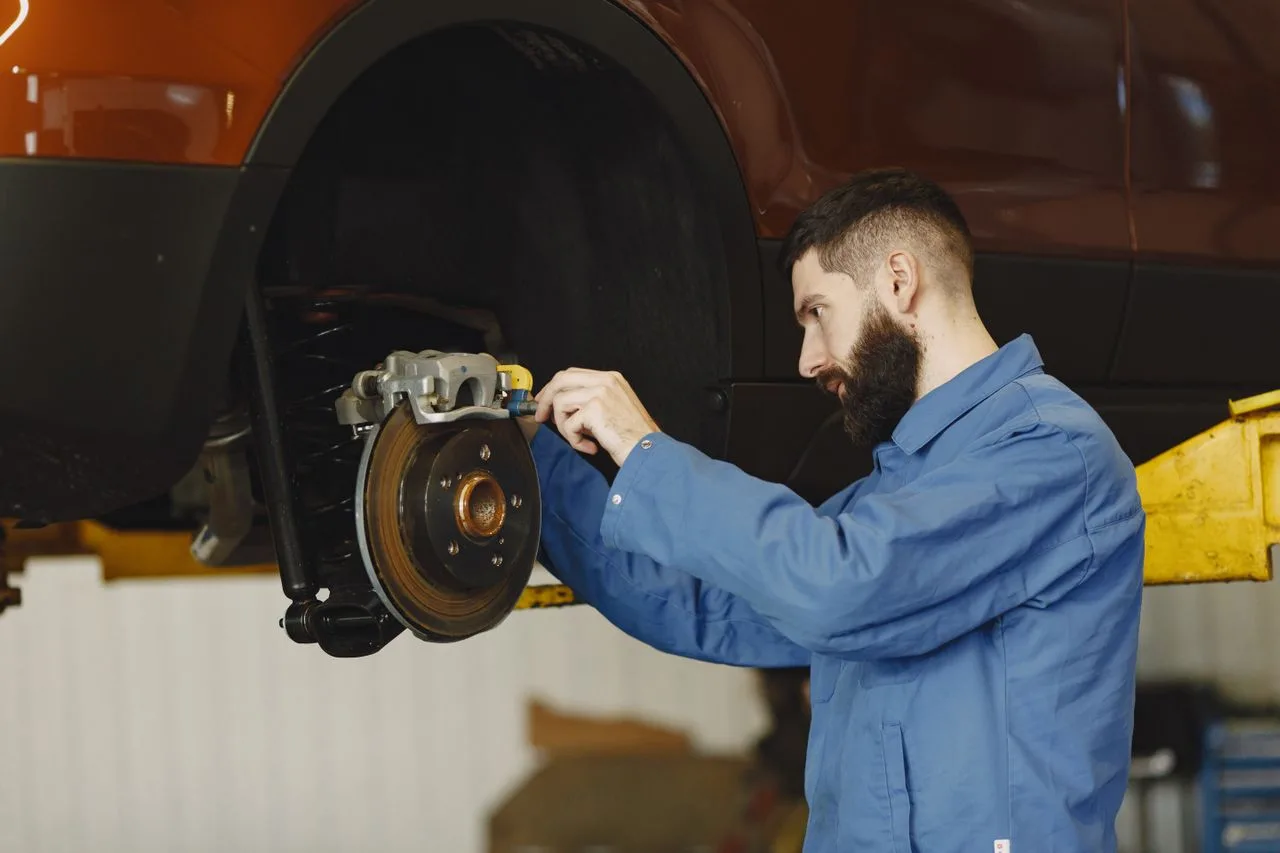
Put that same car on a lift, however, and the story can change dramatically.
You might find corrosion around the subframe, deteriorating brake lines, leaking fluids, cracked suspension bushings, damaged exhaust components, or rust spreading across areas that are far more important than a scratched fender.
So how can a car look nearly new while falling apart underneath?
The answer is simple but easy to overlook: the parts that make a car look good are not necessarily the parts that keep it functioning safely.
Most of the vehicle's critical mechanical and structural components are hidden underneath the body. They spend years exposed to road salt, moisture, heat, vibration, dirt, potholes, and road debris.
That makes the underside one of the most revealing places to inspect an older vehicle.
Why the Exterior Can Be Misleading
A quick walk around a vehicle usually focuses on cosmetic condition.
You look for:
- Paint damage
- Dents
- Scratches
- Rust bubbles
- Cracked lights
- Damaged trim
- Interior wear
These checks are useful, but they only cover the visible portion of the vehicle.
What You Cannot See From the Driveway
Underneath the car are components such as:
- Subframes
- Control arms
- Ball joints
- Brake lines
- Fuel lines
- Exhaust pipes
- Mounting brackets
- Engine mounts
- Transmission mounts
- Steering components
- Floor sections
- Rocker panels
Many of these parts can deteriorate without creating an obvious change in appearance.
A clean hood cannot tell you whether a subframe is corroded.
A polished door cannot tell you whether the brake lines underneath are heavily rusted.
A spotless interior cannot tell you whether the suspension is worn.
That is why appearance should be treated as one piece of evidence, not a complete condition report.
What Happens to a Car Underneath as It Ages?
A vehicle's underside experiences a completely different environment from its painted exterior.
Every time the car is driven, the underside encounters moisture, dirt, gravel, salt, heat, vibration, and impacts.
Road Salt Accelerates Corrosion
Winter driving creates particularly difficult conditions for vehicles in Ontario.
Road salt helps water remain conductive on metal surfaces, which can accelerate electrochemical corrosion.
The problem becomes more complicated because saltwater can reach places that are difficult to wash.
Where Salt Can Collect
Salt and moisture can accumulate around:
- Suspension mounting points
- Brake lines
- Subframes
- Wheel wells
- Exhaust brackets
- Seams
- Fasteners
- Underbody shields
- Rocker panels
A normal exterior wash may remove salt from the doors and hood while leaving deposits underneath.
Repeated exposure over several winters can gradually change a small corrosion problem into substantial metal deterioration.
Freeze-and-Thaw Cycles Add More Stress
Winter deterioration is not caused by salt alone.
Water can enter small gaps and seams. When temperatures fall below freezing, that moisture expands as it freezes.
When temperatures rise again, it thaws.
This repeated cycle can work its way into existing cracks, damaged coatings, and corrosion pits.
The process does not destroy a component overnight.
That is precisely what makes it difficult to notice.
The vehicle may look almost identical year after year while the underlying deterioration continues.
Why Structural Rust Is More Concerning Than Cosmetic Rust
Not every rusty vehicle is structurally compromised.
Surface rust can be relatively minor.
Deep corrosion around structural components is a different situation.
Surface Rust vs. Deep Corrosion
Surface rust generally affects the outermost layer of metal.
It may appear as orange or brown discoloration.
Deep corrosion is more destructive.
As corrosion progresses, metal can become pitted, flaked, thinned, or perforated.
Why Metal Thickness Matters
A structural component is designed with a particular amount of material to withstand loads.
If corrosion removes part of that material, the component may no longer have the same strength it had when new.
This is why looking only at the colour of the rust is not enough.
Two components can both look rusty while having very different levels of deterioration.
The Subframe Deserves Special Attention
The subframe is an excellent example of a hidden component that can matter enormously.
Depending on the vehicle, it can support the engine, transmission, steering system, suspension, or other major assemblies.
A small amount of surface corrosion does not automatically make a subframe dangerous.
The concern increases when rust affects:
- Mounting points
- Welded sections
- Load-bearing areas
- Suspension attachment points
- Structural cross-members
This type of deterioration requires an actual inspection.
It cannot reliably be diagnosed by looking through the wheel arch.
Brake Components Can Deteriorate Without Obvious Symptoms
Brakes are another system where hidden deterioration matters.
Why Brake Lines Are Vulnerable
Brake lines commonly run underneath the vehicle.
That puts them directly in the path of water, salt, dirt, and road debris.
Corrosion can develop gradually along the outside of the line.
Why Drivers May Not Notice Immediately
A deteriorating brake line may not produce a warning light.
The brake pedal may initially feel completely normal.
The vehicle may still stop normally.
That does not mean corrosion is harmless.
As deterioration progresses, the integrity of the line can become compromised.
This is why an inspection should consider the entire braking system rather than simply looking through the wheel at the brake pads.
Suspension Problems Can Hide Behind Perfect Bodywork
The suspension is constantly working.
Every pothole and bump sends forces through suspension components.
Every corner changes the loads placed on the wheels.
Every braking event transfers weight through the suspension.
Components That Wear Over Time
Depending on the vehicle, important suspension components include:
- Control arms
- Ball joints
- Bushings
- Struts
- Shock absorbers
- Springs
- Stabilizer links
- Mounting hardware
These components can deteriorate through both mechanical wear and corrosion.
Warning Signs While Driving
A driver may notice:
- Clunking over bumps
- Excessive bouncing
- Steering wandering
- Uneven tire wear
- Vehicle pulling
- Excessive body roll
- Nose-diving under braking
- Vibrations through the steering wheel
The exterior may still look flawless.
The suspension does not care how shiny the paint is.
The Exhaust System Ages Differently From the Body
The exhaust system has one of the harshest jobs underneath the car.
It handles extremely hot exhaust gases while repeatedly heating and cooling.
Why Condensation Matters
When an exhaust system cools, water vapour inside it can condense.
That moisture can contribute to internal corrosion.
Externally, the system is also exposed to road spray and salt.
Common Exhaust Problems
Older exhaust systems can develop:
- Rusted pipes
- Cracked joints
- Damaged mufflers
- Broken hangers
- Loose heat shields
- Corroded flanges
A rattling noise underneath the car may be the first clue.
Again, none of this needs to be visible from the driver's seat.
Fluid Leaks Can Be Hidden From View
A major leak usually gets attention quickly.
A slow leak can be much more deceptive.
Why a Car May Not Leave a Puddle
Fluid can spread across underbody components.
Plastic shields can catch it.
Airflow can move fluid backward while the vehicle is moving.
Some leaks are small enough that fluid evaporates or collects without forming an obvious driveway puddle.
Fluids Worth Investigating
Depending on the vehicle, possible leaks include:
- Engine oil
- Coolant
- Transmission fluid
- Differential fluid
- Brake fluid
- Power-steering fluid
- Fuel
A professional inspection can determine where the fluid actually originates.
Underbody Covers Can Hide More Than People Expect
Many modern vehicles have plastic panels underneath the engine and transmission.
These panels serve useful purposes.
They can improve airflow, reduce drag, and protect components from road debris.
But they also mean that a casual inspection from above may reveal very little.
What Can Be Hidden Behind Them?
Depending on the design, you may find:
- Fluid residue
- Damaged fasteners
- Accumulated dirt
- Corrosion
- Damaged wiring protection
- Evidence of previous repairs
Removing the correct panels during a proper inspection can provide a much clearer picture of the vehicle's condition.
Why Low Mileage Does Not Guarantee a Healthy Car
One of the easiest mistakes to make is assuming that a low odometer reading automatically means low wear.
It does not.
Time Creates Its Own Form of Wear
A vehicle ages even when it is not being driven.
Rubber can harden.
Seals can deteriorate.
Fluids can degrade.
Batteries lose capacity.
Metal can corrode.
Tires can age.
This means an older vehicle with relatively low mileage still deserves a thorough inspection.
Short Trips Can Create Different Problems
A vehicle used almost exclusively for short trips experiences a different operating pattern from one regularly driven for longer distances.
The engine may have less opportunity to remain at normal operating temperature.
The battery may experience repeated starting cycles.
Moisture can accumulate in systems that do not regularly reach sufficient temperatures to drive it off.
So "barely driven" is useful information, but it should never be treated as proof that the car is mechanically healthy.
Engine Mounts and Transmission Mounts Can Wear Quietly
The engine and transmission are not simply sitting inside the vehicle.
They are supported by mounting systems designed to control movement and isolate vibration.
What Happens When Mounts Deteriorate?
Many mounts use rubber or similar vibration-isolating materials.
With age, that material can crack, soften, or separate.
Symptoms Can Include
- Excessive vibration
- Clunking during acceleration
- Movement when shifting
- Harsh engagement
- Increased cabin vibration
The engine bay can look beautifully clean while the mounts underneath are deteriorating.
Floor and Rocker Panel Rust Can Stay Hidden
People often notice rust around wheel arches first.
But corrosion can develop in less obvious areas.
How Moisture Reaches the Floor
Moisture can enter through:
- Damaged seals
- Blocked drains
- Water leaks
- Corrosion
- Road spray
- Damaged underbody coatings
Once moisture remains trapped against metal, corrosion can continue.
Warning Signs Inside the Cabin
Look for:
- Damp carpeting
- Persistent musty smells
- Water under floor mats
- Bubbling metal
- Unusual corrosion
- Wet insulation
The interior may look clean while corrosion is developing beneath it.
Previous Repairs Can Make a Car Look Better Than It Is
A good-looking vehicle is not necessarily an untouched vehicle.
A repaired panel can look excellent.
A previous collision may have resulted in replacement bodywork.
A section of the underbody may have been repaired while nearby original components continued aging.
Why Repair History Matters
Maintenance records can help answer questions that appearance cannot.
For example:
- Has the suspension already been replaced?
- Has the vehicle had major rust repairs?
- Has the cooling system been serviced?
- Has the transmission required work?
- Were structural components repaired after an accident?
The more complete the history, the easier it becomes to understand what the vehicle has already experienced.
How One Hidden Problem Can Lead to Another
Cars are interconnected systems.
A problem rarely exists completely by itself.
Suspension and Tire Wear
A worn suspension or steering component can contribute to abnormal tire wear.
That creates another expense.
Cooling System and Engine Damage
A cooling-system problem that begins as a relatively manageable repair can become much more expensive if severe overheating occurs.
Corrosion and Component Replacement
When corrosion affects fasteners and mounting points, even otherwise straightforward repairs can become more difficult.
Broken or seized hardware can increase labour time and repair complexity.
This is one reason older vehicles with widespread corrosion can become expensive to maintain even when individual components are not particularly expensive.
When Does an Older Car Stop Making Financial Sense?
There is no magic mileage figure or age at which every vehicle becomes uneconomical.
The decision depends on the complete condition.
Look at the Entire Repair Picture
Consider:
- Current repair requirements
- Expected maintenance
- Structural condition
- Engine condition
- Transmission condition
- Rust severity
- Vehicle market value
- Parts availability
- Safety-related repairs
A $700 repair on a structurally sound vehicle may be straightforward.
Several $700 repairs on a severely deteriorated vehicle tell a very different story.
The Important Question
Instead of asking only:
"How much will this repair cost?"
Ask:
"What condition is the rest of the vehicle in?"
That question can reveal whether the current repair is an isolated expense or one item in a growing list.
When Vehicle Removal Becomes an Option
Eventually, some vehicles reach a point where continued repairs no longer make practical sense for their owner.
The car may be severely rusted, damaged, non-running, or simply too expensive to restore.
What Happens to an Unwanted Vehicle?
Instead of leaving it parked indefinitely, an owner may investigate vehicle removal and recycling options.
A junk car removal Etobicoke service can be an option for owners dealing with unwanted or non-running vehicles, depending on the provider's acceptance requirements.
The exact process can vary.
Questions to Ask Before Arranging Removal
Ask the provider:
- Is towing included?
- What documents are required?
- Does the vehicle need to be accessible?
- Are non-running vehicles accepted?
- How is the vehicle evaluated?
- What happens to the vehicle after removal?
Getting these details beforehand avoids surprises.
How to Inspect a Car That Looks Too Good to Be True
A spotless older vehicle deserves the same mechanical scrutiny as a rough-looking one.
Start With the Underside
Look for serious corrosion, damaged components, fluid residue, and broken mounting points.
Listen During a Road Test
Pay attention to:
- Clunks
- Humming
- Grinding
- Vibrations
- Exhaust rattles
- Steering noises
Examine the Tires
Uneven wear can provide clues about suspension, alignment, steering, or tire problems.
Check the Maintenance Records
Look beyond oil changes.
Brake work, suspension repairs, cooling-system service, rust repairs, transmission work, and major component replacements can tell you much more about the vehicle's history.
Why the Underside Often Tells the Real Story
A car's exterior is the part designed to impress you.
The underside is where the vehicle spends years fighting the environment.
It deals with salt.
It deals with water.
It deals with potholes.
It deals with road debris.
It deals with heat cycles, vibration, and constant mechanical stress.
That is why a car can have excellent paint while having poor structural condition.
It can have a clean interior while leaking underneath.
It can have low mileage while suffering from age-related deterioration.
It can look expensive while becoming increasingly expensive to keep.
The Most Important Lesson
Do not judge an older vehicle entirely by what you can see while standing beside it.
Look underneath.
Listen to it.
Check its history.
Understand how it was driven.
Consider where it spent its winters.
And pay attention to several small problems appearing at the same time.
A Beautiful Exterior Is Not a Mechanical Inspection
The next time a ten-year-old car looks almost impossibly clean, there is nothing wrong with appreciating the appearance.
Just remember that the most important parts of the vehicle may be hiding underneath.
The paint tells you what the car looks like. The underside often tells you what the car has been through.