Every business owner wants the same thing.
More leads.
More inquiries.
More phone calls.
More customers.
That's why companies spend thousands of dollars on advertising, search engine optimization, social media campaigns, and lead generation tools.
But here's an uncomfortable question.
What happens after a lead enters the system?
Many businesses don't have a clear answer.
A customer fills out a contact form.
An inquiry arrives through the website.
A potential client requests a callback.
And then something unexpected happens.
Nothing.
The lead sits inside a CRM while employees focus on other priorities.
A follow-up call gets postponed.
An email remains unanswered.
An appointment request gets buried under dozens of other tasks.
Eventually, the customer loses interest and moves on.
Most businesses blame their marketing strategy when sales begin to slow down.
They assume they need more traffic, a bigger advertising budget, or a more aggressive sales campaign.
But the real problem often starts much earlier.
The conversation never happens.
The Hidden Cost of Slow Follow-Up
A delayed response doesn't just affect customer satisfaction.
It affects revenue.
Think about how many times these situations happen every day.
A salesperson promises to call a prospect back but forgets.
A customer support representative spends half the day answering the same questions.
A lead generation team manually follows up with hundreds of potential customers.
A call center receives more inquiries than its staff can handle.
Individually, these problems may seem small.
Collectively, they create a significant gap between marketing efforts and actual sales.
Businesses are becoming better at attracting customers.
Many still struggle to engage with them consistently.
The Shift From Lead Generation to Lead Management
For years, companies focused almost entirely on acquiring new customers.
Generate more traffic.
Launch more campaigns.
Increase the advertising budget.
Expand the sales team.
Those strategies still matter.
However, customer expectations have changed.
People expect faster responses.
They expect businesses to be available outside traditional working hours.
They expect information to be available immediately.
When customers don't receive a timely response, they rarely wait.
They simply move to a competitor.
That's why many organizations are starting to rethink their entire communication process.
Instead of asking, "How can we generate more leads?"
They're asking, "How can we respond to every lead more effectively?"
Those are two very different questions.
Why Voice AI Is Receiving So Much Attention
The rise of voice AI isn't happening because businesses suddenly became interested in artificial intelligence.
It's happening because companies are searching for practical solutions.
Businesses don't care how many models, workflows, or algorithms power a system.
They care about results.
Can it reduce response time?
Can it improve customer engagement?
Can it increase conversions?
Can it save employees time?
That's where voice AI becomes valuable.
The technology can support conversations that traditionally required significant human effort.
For example:
Lead Qualification
Not every inquiry turns into a customer.
Sales teams spend countless hours identifying which leads are genuinely interested.
AI can help gather information, qualify prospects, and prioritize opportunities before a salesperson becomes involved.
AI Outbound Calling
Follow-up is one of the biggest challenges in sales.
Many opportunities are lost because businesses simply don't reconnect with potential customers.
AI-powered outbound calling can help ensure that no lead is forgotten.
Appointment Scheduling
Scheduling seems simple until employees spend several hours every week managing calendars, confirming availability, and sending reminders.
Automation can remove much of that administrative work.
Customer Support Automation
Support teams often answer the same questions repeatedly.
Business hours.
Product availability.
Order status.
Payment information.
Instead of requiring employees to answer every routine question, AI can provide immediate responses while allowing human agents to focus on more complex situations.
Call Center Automation
Call centers handle thousands of conversations every day.
Reducing repetitive interactions can improve efficiency without sacrificing service quality.
AI Should Support People, Not Replace Them
One of the biggest misconceptions surrounding AI is that businesses want to replace employees.
I don't think that's entirely true.
Customers still want to speak with real people.
Some situations require empathy.
Others require experience.
And some conversations simply can't be automated.
Imagine a customer calling to discuss an insurance claim, a financial concern, or an urgent issue.
Technology can assist in these situations, but human judgment still matters.
The goal shouldn't be complete automation.
The goal should be better communication.
If repetitive tasks can be handled automatically, employees can spend more time building relationships and solving meaningful problems.
That creates a better experience for both customers and businesses.
The Businesses That Adapt Faster Will Have an Advantage
The companies that succeed over the next few years won't necessarily be the ones with the largest advertising budgets.
They'll be the companies that respond faster.
They'll be the companies that maintain consistent communication.
They'll be the companies that combine technology with human expertise.
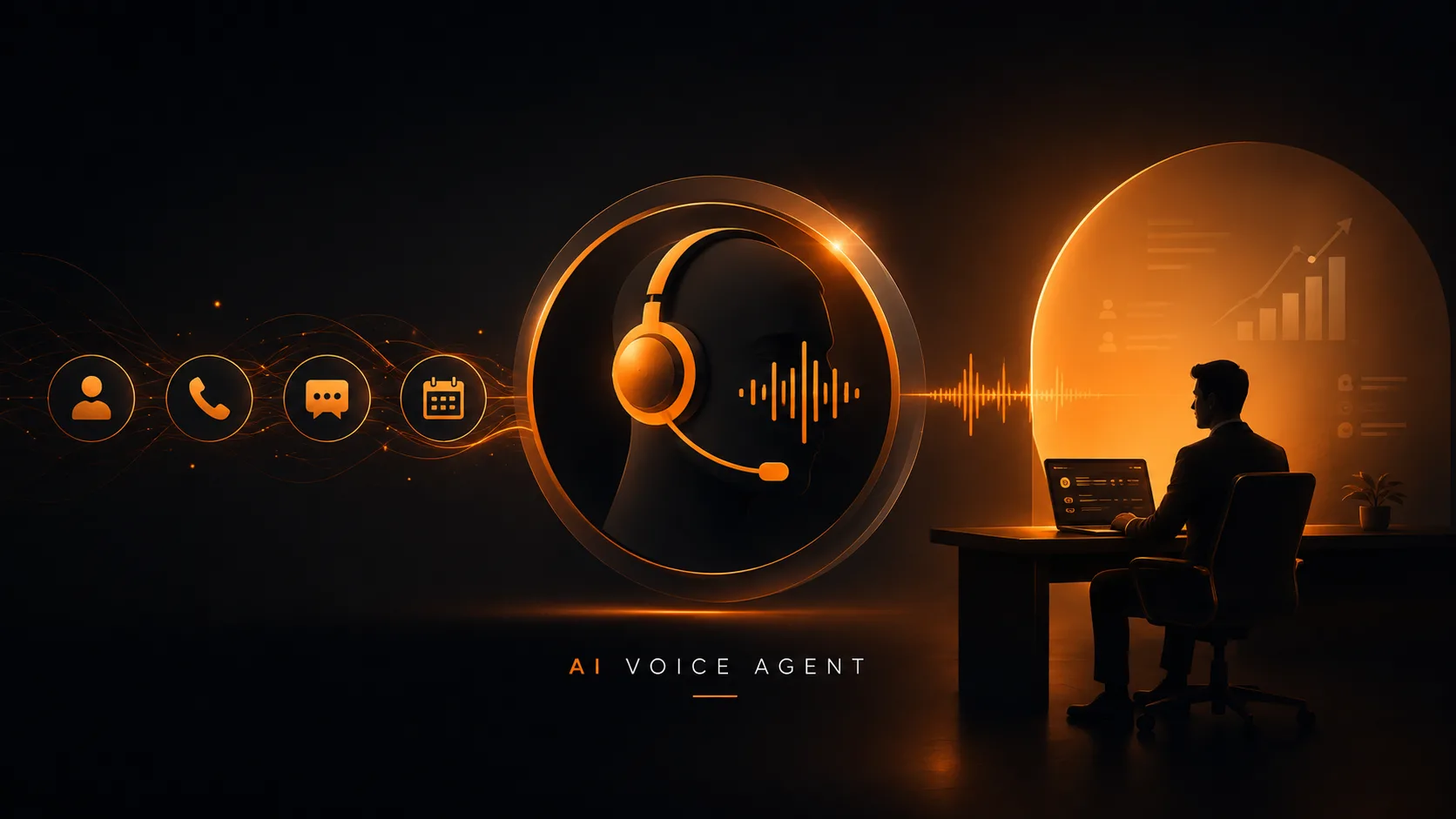
Platforms such as SigmaMind AI are already exploring practical applications for voice AI across industries including insurance, financial services, customer support, lead generation, and call centers.
And this trend will likely continue.
Because the future of business communication isn't just about generating more leads.
It's about creating better conversations.
And sometimes, the most valuable customer isn't the next lead you generate.
It's the one who's still waiting for a callback.