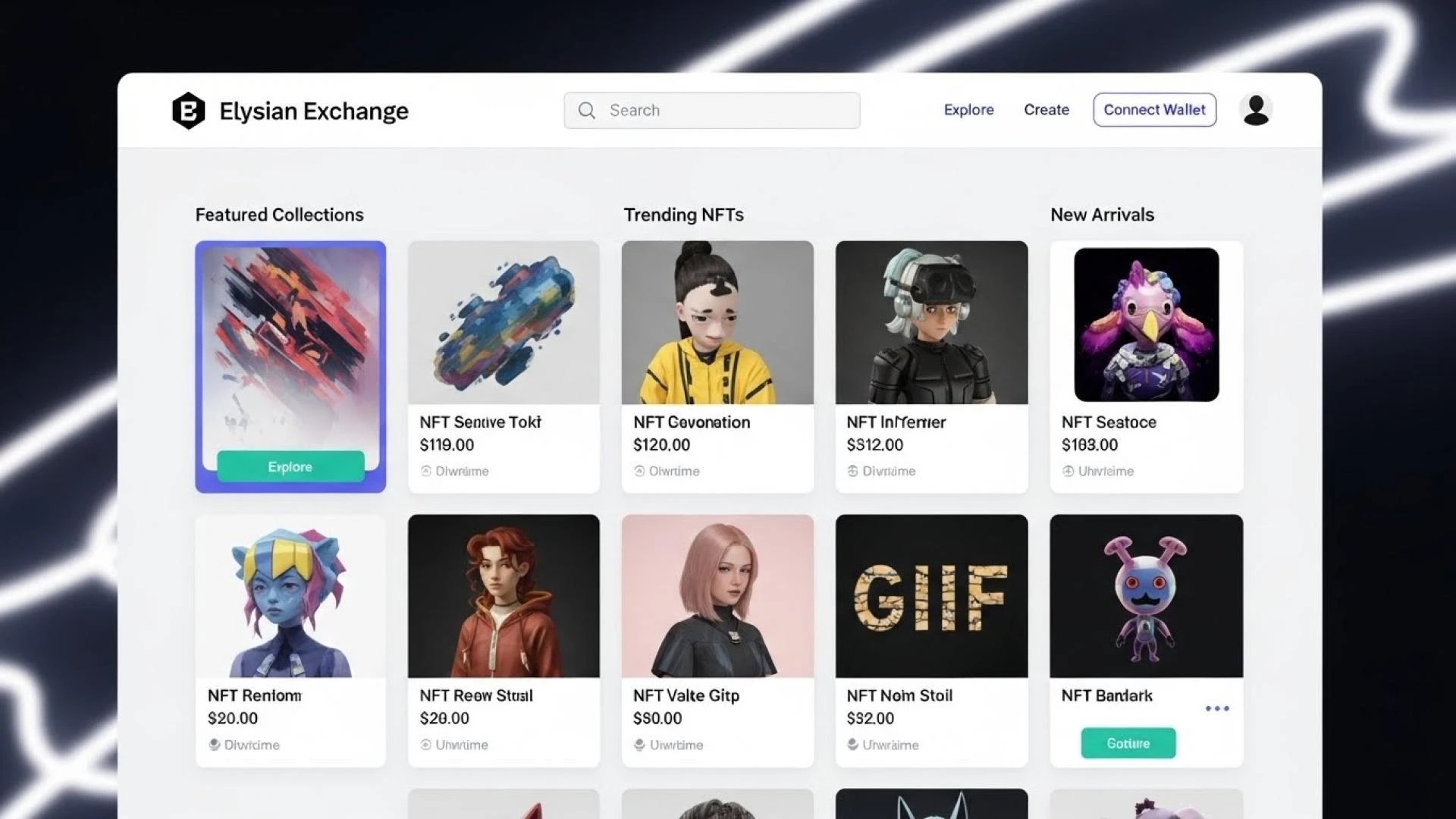
A growing wave of global brands is expanding into digital asset ecosystems as they recognize the value of ownership, community building, and new revenue models. Digital goods such as collectibles, access passes, and tokenized experiences allow companies to deepen audience loyalty and extend their presence into virtual environments. The move away from relying solely on third-party NFT marketplaces has created demand for customizable, brand-controlled platforms. This shift has been strengthened by the expertise of a reliable white label nft marketplace development company, which enables businesses to deploy tailored ecosystems without the long timelines and high costs of building from the ground up.
The Rise of Brand-Owned Digital Asset Ecosystems
The transition toward brand-owned platforms is driven by a desire for autonomy and a more meaningful relationship with customers. Companies want environments where they can design user journeys, introduce curated features, and maintain full control over data, governance, and community engagement. These ecosystems support long-term strategies in digital commerce by ensuring stability and flexibility. They also reduce the dependence on external marketplaces that often impose limitations. By moving to owned platforms, brands can set their own standards, adjust features according to community needs, and preserve their identity across every interaction.
- Complete platform ownership strengthens strategic control: Companies gain the independence to design, update, and expand their marketplace on their own terms. This prevents reliance on unpredictable policy changes or fees imposed by third-party platforms and keeps strategic decisions entirely internal.
- A self-governed ecosystem protects brand identity: Businesses maintain consistent visual styles, messaging, and user interactions. The entire experience reflects the brand’s personality, allowing smoother community engagement without external distractions.
- First-party data becomes more accessible and actionable: Through direct ownership, brands can analyze user behavior, track conversion patterns, understand engagement metrics, and utilize insights to refine future digital asset strategies.
- Long-term planning becomes easier to execute: Brands can design multi-stage releases, structured loyalty programs, and evolving utilities without being limited by external rules, allowing for scalable and sustainable growth.
Why White Label NFT Platforms Are the Preferred Choice
White-label platforms offer a practical alternative to building a marketplace from scratch. They eliminate the extensive development cycle while still providing customization and scalability. Businesses that want to act quickly and reduce costs find this model particularly valuable. With ready-made foundations, teams can launch production-ready platforms that align with their design preferences, branding, and community features. Partnering with a competent white label NFT marketplace development company ensures that the platform includes the essential technical components while remaining open to creative customization.
- Reduced development time enables faster market entry: A ready-made architecture allows brands to move from planning to launch within a shorter timeline, enabling them to remain competitive and capitalize on emerging digital opportunities.
- Customization ensures the platform aligns with brand aesthetics: Businesses can modify interfaces, dashboards, workflows, and even marketplace mechanics to match their preferred style, ensuring a seamless extension of their brand identity.
- Lower operational costs improve overall ROI: Since the core system is already built, companies save significantly on engineering, infrastructure management, and maintenance, making white-label solutions a cost-effective choice.
- Built-in security and compliance simplify operations: Smart contract audits, secure infrastructure, and integrated compliance features provide reliable protection for both the brand and its users.
Supporting the Growth of Creator Economies
Creator economies flourish when individuals and communities can exchange value transparently. White-label platforms offer a controlled environment where creators, fans, and brands can interact directly without intermediaries. This strengthens trust, increases engagement, and opens new revenue paths. A brand-managed space also allows flexible collaboration opportunities and fosters a sustainable digital culture. With ownership over the platform, companies can tailor rewards, community incentives, and content releases to support long-term creator success.
- Creators gain a direct relationship with their audience: They operate in a transparent setting where asset ownership, royalties, and communication flow without interference, giving them greater control over monetization.
- Brands can establish sustainable reward loops: Digital passes, community badges, and evolving utilities keep users engaged through continuous value, improving loyalty and participation.
- Co-creation opportunities increase platform activity: Businesses can partner with artists and influencers to launch unique drops, strengthening engagement and expanding reach organically.
- New monetization paths open for both creators and brands: Royalties, limited editions, membership tokens, and exclusive events create revenue structures that go beyond traditional product offerings.
Expanding Brand Loyalty Through Tokenized Experiences
Tokenized experiences transform how brands connect with their customers. Unlike conventional loyalty systems, NFTs offer meaningful, tradeable, and traceable proof of participation. Brands can design benefits, unlockables, and privileges tied to ownership, turning digital assets into gateways for community engagement. This approach fosters deeper interactions and encourages customers to remain part of the ecosystem over the long term. With ownership-based access, users feel valued and invested in the brand’s evolution.
- NFTs can act as unlockable utilities for premium experiences: These tokens can grant access to exclusive events, limited products, early releases, private communities, or members-only perks that heighten customer excitement.
- Token-based loyalty models encourage repeat engagement: Dynamic rewards tied to ownership motivate customers to stay active, participate in brand activities, and increase their involvement over time.
- Gamified elements increase user participation: Brands can introduce challenges, achievements, and milestone-based releases that enhance the overall experience and encourage ongoing interaction.
- Tiered benefits support customer segmentation: From newcomers to premium supporters, different groups can receive tailored rewards, making the ecosystem feel personalized and inclusive.
Driving Revenue Diversification Through Digital Assets
Digital assets unlock multiple revenue pathways that complement existing business models. Brands can launch collectible series, membership tokens, gamified experiences, and premium access drops, each contributing to a more diverse income structure. A controlled platform ensures that these revenue channels remain within the brand’s environment, maximizing lifetime value. Companies can also experiment with hybrid models that connect digital assets to physical products, expanding customer interest and spending potential.
- Initial drops create strong launch momentum: Exclusive releases attract immediate attention, generating substantial early revenue while energizing the community with shared excitement.
- Secondary market activity enhances recurring earnings: Through royalties, brands continue to earn from asset resales, creating a sustainable stream of ongoing revenue.
- Subscription-based utilities increase predictable income: Membership tokens or access passes provide consistent revenue while offering users ongoing perks that justify long-term participation.
- Cross-product integration boosts customer spending: Brands can link NFTs to physical items, event access, or service packages, creating diverse value propositions for customers.
Ensuring Security and Scalability with Blockchain Infrastructure
A secure and scalable foundation is essential when managing digital ownership and user transactions. White-label platforms come equipped with robust security layers, efficient smart contract structures, and infrastructure designed to support growing user communities. Brands benefit from reliable performance even during high-traffic events, such as major drops or seasonal campaigns. With the help of a trusted white label nft marketplace development company, businesses can ensure smooth operations with strong protection against vulnerabilities.
- Smart contract auditing protects the platform from risks: Rigorous verification prevents unauthorized activity, ensuring that assets remain trustworthy and secure.
- Scalability supports expanding transaction volumes.
- As user participation grows, the platform must handle large numbers of purchases, mints, and interactions without disruption.
- On-chain and off-chain data management improve efficiency.
- This balanced architecture maintains speed, reliability, and low operational costs, enhancing overall platform performance.
- Compliance-ready frameworks ensure legal safety.
- Integrated KYC modules, transaction monitoring, and region-specific compliance tools simplify operational responsibilities for the brand.
How White Label Platforms Empower Long-Term Brand Innovation
Long-term innovation is crucial for companies that want to remain competitive in digital markets. White-label platforms provide a foundation that is flexible, adaptable, and prepared for emerging technologies. Brands can introduce new utilities, integrate metaverse applications, expand into tokenized memberships, or explore digital experiences without rebuilding their infrastructure. This adaptability ensures that the platform continues to evolve with customer expectations and industry trends.
- Modular architectures allow continuous feature expansion: Brands can add functions such as augmented reality utilities, virtual showrooms, or advanced trading mechanics as their ecosystem grows.
- Future technology integrations become easier to adopt: Whether it is metaverse compatibility or cross-chain support, a flexible system allows smooth upgrades that keep the brand at the forefront of innovation.
- Community-driven feedback shapes platform evolution: User insights help refine features, guide new releases, and ensure the marketplace stays relevant to its audience.
- A dependable white label nft marketplace development company supports long-term adaptability: Consistent technical support enables brands to experiment, evolve, and expand their ecosystem with confidence.
Conclusion
White-label NFT platforms have become an essential asset for brands pursuing long-term growth in digital commerce. By offering control, custom features, expanded monetization, and secure infrastructure, these platforms enable companies to build thriving creator economies. Businesses can cultivate dedicated communities, strengthen loyalty through tokenized experiences, and benefit from diversified revenue models. With reliable support from an experienced white label NFT marketplace development company, brands gain the tools and flexibility needed to build sustainable, innovative, and engaging digital ecosystems that strengthen their presence in an increasingly connected world.