

Digital marketing has evolved far beyond maintaining a website or posting occasionally on social media. Today, businesses interact with customers across search engines, social platforms, email, websites, advertisements and multiple digital touchpoints.
Because these channels influence one another, businesses need a connected approach rather than treating every marketing activity as an isolated task.
The Shift Towards Integrated Digital Marketing
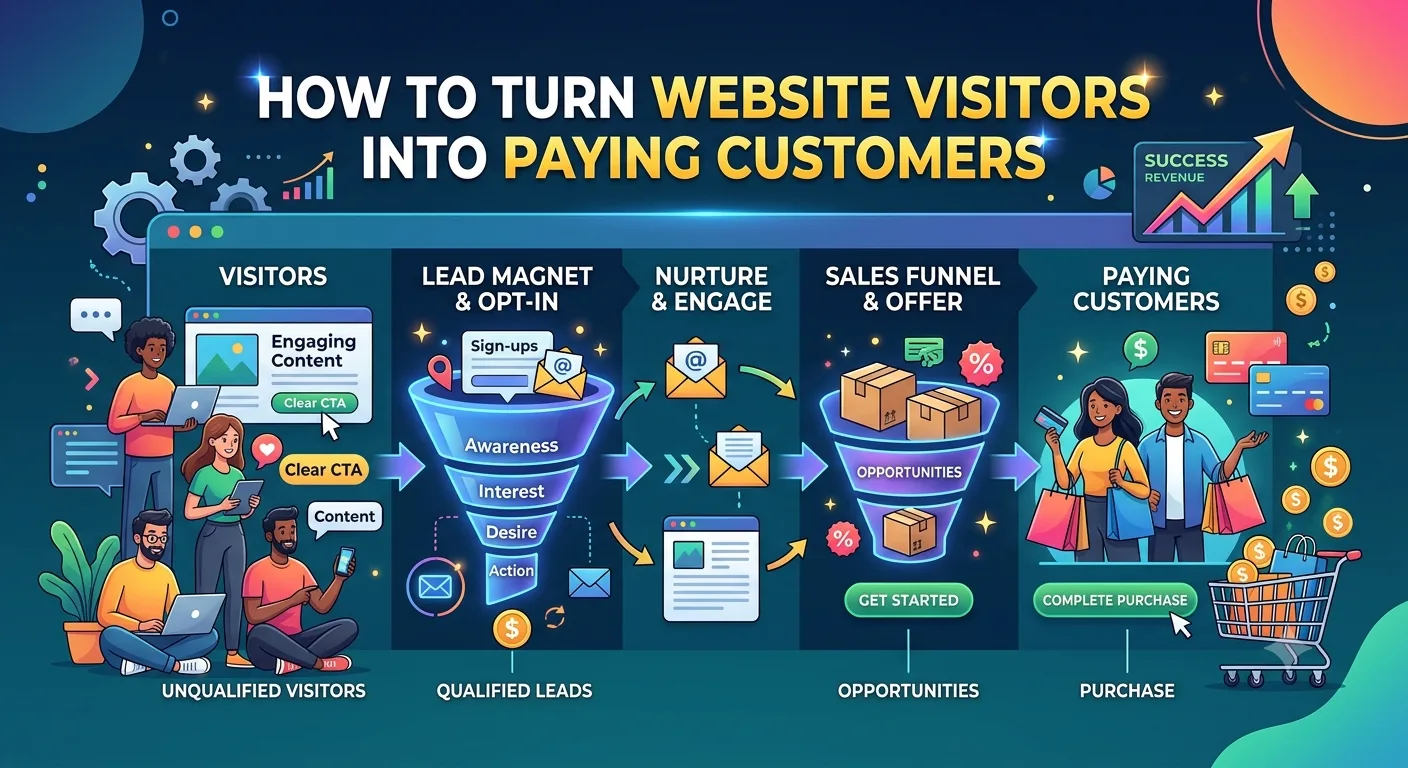
A potential customer may first discover a business through a Google search, visit its website, see its content on LinkedIn or Instagram and later respond to an email or advertisement.
Each interaction contributes to how the customer understands the brand.
This is why businesses increasingly look at digital marketing as a connected ecosystem involving:
- Search engine optimisation
- Social media marketing
- Performance marketing
- Content marketing
- Email marketing
- Website design and development
- Branding and creative communication
Working with a digital marketing agency in Bangalore can help businesses coordinate these activities around common marketing and business objectives rather than managing each channel independently.
Search Visibility Creates Opportunities for Discovery
Search remains an important channel for customers actively looking for products, services or solutions.
SEO focuses on making relevant website pages easier for search engines and users to discover. This generally involves keyword research, content optimisation, technical improvements, internal linking and building topical relevance over time.
However, attracting visitors is only one part of the process.
The website itself must provide useful information and guide visitors towards a logical next step.
Website Experience Supports Marketing Performance
A website often becomes the central destination for digital campaigns.
Whether visitors arrive through organic search, paid advertisements, social media or email campaigns, their experience on the website can influence whether they continue exploring the business.
Important considerations include:
- Clear navigation
- Mobile responsiveness
- Page loading performance
- Relevant service information
- Consistent visual communication
- Simple enquiry pathways
Website development and marketing therefore work more effectively when they are planned together.
Content Helps Businesses Build Relevance
Useful content allows businesses to address the questions customers ask during different stages of their decision-making process.
Depending on the audience and industry, this may include:
- Educational blog articles
- Service pages
- Industry insights
- Case studies
- Social media content
- Videos
- Email communication
Rather than publishing content simply to maintain activity, businesses can map topics to customer interests, search behaviour and commercial priorities.
This creates a stronger connection between content creation and business objectives.
Social Media Builds Consistent Brand Touchpoints
Social platforms allow brands to communicate regularly with audiences beyond their websites.
The most appropriate content depends on the business and audience, but social media can be used to communicate expertise, company developments, educational information, industry perspectives and brand stories.
Consistency is especially important.
Visual identity, messaging and positioning should remain recognisable across the website, social media and other marketing communication.
Performance Marketing Supports Targeted Reach
Paid media can help businesses reach specific audiences based on factors such as search intent, interests, demographics or professional profiles.
However, campaign performance does not depend only on targeting or advertising budgets.
Landing-page relevance, ad messaging, creative quality and conversion pathways also contribute to results.
An integrated approach therefore connects advertising decisions with website, content and creative strategy.
Email Marketing Creates Continued Engagement
Email provides businesses with another way to maintain communication with prospects and existing customers.
Instead of sending the same message to an entire database, campaigns can be organised based on audience segments, interests or stages of engagement.
Campaign metrics such as deliveries, opens, clicks and responses can also provide useful information for refining future communication.
Creative and Branding Hold the Experience Together
Customers encounter businesses through different formats and platforms. A consistent visual and communication system makes these interactions feel connected.
Branding can influence elements such as:
- Visual identity
- Typography
- Colour usage
- Campaign creatives
- Website design
- Social media communication
- Marketing collateral
This consistency helps customers recognise the business regardless of where the interaction occurs.
Connecting Marketing Activities With Business Objectives
The effectiveness of digital marketing improves when activities are connected to measurable objectives.
For example, a business looking to generate qualified enquiries could align SEO content with high-intent searches, develop relevant landing pages, use targeted advertising to reach suitable audiences and nurture interested prospects through email.
Instead of evaluating every channel separately, businesses can examine how each activity contributes to the overall customer journey.
Agencies such as Adze Studio work across digital marketing, creative communication and web-related activities, allowing businesses to approach these areas as connected parts of their marketing ecosystem.
Final Thoughts
Digital marketing is becoming increasingly interconnected.
Search visibility can bring audiences to a website, content can answer their questions, social media can maintain engagement, advertising can expand targeted reach and email can continue the conversation.
The objective is not simply to be present across more digital channels. It is to ensure that the channels being used support one another and contribute towards clearly defined business goals.
For businesses planning their next phase of digital growth, developing this connected approach can provide a more structured foundation for ongoing marketing activities.