The manufacturing and logistics industries are experiencing a major transformation driven by automation. As businesses across the USA seek greater efficiency and productivity, robotic material handling systems are becoming an essential part of daily operations. Technologies such as Autonomous Mobile Robots and Automatic Guided Vehicles are helping companies streamline workflows, reduce operational costs, and improve workplace safety.
Leading Automatic Guided Vehicle Manufacturers are developing intelligent solutions that allow businesses to automate repetitive transportation tasks with greater precision and reliability. These advanced systems are helping organizations adapt to growing market demands while maintaining consistent operational performance.
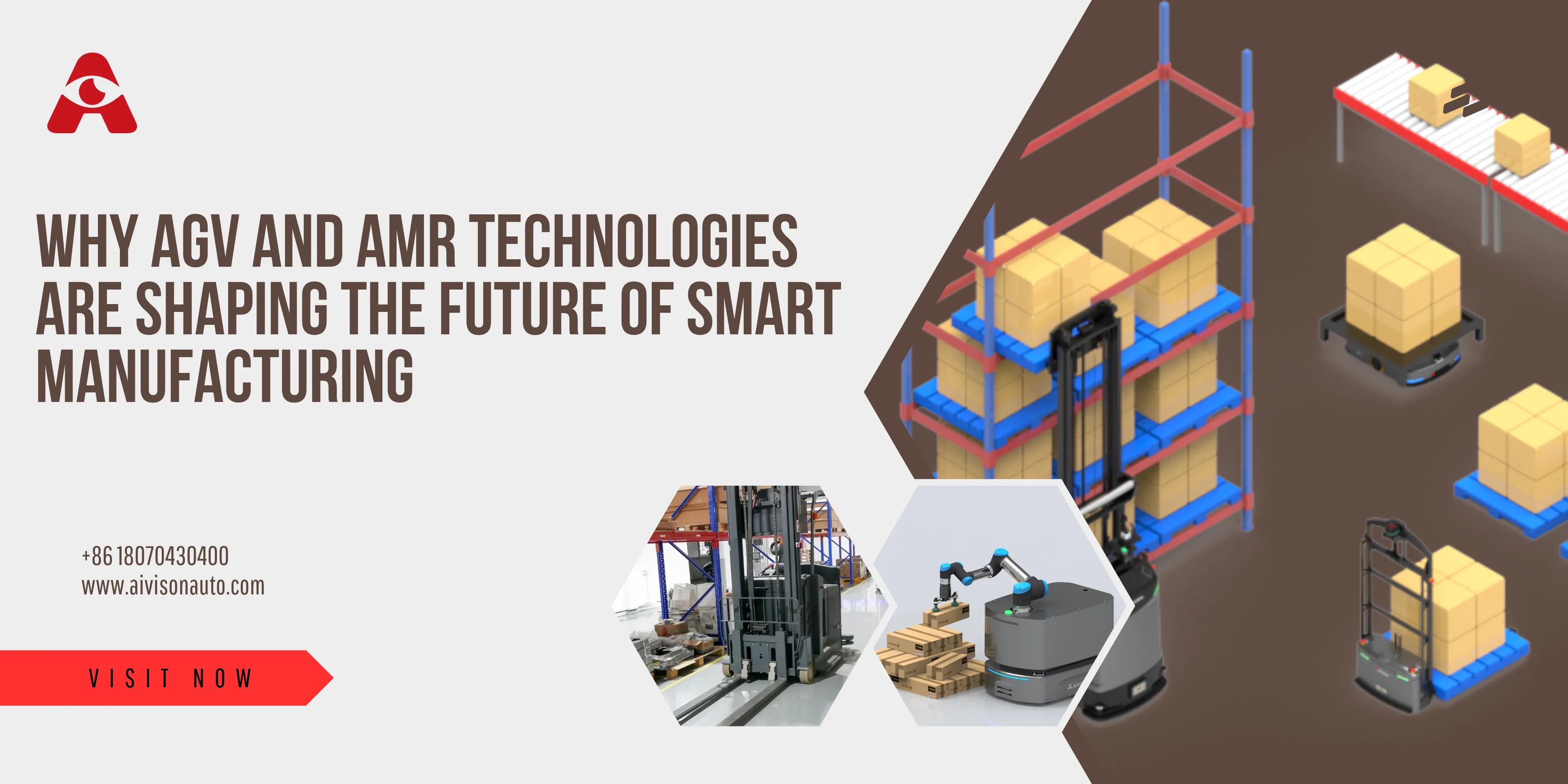
Automatic Guided Vehicles are designed to move materials automatically throughout warehouses, production facilities, and distribution centers. Using navigation technologies and sensors, AGV systems follow designated routes to transport products efficiently without manual intervention. These solutions are widely used in industries including automotive manufacturing, electronics, pharmaceuticals, healthcare, and e-commerce.
An AGV Robot provides several advantages for companies seeking to improve material handling processes. By automating repetitive tasks, businesses can reduce labor-intensive operations and minimize the risk of workplace injuries. AGVs also contribute to better inventory accuracy, improved workflow consistency, and reduced product damage during transportation.
As technology advances, many organizations are adopting Autonomous Mobile Robots to achieve even greater flexibility. Unlike traditional systems that rely on fixed routes, AMRs use intelligent navigation and real-time mapping to move freely through dynamic environments. This capability enables robots to avoid obstacles, adapt to changing conditions, and safely operate alongside employees. As a result, AMRs are particularly valuable in fast-moving warehouses and manufacturing facilities where operational demands constantly change.
The increasing popularity of AMR technology in the USA reflects the growing need for smarter and more scalable automation solutions. Businesses are facing labor shortages, rising operational costs, and increased customer expectations. Autonomous robotics help address these challenges by providing consistent performance while allowing organizations to expand their automation capabilities as their operations grow.
One of the most significant benefits of robotic automation is improved efficiency. Automated systems can operate continuously with high accuracy, helping businesses increased throughput and maintain production schedules. In addition, robotic solutions help optimize floor space and create more organized workflows throughout facilities.
Safety is another important factor driving the adoption of AGV and AMR systems.
Material transportation often involves heavy loads and repetitive movements that can create risks for employees. Automated vehicles reduce these hazards by performing tasks with precision and reliability, contributing to safer work environments.
Modern industries are increasingly focused on building smart factories and intelligent supply chains. Robotics plays a vital role in achieving these goals by connecting automation with advanced software, data analysis, and real-time monitoring capabilities. These innovations enable companies to make faster decisions and improve overall operational performance.
AIVISON provides advanced automation solutions designed to support the evolving needs of modern industries. Through innovative robotic technologies, businesses can improve material handling efficiency and prepare for the future of intelligent manufacturing. Learn more about their solutions at AIVISON.
As automation continues to expand across the USA, Autonomous Mobile Robots and Automatic Guided Vehicles will remain essential tools for companies seeking long-term growth and competitive advantages. Investing in intelligent robotic systems today can help businesses create safer, more productive, and more efficient operations for the future.