
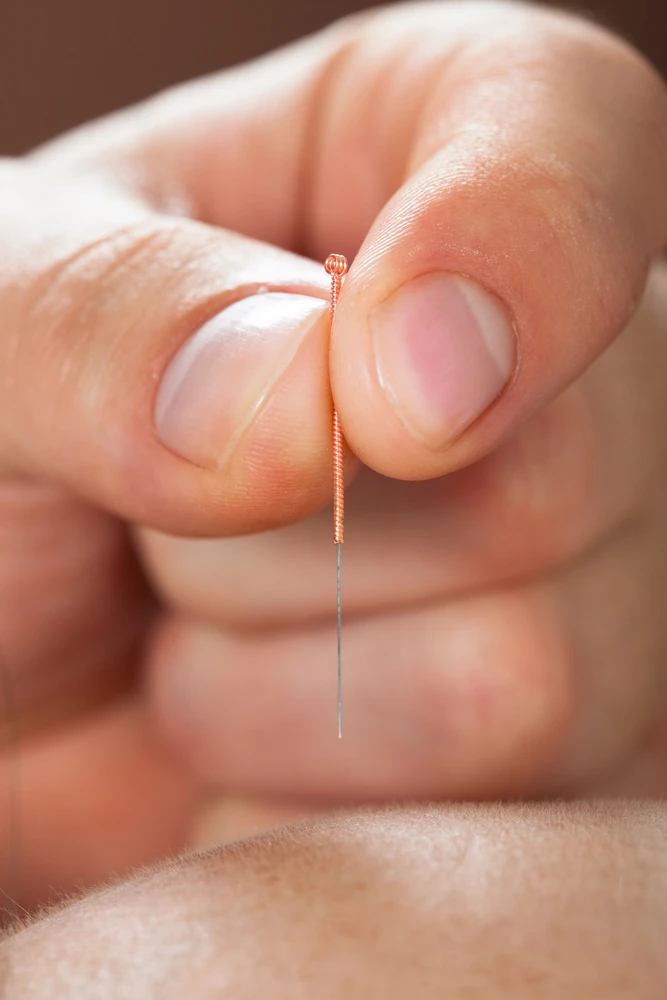
Modern lifestyles place significant strain on the neck and shoulders, especially for individuals dealing with chronic stress. Long hours at desks, emotional tension, and poor posture often contribute to tight muscles and inflammation in the neck area. Acupuncture in south Edmonton has emerged as an effective, natural approach to relieving stress-related neck inflammation by addressing both the physical tension and the underlying stress responses within the body.
Understanding the Link Between Stress and Neck Inflammation
Stress does not only affect mental well-being; it has a direct physical impact on the body. When stress levels rise, muscles tend to tighten as part of the body’s natural response. Over time, this constant tension restricts blood flow, irritates soft tissues, and leads to inflammation in the neck and upper back. If left unaddressed, these conditions can become chronic, limiting mobility and causing persistent discomfort.
How Acupuncture Addresses Stress at Its Source
Acupuncture works by stimulating specific points on the body that regulate the nervous system. These points help shift the body from a constant “fight-or-flight” mode into a more relaxed state. By calming the nervous system, acupuncture reduces the muscle tension that contributes to neck inflammation, allowing tissues to relax and recover naturally.
Improving Circulation to Reduce Inflammation
Restricted blood flow is a major factor in inflammation and pain. Acupuncture promotes better circulation by encouraging blood and oxygen to reach affected muscles and connective tissues. Improved circulation helps flush out inflammatory substances while delivering nutrients that support healing, which is essential for reducing swelling and stiffness in the neck.
Muscle Relaxation and Pain Relief
Stress-induced neck pain often comes from tight, knotted muscles that limit movement. Acupuncture helps release these muscle knots by triggering the body’s natural pain-relieving chemicals, such as endorphins. As muscles relax, pressure on nerves decreases, leading to noticeable pain reduction and improved comfort during daily activities.
Supporting Better Neck Mobility
As inflammation subsides and muscle tension eases, patients often experience increased flexibility in the neck. This improved range of motion makes it easier to turn the head, maintain proper posture, and perform routine movements without discomfort. Many individuals seek acupuncture specifically for acupuncture for improved neck movement, as restored mobility plays a key role in preventing recurring strain.
Reducing the Cycle of Stress and Physical Pain
Neck inflammation and stress often reinforce each other. Pain increases stress levels, while stress worsens muscle tension and inflammation. Acupuncture helps break this cycle by addressing both components simultaneously. By reducing physical discomfort and promoting relaxation, patients often experience improved sleep, reduced anxiety, and better overall well-being.
Complementing Healthy Lifestyle Practices
Acupuncture is most effective when combined with supportive habits such as proper ergonomics, stretching, and stress management techniques. Together, these practices help maintain the benefits of treatment and reduce the likelihood of future flare-ups. This holistic approach supports long-term neck health rather than providing only temporary relief.
Long-Term Benefits Beyond Pain Relief
Regular acupuncture sessions can help prevent stress-related neck issues from returning. By keeping muscles relaxed, circulation balanced, and stress responses regulated, acupuncture supports ongoing neck health and overall body balance. Patients often report fewer flare-ups and greater resilience to everyday stressors.
Final Thoughts
Stress-induced neck inflammation can significantly impact comfort, mobility, and quality of life. Acupuncture offers a natural, effective solution by reducing muscle tension, improving circulation, and calming the nervous system. By addressing both stress and inflammation, this therapy supports lasting relief, better neck movement, and improved overall well-being.