
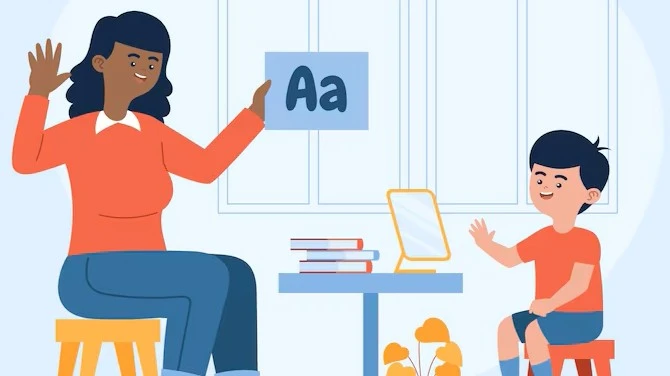
Early childhood education is one of the most powerful investments a parent can make in their child’s future. The years before kindergarten are full of rapid brain development, curiosity, and social growth. During this stage, children are like sponges, absorbing language, numbers, problem-solving skills, and social habits that will shape their academic journey. For many families, finding a qualified Pre-K tutor can make the difference between entering school with confidence and struggling to catch up later on.
This article explores why early tutoring matters, what benefits it brings to children, the qualities of an excellent tutor, and how parents can make the most of this critical stage in their child’s development.
The Importance of Early Learning
Research consistently shows that early learning lays the groundwork for future academic success. Children who enter kindergarten already familiar with letters, sounds, numbers, and social skills are more likely to thrive in the classroom. Conversely, those who start school behind often continue to struggle as the academic demands increase each year.
Early education shapes:
- Cognitive Development: Building memory, attention span, and problem-solving skills.
- Language Skills: Expanding vocabulary and communication abilities.
- Social Growth: Learning how to share, cooperate, and build friendships.
- Emotional Readiness: Gaining confidence, resilience, and curiosity about learning.
While preschools play a role, individualized attention through a Pre-K tutor can bridge gaps and personalize learning in a way group settings cannot.
Why Consider a Pre-K Tutor?
Every child develops at their own pace. Some children pick up letters and numbers quickly, while others need more time and reinforcement. A Pre-K tutor provides personalized guidance tailored to the child’s unique strengths and challenges.
Key reasons parents choose tutoring for their preschoolers:
- School Readiness
- Tutors introduce foundational literacy and math skills, ensuring children are prepared for kindergarten expectations.
- Individualized Attention
- In preschools, teachers often manage large groups. Tutors focus solely on one child, adapting lessons to their learning style.
- Boosting Confidence
- Struggles at an early age can create frustration. A tutor builds confidence by celebrating progress and encouraging curiosity.
- Closing Gaps
- If a child is falling behind peers in speech, early math, or fine motor skills, targeted tutoring ensures they catch up quickly.
- Encouraging Love for Learning
- Positive early experiences with a tutor help children see learning as fun, not stressful.
What Does a Pre-K Tutor Teach?
The goal of a Pre-K tutor is not to overload children with academics but to nurture curiosity and introduce concepts in engaging, age-appropriate ways. A well-rounded tutor may focus on:
- Early Literacy: Letter recognition, phonics, storytelling, and listening skills.
- Math Readiness: Counting, shapes, patterns, and basic problem-solving.
- Fine Motor Skills: Writing letters, coloring, cutting, and hand-eye coordination.
- Language Development: Expanding vocabulary, pronunciation, and sentence formation.
- Social Skills: Learning patience, cooperation, and self-expression.
- Critical Thinking: Simple puzzles, sequencing games, and creative play.
Tutoring sessions often feel more like playtime than formal lessons, which keeps children engaged and excited.
The Long-Term Benefits of Early Tutoring
Parents sometimes wonder if hiring a Pre-K tutor is truly necessary. The answer lies in the long-term benefits that extend well beyond preschool:
- Stronger Academic Performance: Children who start strong often continue to perform well throughout elementary school.
- Improved Attention Span: Tutoring helps children practice focus and structured activities, preparing them for classroom routines.
- Enhanced Communication: Early language support strengthens reading comprehension and writing skills later on.
- Resilience and Confidence: Overcoming challenges early builds a growth mindset for future academic hurdles.
- Parental Peace of Mind: Parents gain reassurance knowing their child is developing at an appropriate pace.
Qualities of an Excellent Pre-K Tutor
Not all tutors are the same, and choosing the right one is essential. When looking for the best support, parents should seek a tutor with:
- Experience with Early Childhood Education – Teaching preschoolers requires specialized skills different from tutoring older students.
- Patience and Compassion – A warm, supportive approach keeps children motivated.
- Creativity in Lessons – Using games, songs, and hands-on activities makes learning enjoyable.
- Strong Communication Skills – Tutors should regularly update parents on progress and strategies for reinforcement at home.
- Flexibility – Children have varying moods and energy levels; a good tutor adapts accordingly.
Trusted providers like Pre-K tutor services combine all these qualities, ensuring a nurturing and effective experience.
How Parents Can Support Tutoring at Home
While a Pre-K tutor plays an important role, parents remain a child’s first teachers. Reinforcing lessons at home ensures consistent progress. Here are some ways parents can contribute:
- Daily Reading Time: Read together for at least 15 minutes a day to foster love for books.
- Play-Based Learning: Use blocks, puzzles, or pretend play to build problem-solving skills.
- Routine Practice: Review letters, shapes, or numbers during daily activities like cooking or shopping.
- Encourage Creativity: Allow time for drawing, singing, or storytelling to enhance imagination.
- Positive Reinforcement: Celebrate effort and curiosity, not just correctness.
When tutors and parents work together, children experience a holistic approach to learning.
Myths About Early Tutoring
Despite its benefits, misconceptions about Pre-K tutoring persist:
- “It’s too early for tutoring.” – Early intervention prevents struggles later and ensures children enter school ready.
- “Tutoring adds pressure.” – When taught playfully, tutoring feels fun and encouraging, not stressful.
- “Only struggling kids need tutors.” – Even advanced learners benefit from enrichment and new challenges.
- “Tutoring replaces preschool.” – A tutor complements preschool, offering individualized reinforcement.
Technology and Pre-K Tutoring
Today’s Pre-K tutor may also use technology to enhance learning. Interactive apps, online games, and digital whiteboards can make lessons dynamic and accessible. However, screen time should be balanced with hands-on, real-world activities that promote social and motor skills.
Blended tutoring—combining in-person sessions with online resources—gives families flexibility while keeping lessons engaging.
Preparing Your Child for Tutoring
For tutoring to be effective, children should feel comfortable and supported. Parents can help by:
- Introducing the tutor as a “learning friend” rather than an instructor.
- Setting up a calm, distraction-free learning space.
- Keeping sessions short and age-appropriate to avoid fatigue.
- Being patient—progress happens gradually at this stage.
Final Thoughts
A child’s earliest years shape their lifelong relationship with learning. By investing in a qualified Pre-K tutor, parents can provide their children with a strong foundation in literacy, math, social skills, and confidence. More importantly, tutoring at this stage nurtures curiosity and joy in learning, which lasts far beyond kindergarten.
Whether your goal is to close small gaps, prepare your child for school, or enrich their natural curiosity, early tutoring offers invaluable support. The investment parents make now pays dividends throughout their child’s entire academic journey.
With the right balance of structured learning, creativity, and encouragement, a Pre-K tutor does more than prepare a child for school—they prepare them for success in life.