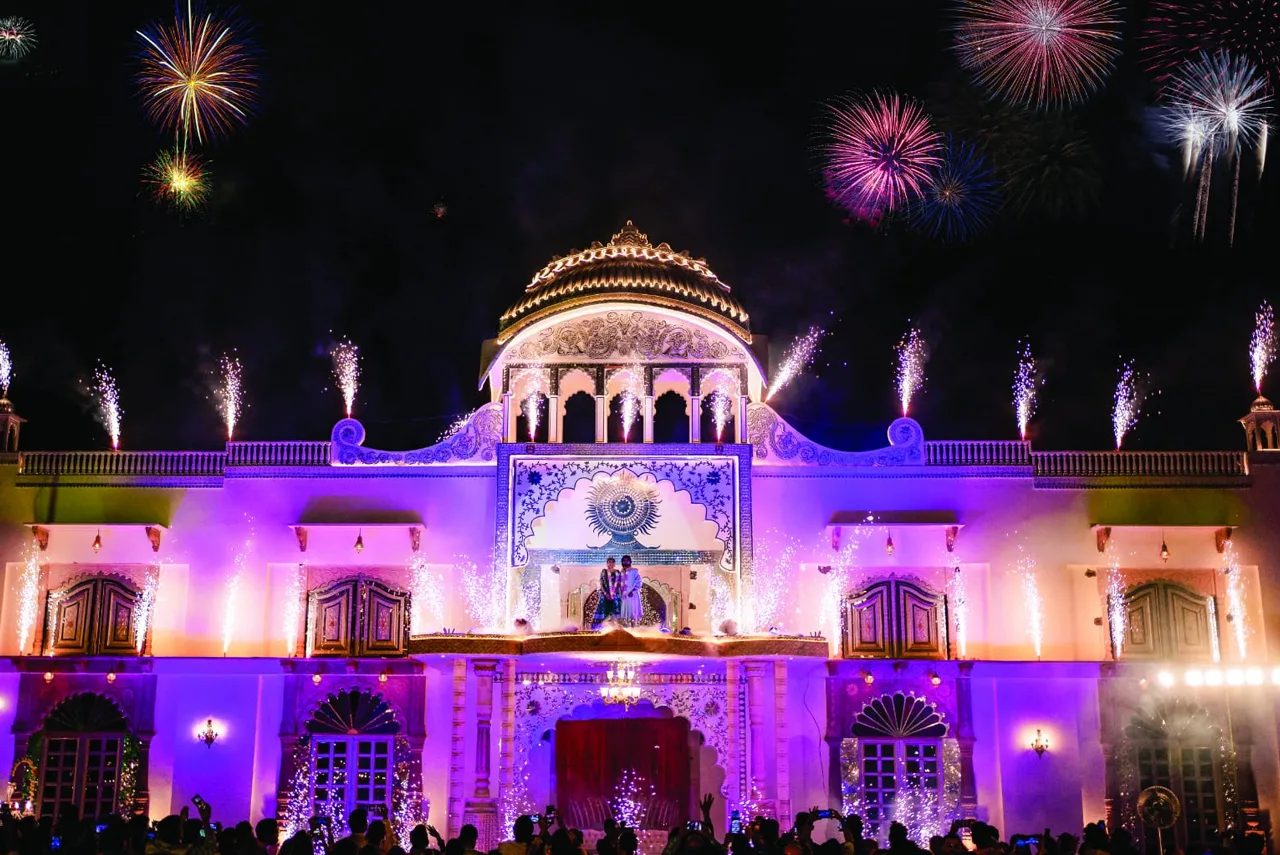
A destination wedding brings together many people, many opinions and many emotional expectations. Parents may care about guest comfort and traditions. The couple may want a celebration that reflects their personality. Siblings may have ideas for music, décor or entertainment. Relatives may have questions about food, rooms and travel.
None of this is a problem by itself. It becomes stressful only when every decision is discussed by everyone at the same time. A clear decision plan helps families protect the joy of wedding planning while making sure important choices are taken at the right time.
For a destination wedding near Jaipur, this is especially useful because the celebration involves more than one function, multiple guest groups and a complete stay experience. A simple structure can make the journey calmer for everyone involved.
Decide What Truly Needs a Family Discussion
Not every wedding decision needs the same level of discussion. The venue, dates, guest count, accommodation plan and overall budget are major decisions that should involve the key family members. These choices shape everything that follows.
Smaller details, such as welcome hampers, playlist options, table styling or individual décor accents, can be assigned to a smaller group. This gives everyone a role without making the couple wait for approval on every point.
The couple can begin by identifying the non-negotiables. They may want all guests to stay together, a particular ceremony style, a relaxed sangeet or an elegant traditional wedding. Once these priorities are clear, decisions become easier to evaluate.
A Destination Wedding Resort in Jaipur can support this process by helping families understand what can be planned within one property and how different functions can be arranged without unnecessary movement.
Create One Small Core Planning Group
A destination wedding does not require twenty people on every call. A small core group is usually enough: the couple, one or two members from each family and a person responsible for communication with the resort or planner.
This group can review major updates, approve timelines and keep track of pending decisions. Other relatives can still be included in meaningful ways, such as helping with guest welcomes, music selections, gifts or family rituals. The difference is that the main planning does not lose direction.
A core group also reduces mixed instructions. When different people give different requests to vendors, confusion can appear quickly. One clear communication channel keeps the planning process more respectful and efficient.
Plan Decisions in the Right Order
One reason destination wedding planning feels overwhelming is that families sometimes begin with the smallest details before the foundations are confirmed. It is better to follow a simple sequence.
First finalise the date range, approximate guest count and event duration. Then discuss rooms, primary function spaces and meal requirements. After that, move toward décor themes, entertainment, photography schedules and personal details.
This order matters because every later choice depends on the earlier ones. A décor concept may change according to the selected venue. A menu plan depends on guest count and function timing. Entertainment arrangements depend on the sangeet schedule.
When planning happens in sequence, couples do not have to redo the same decisions repeatedly.
Give Each Function One Clear Purpose
A multi-day destination wedding becomes more meaningful when each event has a distinct purpose. The haldi may be intimate and family-led. The mehendi can be colourful and relaxed. The sangeet can celebrate friends and performances. The wedding ceremony can remain focused on the rituals, while the reception can be a more formal celebration.
This does not mean every function needs a completely different expensive setup. It means the family should decide what emotional role each event will play. Once that is clear, the décor, food, music and guest experience naturally begin to align.
A thoughtfully planned Luxury Wedding Venue in Jaipur gives families options for creating these distinct moods while still keeping the wedding connected as one celebration.
Keep Guest Communication Simple
Guests do not need a complicated schedule with too many messages. They need clear arrival information, room details, function timings, dress guidance where relevant and a contact person for support.
Families can prepare one simple wedding itinerary and share updates at the right time. This is particularly helpful for guests who are travelling from other cities or attending only selected functions. It also helps elderly relatives and families with children feel more comfortable.
The more organised the guest communication is, the less the immediate family has to answer the same questions repeatedly during the wedding. It allows them to be present in the celebration rather than continuously managing logistics.
Leave Space for the Couple
Couples often spend months planning their wedding and then find themselves occupied with decisions even during the event. A good decision plan should protect time for them to rest, eat, get ready and spend meaningful moments with their closest people.
Assigning clear responsibilities helps. One family member can handle guest arrivals. Another can coordinate with the photographer. Someone else can keep track of ritual timings. The couple should not be expected to solve every small issue themselves.
Hosting the celebration at a 5-Star Resort in Jaipur makes this easier because the stay, dining, function spaces and hospitality are managed within one professional environment. This gives families greater support and allows the couple to experience the wedding as participants, not only as organisers.
Respect Tradition While Making Space for Personal Choices
Many destination weddings bring together different family traditions. Rather than treating this as a challenge, couples can create a celebration that honours both sides. Important rituals can be discussed early so that timing, décor, music and family involvement feel respectful.
At the same time, the couple can include personal choices that make the wedding feel like their own. This may be a particular song, a small welcome note, a relaxed meal with friends or a meaningful moment before the ceremony. These details do not need to compete with tradition. They can sit alongside it beautifully.
A Well-Planned Wedding Feels More Personal, Not Less
Some families worry that planning too carefully will make a wedding feel formal. In reality, clarity creates more room for emotion. When room allocations, function timings, meals and responsibilities are already organised, people are free to enjoy the moments that matter.
A destination wedding becomes memorable not because every detail is extravagant, but because everyone feels included, comfortable and connected. A clear decision plan helps both families move toward that experience with confidence.