A child might have an idea about what they want and still not know how to express it. They might enjoy playing with other children and need help to share toys and take turns. Parents notice these situations during their daily activities. Naturally, they want to know which skills their child can work on first.
This is exactly where in-home ABA therapy in New Mexico can help. The process starts off with understanding the abilities of the child, their daily challenges and the areas where they need support. A BCBA leads the assessment, and parents can easily share their observations. On the other hand, therapists learn about how the child can respond during activities. These small details help the team to set major learning goals. So, the question is: how does the team identify the first skill to focus on?
How Does a BCBA Decide Which Skills Need Attention First?
A child might need support in different areas at the same time. Each area can majorly impact daily life. The BCBA first learns about the child's abilities and identifies where support can make a major difference. This assessment guides the goals for in-home ABA therapy in New Mexico.
Looking Beyond a List of Developmental Skills
A BCBA observes how the child communicates, follows instructions and handles daily situations. These observations help them to identify the strengths of the child and areas which need proper attention.
For example, one child might understand others but struggle to express their needs. Another might communicate easily and need help during the group activities. Their learning priorities will depend on their individual abilities.
The assessment gives the BCBA a clear understanding of where to begin. It even offers a basic idea about selecting useful learning goals.
Understanding Which Skills Make Everyday Life Easier
The BCBA uses the assessment findings to select the goals which can support daily activities. A communication goal might help a child to ask for assistance. A daily living goal might focus on personal care. On the other hand, another child might need support when they deal with social interaction and emotional regulation.
Family routines also help to shape these priorities. A child who struggles during mealtimes might need help to communicate their needs. Another can get proper benefit from practising social skills during play. Parents can easily share these observations and explain which improvements would make daily life easier.
With the help of in-home ABA therapy in New Mexico, these details help to connect learning goals with daily needs. After the BCBA establishes the main priorities, the team should decide how to teach these skills and support the progress of the child.
Who Helps Turn Therapy Decisions Into a Working Plan?
After the BCBA sets the learning goals, the team starts working on them. Everyone has a clear role. The BCBA guides the plan, parents can share knowledge, and therapists can help the child practice new skills. This teamwork can support in-home ABA therapy in New Mexico.
Once the BCBA sets the learning goals, the team starts to work on them. Everyone has a clear role. The BCBA guides the plan, parents can share their knowledge, and therapists can help the child practice new skills. This teamwork supports in-home ABA therapy in New Mexico.
The BCBA Sets the Clinical Direction
The BCBA leads the child's treatment plan. They can review the assessment, set the learning goals and select the suitable teaching methods. They even guide the therapy teams and review the progress of the child.
The Behavior Analyst Certification Board describes BCBA certification as a graduate-level credential in the field of behavior analysis. BCBAs can even supervise professionals who deliver behavior-based interventions.
For example, the BCBA might set a goal to help the child ask for assistance. They guide the therapist on how to teach the skill. Parents can share when the child needs this support at home.
Parents Bring Information That Assessments May Miss
Parents see how their child responds during daily activities. They know which routines feel easy and where you need extra support. These small details help the BCBA to connect therapy goals with daily life.
With the help of in-home ABA therapy in New Mexico, parents can easily share updates and learn about the strategies which are being used during sessions. They can even practice these skills with their child between visits. This is helpful for therapists to understand how the child uses new skills outside of therapy.
Therapists Put the Plan Into Practice
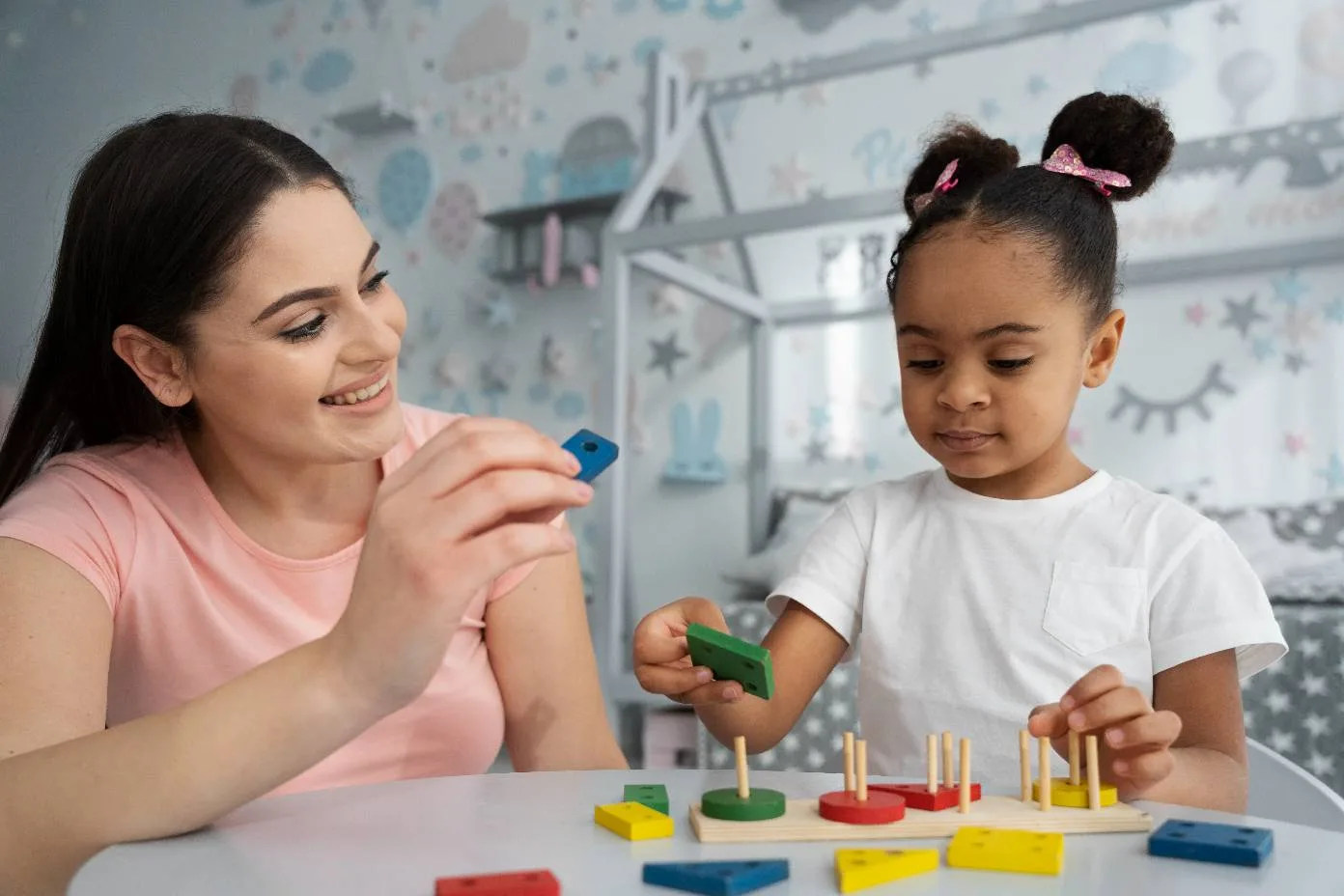
Therapists follow the guidance of the BCBA during the sessions. They use planned activities and help the child practice each and every skill. Moreover, they can even observe the responses of the child.
For example, a child might complete a task with verbal reminders. The therapist records how much support the child needs. After that, they can share these updates with the BCBA.
These updates help the BCBA to understand the progress of the child. They even show which goals need utmost priority. This results in an important question: how does the team decide when a therapy goal needs to change?
How Does the Team Know When a Therapy Goal Needs to Change?
Children learn new skills at different speeds. Regular progress reviews help the BCBA track growth and show which skills need more practice. This is an important part of in-home ABA therapy in New Mexico, as it helps the team decide when to continue, adjust and come up with a new goal.
Progress Needs More Than a First Impression
The team checks how the child uses each skill during therapy. Can the child repeat it? Can they use it during other activities? For example, a child might learn about asking for a favorite toy during the session. The team can then check if they can use the same skill with parents and during playtime. These little observations help the BCBA to have an idea about how the child progresses.
New Information Can Change the Direction of Therapy
The BCBA uses these observations to plan the next steps. A child who has learned one skill might be ready for a new goal. Another child might have to practice a lot. For example, a child who asks for help during play can practice the same skill during mealtimes. The BCBA also reviews the needs of the family when planning the weekly therapy hours. Parent updates can keep the in-home ABA therapy in New Mexico relevant to the daily life of the children.
Building a Therapy Plan Around Real Needs
Each and every new skill can make a major impact in the daily life of a child. Asking for help, expressing needs, and taking turns can open up new opportunities for learning and interaction. With the proper guidance, these small achievements can easily build over time. Each step helps children gain confidence and feel free and willing to be part of daily activities.
SUMMARY
The therapy goals of a child should support the real-life needs. Parents, BCBAs and therapists each play a crucial role in this process. Regular reviews help the team to track the learning and plan new goals. This approach keeps the therapy based on useful skills. Moreover it helps children to become more confident in daily activities.