Introduction
Search for an infrared thermometer and you will find very different devices under the same name. Some are made to measure a person’s temperature, while others are built for hot pans, air-con vents or machinery and are completely unsuitable for checking a fever. This guide explains how infrared thermometers work, which type is right for a baby or the rest of the family, and how to get a reading you can trust.
How an Infrared Thermometer Works
Every object gives off a small amount of infrared energy, and the amount rises with temperature. An infrared thermometer has a sensor that picks up this energy and converts it into a temperature reading. Because it does not need to be placed inside the body, a reading usually takes only a second or two.
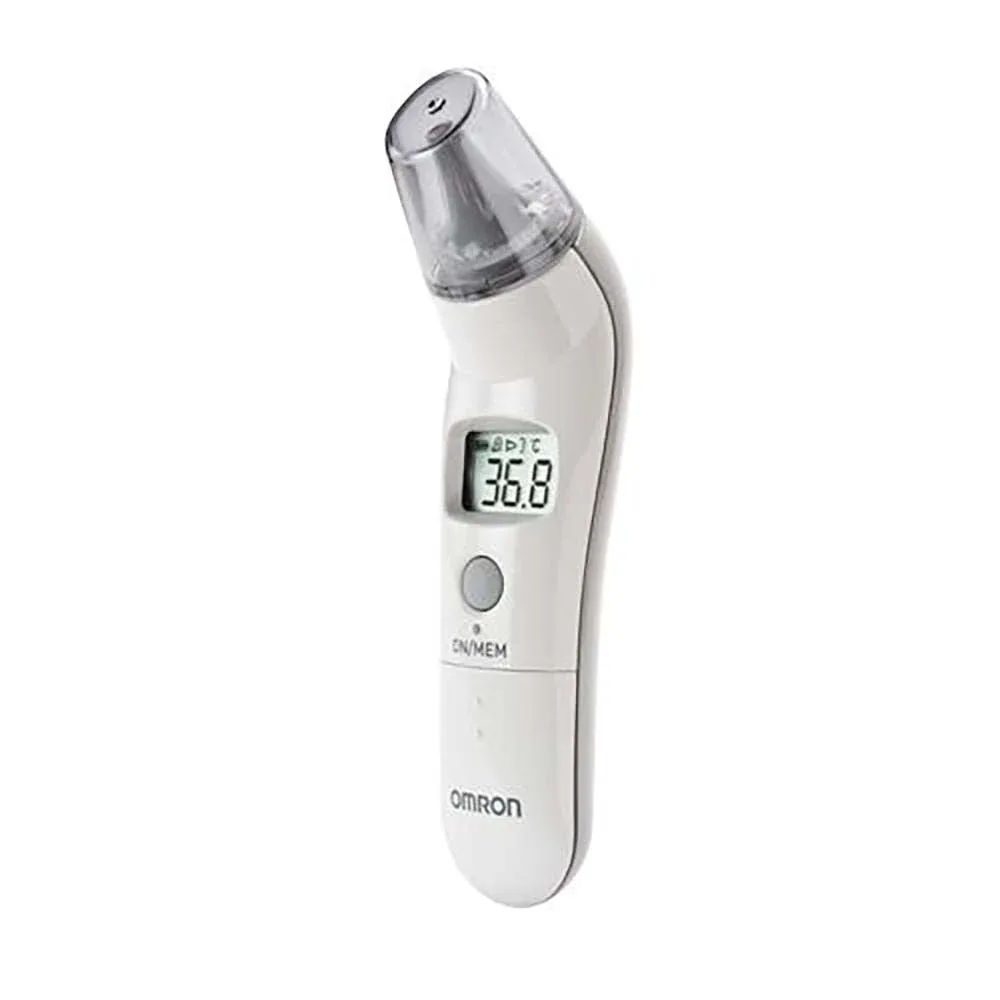
For body temperature, the sensor is aimed at the forehead or placed at the ear. Models designed for body use are calibrated to read human temperatures accurately.
Body Thermometers vs Surface Thermometers
This is the most important distinction. A laser thermometer or surface infrared gun is designed to measure the temperature of objects such as food, equipment or walls. It is calibrated for a very different range and conditions, and it is not intended for diagnosing a fever. A thermometer designed for people is calibrated for body temperature and gives a result you can use when deciding whether to see a doctor.
Check the product description carefully. If it mentions use on people, whether on the forehead or in the ear, it is intended for body temperature. If it mentions cooking, engines or industrial use, it is not.
Choosing a Baby Thermometer
Parents searching for a baby thermometer usually want speed and comfort. A sleeping baby rarely tolerates something being placed in the mouth or ear, so a non-intrusive forehead model is popular for quick checks. A gentle reading means less crying and less stress for everyone.
Look for a few features:
- Fast reading time, since babies do not stay still.
- Quiet operation, which means the beep will not wake a sleeping child.
- Backlit display, handy for night checks.
- Memory of previous readings, useful when tracking a fever through the night.
- Easy to clean tip, as it will be used on several family members.
Browse the range of forehead thermometers to compare how each model works and what it displays.
Getting an Accurate Reading
Most inaccurate readings come from technique and conditions, not from faulty devices. Keep these in mind:
- Let the device adjust to the room temperature before using it, especially if it has been stored somewhere very hot or cold.
- Remove sweat, hair or a hat from the forehead and wait a few minutes before measuring.
- Hold the device at the distance stated in the instructions, and keep it steady.
- Take a second reading if the first seems odd, and note the time.
- Use the same method each time, so readings can be compared.
If a child has just come in from the heat, a hot bath or lots of crying, wait a few minutes before measuring, since all of these can raise skin temperature.
What a Reading Means
A temperature of 38°C or above is generally considered a fever in both children and adults. A baby under three months old with a fever should be seen by a doctor promptly. For older children and adults, watch the pattern of symptoms and speak to a doctor if the fever is high, lasts more than a few days or comes with other worrying signs such as difficulty breathing, a stiff neck, a rash or unusual drowsiness.
A thermometer reading is useful information, but it should be read together with how the person looks and behaves.
Looking After Your Thermometer
Keep the sensor clean by wiping it gently with a soft cloth or an alcohol wipe as the instructions advise, and let it dry before use. Replace batteries when the display weakens, since low power may affect accuracy. Store it in a clean, dry place, away from direct heat. Calibration is carried out by the manufacturer, so if you doubt a reading, compare it with another reliable thermometer or ask where to get the device checked, instead of trying to adjust it yourself.
Where to Buy and What to Check
When you buy a thermometer, check that it is intended for body temperature, that its measurement range and accuracy are stated, and that the listing explains how to use it. A shop such as Omron Healthcare lets you compare forehead and other temperature measurement options in one place, which makes it easier to pick the right one for your household.
Conclusion
An infrared thermometer is only as useful as its suitability for the job. Choose a model made for body temperature, pick a gentle and fast forehead option for babies and use the same careful technique every time. With the right device and a few good habits, a quick check at home becomes a dependable first step when someone feels unwell.